Development and incorporation of hybrid simulation OSCE into in-training examinations to assess multiple CanMEDS competencies in urologic trainees
- PMID: 25737752
- PMCID: PMC4336026
- DOI: 10.5489/cuaj.2366
Development and incorporation of hybrid simulation OSCE into in-training examinations to assess multiple CanMEDS competencies in urologic trainees
Abstract
Introduction: As residency training requirements increasingly emphasize a competency-based approach, novel tools to directly evaluate Canadian Medical Education Directives for Specialists (CanMEDS) competencies must be developed. Incorporating simulation allows residents to demonstrate knowledge and skills in a safe, standardized environment. We describe a novel hybrid simulation station for use in a urology resident in-training Objective Structured Clinical Exam (OSCE) to assess multiple CanMEDS competencies.
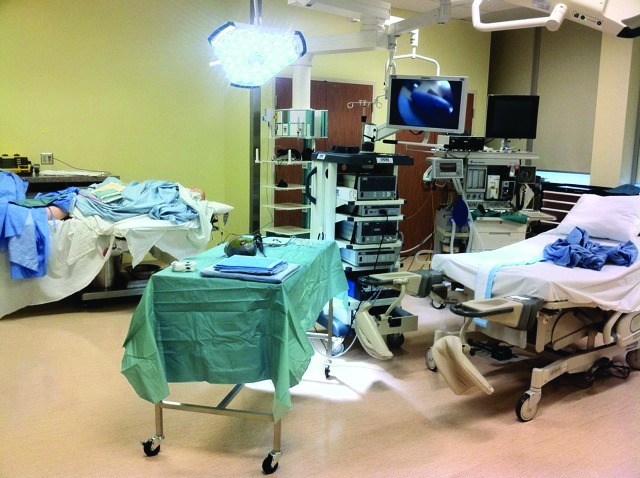
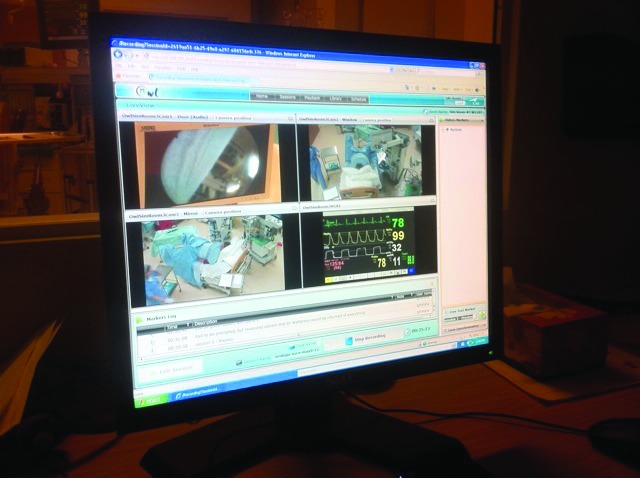
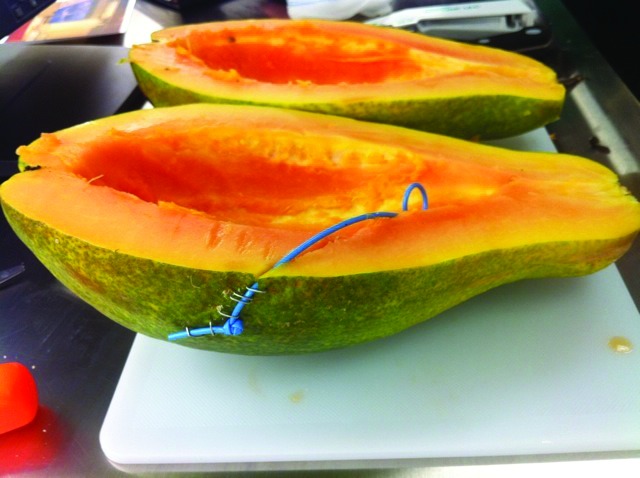
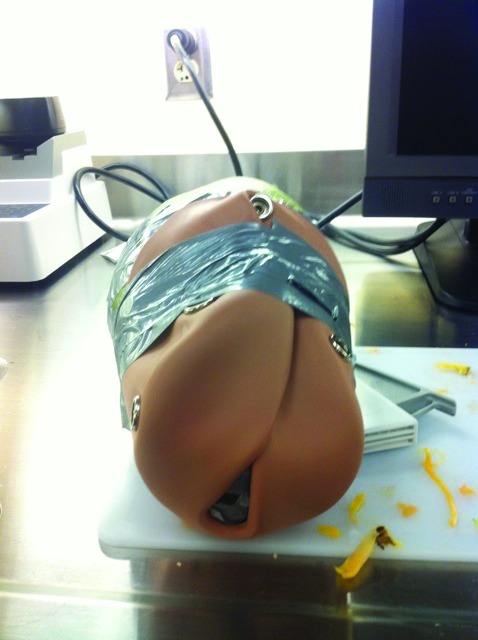
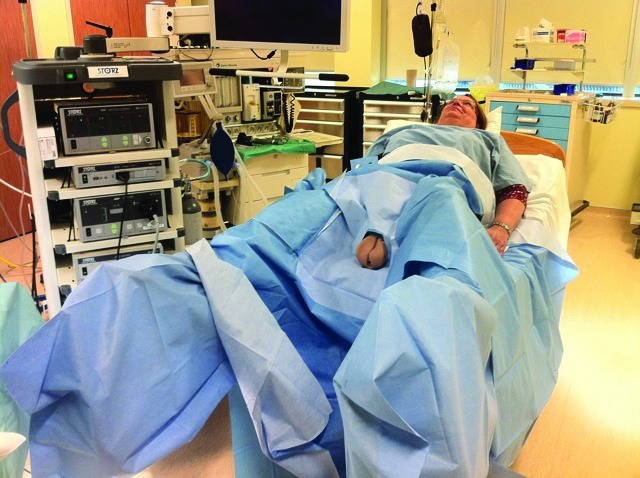
Methods: An OSCE station was developed to assess Communicator, Health Advocate, Manager, and Medical Expert (including technical skills) CanMEDS roles. Residents interviewed a standardized patient, interacted with a nurse, performed flexible cystoscopy and attempted stent removal using a novel bladder/stent model. Communication was assessed using the Calgary-Cambridge Observational Guide, knowledge was assessed using a checklist, and technical skills were assessed using a previously validated global rating scale. Video debriefing allowed residents to review their performance. Face and discriminative validity were assessed, and feasibility was determined through qualitative post-examination interviews and cost analysis.
Results: All 9 residents (postgraduate years [PGY] 3, 4, 5) completed the OSCE in 15 minutes. Communicator and knowledge scores were similar among all PGYs. Scores in technical skills were higher in PGY-5 compared with PGY-3/4 reside nts (mean score 79% vs. 73%). Residents and exam personnel felt the OSCE station allowed for realistic demonstration of competencies. Equipment cost was $218 for the exam station.
Conclusions: We developed and implemented a hybrid simulation-based OSCE station to assess multiple CanMEDS roles. This approach was feasible and cost-effective; it also provided a framework for future development of similar OSCE stations to assess resident competencies across multiple domains.
Figures

References
-
- Frank JR, editor. The CanMEDS 205 physician competency framework: Better standards, better physicians, better care. Ottawa: Royal College of Physicians and Surgeons of Canada; 2005. www.royalcollege.ca/canmeds.
LinkOut - more resources
Full Text Sources
Other Literature Sources
Research Materials