


Isolated anti-hbc and occult HBV infection in dialysis patients
- PMID: 25738121
- PMCID: PMC4330694
- DOI: 10.5812/numonthly.22674
Isolated anti-hbc and occult HBV infection in dialysis patients
Abstract
Background: Occult Hepatitis B virus (HBV) infection (OBI) is defined as the presence of HBV-DNA in the liver or serum with undetectable hepatitis B surface antigen (HBsAg). Hemodialysis (HD) patients are at risk of acquiring parenterally transmitted infections.
Objectives: The aim of this study was to assess the prevalence of OBI in HD patients.
Patients and methods: A hundred HBsAg negative HD patients were included in this study from main dialysis units in Tehran, Iran. HBsAg, hepatitis B surface antibody (anti-HBs), hepatitis B core antibody (anti-HBc) and liver enzymes levels were examined in all subjects. The presence of HBV-DNA was determined in plasma samples using real-time PCR.
Results: A hundredpatients with a mean age of 58.5 ± 16.1 years were enrolled in this study. In total, 56.7% were male and 43.3% female. Anti-HBs, anti-HBc, anti-HCV and anti-HIV were detected in 56.7%, 2%, 5.2% and 1% of patients, respectively. Isolated anti-HBc was detected in 2% of cases. HBV-DNA was detected in 1% of HBsAg negative patients.
Conclusions: This study showed a low rate of isolated anti-HBc and occult HBV infection in HD patients. It can be due to improvement of people's knowledge about HBV transmission routes, HBV vaccination of HD patients and regular surveillance of HBV infection.
Keywords: Hemodialysis; Hepatitis B virus; Infection.
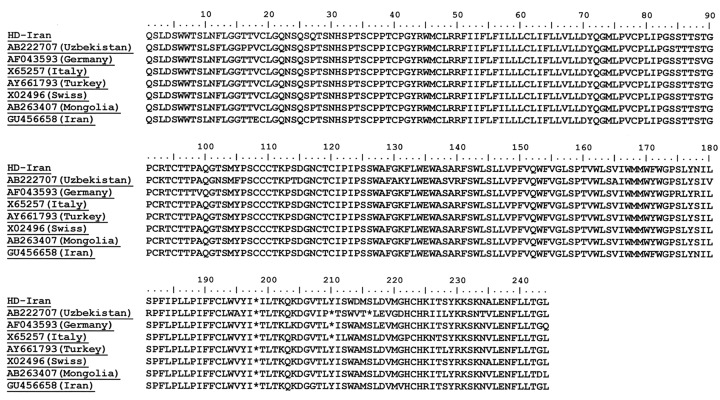
Figures
References
-
- Ozaslan M, Ozaslan E, Barsgan A, Koruk M. Mutations in the S gene region of hepatitis B virus genotype D in Turkish patients. J Genet. 2007;86(3):195–201. - PubMed
LinkOut - more resources
Full Text Sources
Other Literature Sources