


Targeting host-derived glycans on enveloped viruses for antibody-based vaccine design
- PMID: 25747313
- PMCID: PMC4827424
- DOI: 10.1016/j.coviro.2015.02.002
Targeting host-derived glycans on enveloped viruses for antibody-based vaccine design
Abstract
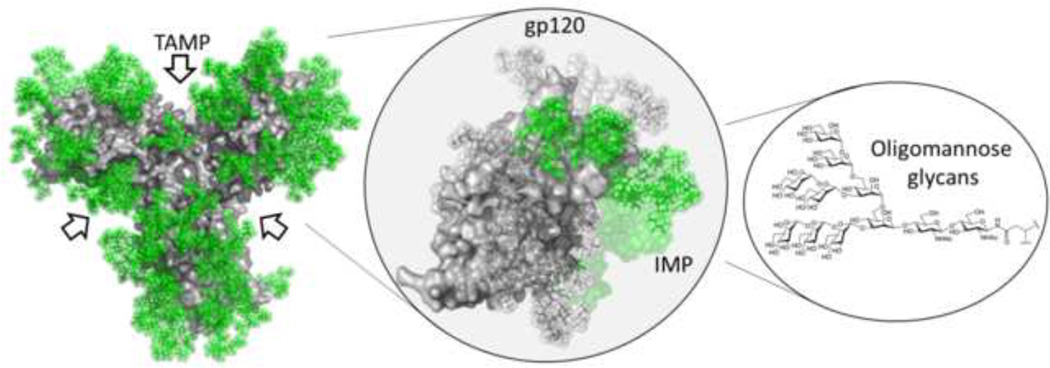
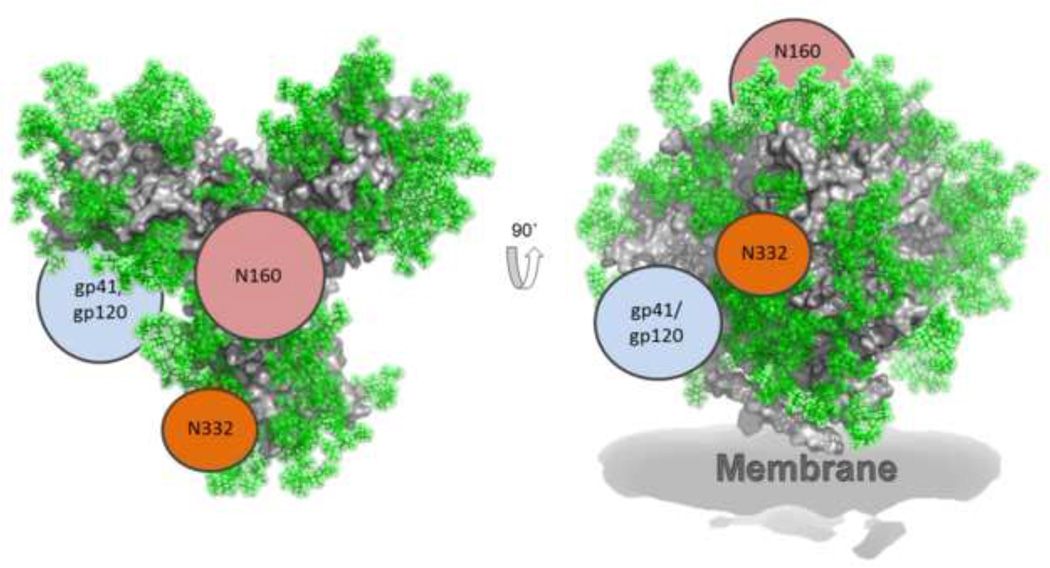
The surface of enveloped viruses can be extensively glycosylated. Unlike the glycans coating pathogens such as bacteria and fungi, glycans on viruses are added and processed by the host-cell during biosynthesis. Glycoproteins are typically subjected to α-mannosidase processing and Golgi-mediated glycosyltransferase extension to form complex-type glycans. In envelope viruses, exceptions to this default pathway are common and lead to the presence of oligomannose-type glycan structures on the virion surface. In one extreme example, HIV-1 utilises a high density of glycans to limit host antibody recognition of protein. However, the high density limits glycan processing and the resulting oligomannose structures can be recognised by broadly neutralising antibodies isolated from HIV-1 infected patients. Here we discuss how divergence from host-cell glycosylation can be targeted for vaccine design.
Copyright © 2015 Elsevier B.V. All rights reserved.
Figures
References
-
- Kornfeld R, Kornfeld S. Assembly of asparagine-linked oligosaccharides. Annu Rev Biochem. 1985;54:631–664. - PubMed
-
- Scanlan CN, Offer J, Zitzmann N, Dwek RA. Exploiting the defensive sugars of hiv-1 for drug and vaccine design. Nature. 2007;446(7139):1038–1045. - PubMed
-
- Rudd PM, Dwek RA. Glycosylation: Heterogeneity and the 3d structure of proteins. Crit Rev Biochem Mol Biol. 1997;32(1):1–100. - PubMed
Publication types
MeSH terms
Substances
Grants and funding
LinkOut - more resources
Full Text Sources
Other Literature Sources
