


Current Status of Surgical Planning for Orthognathic Surgery: Traditional Methods versus 3D Surgical Planning
- PMID: 25750846
- PMCID: PMC4350313
- DOI: 10.1097/GOX.0000000000000184
Current Status of Surgical Planning for Orthognathic Surgery: Traditional Methods versus 3D Surgical Planning
Abstract
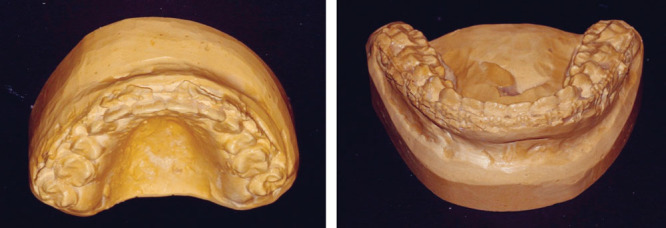
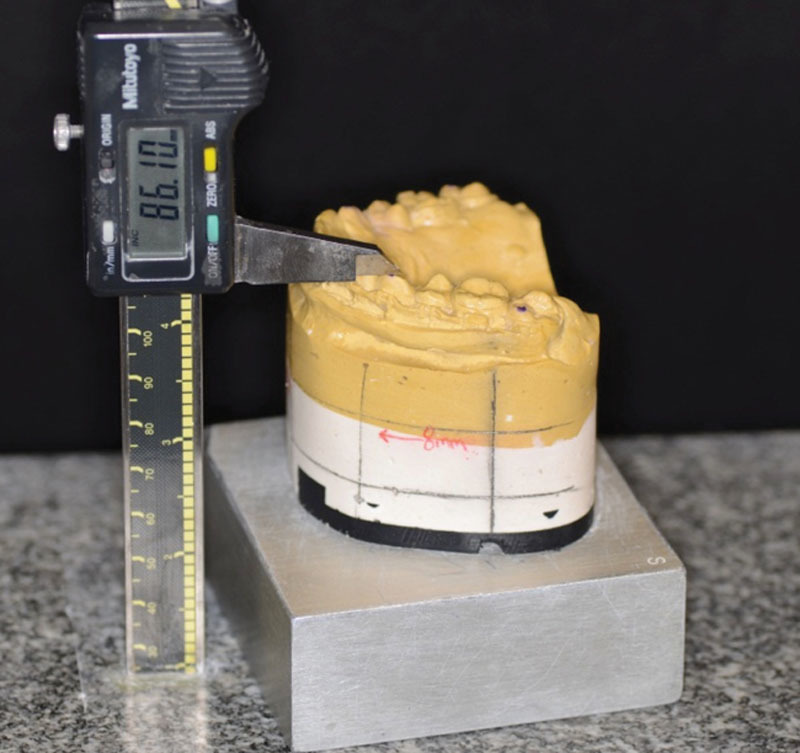
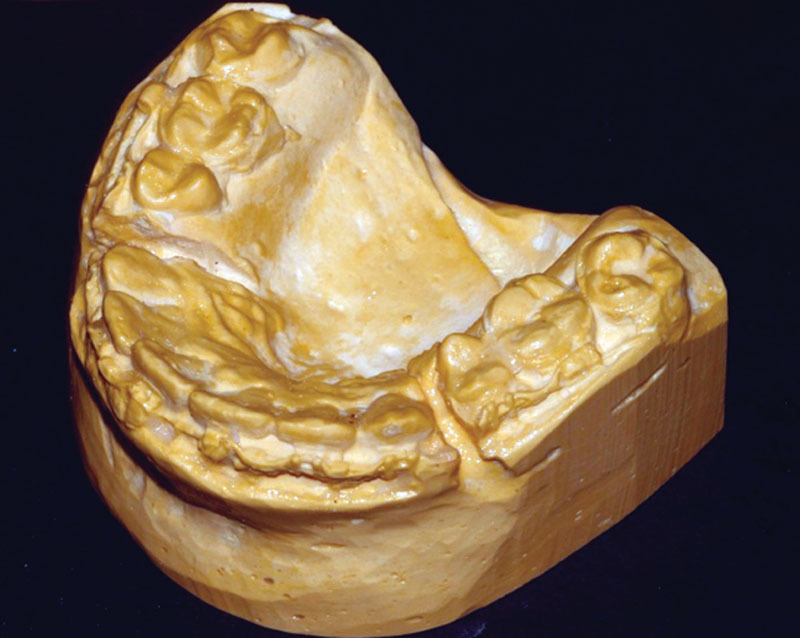
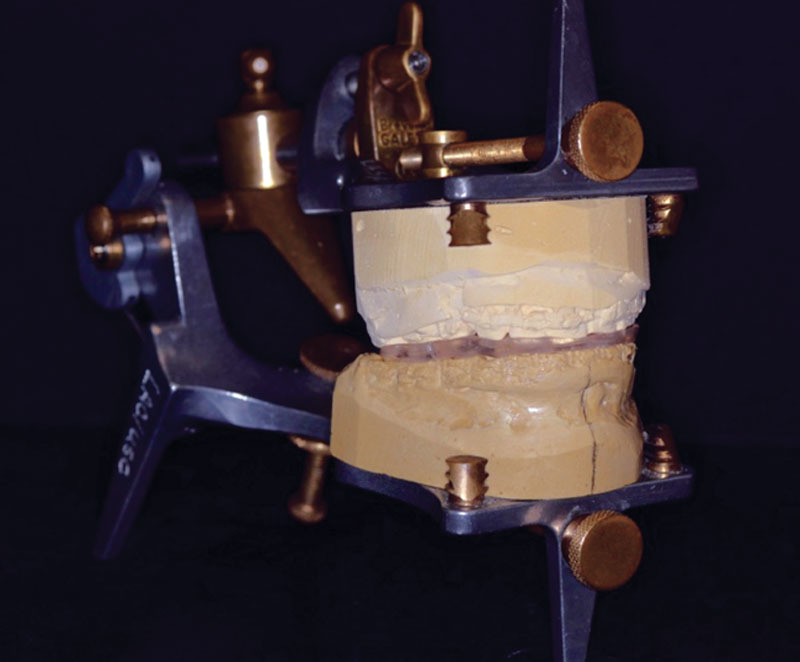
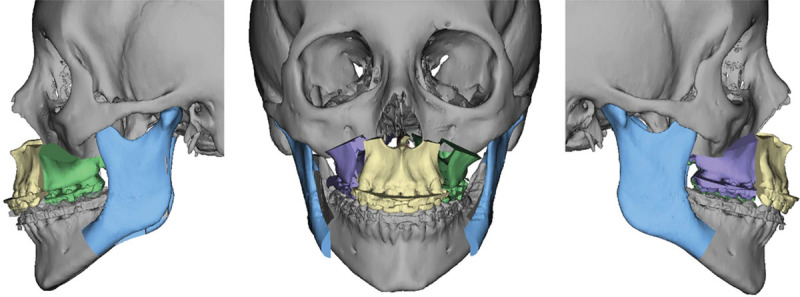
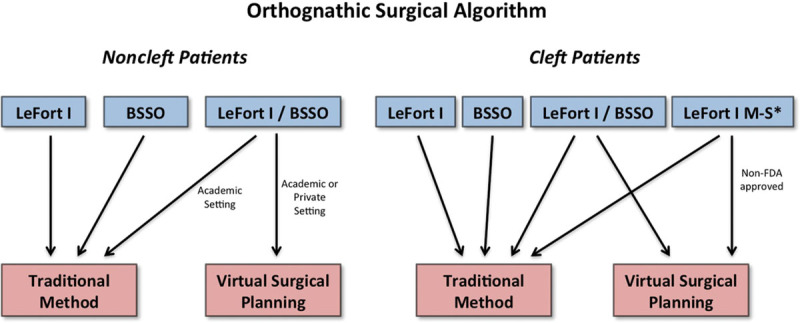
Background: Orthognathic surgery has traditionally been performed using stone model surgery. This involves translating desired clinical movements of the maxilla and mandible into stone models that are then cut and repositioned into class I occlusion from which a splint is generated. Model surgery is an accurate and reproducible method of surgical correction of the dentofacial skeleton in cleft and noncleft patients, albeit considerably time-consuming. With the advent of computed tomography scanning, 3D imaging and virtual surgical planning (VSP) have gained a foothold in orthognathic surgery with VSP rapidly replacing traditional model surgery in many parts of the country and the world. What has yet to be determined is whether the application and feasibility of virtual model surgery is at a point where it will eliminate the need for traditional model surgery in both the private and academic setting.
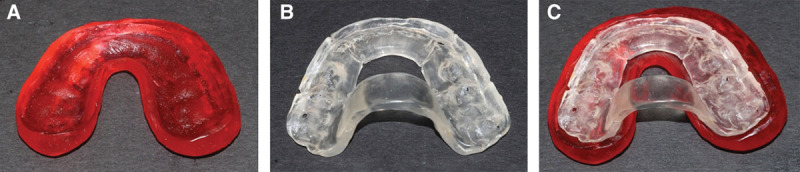
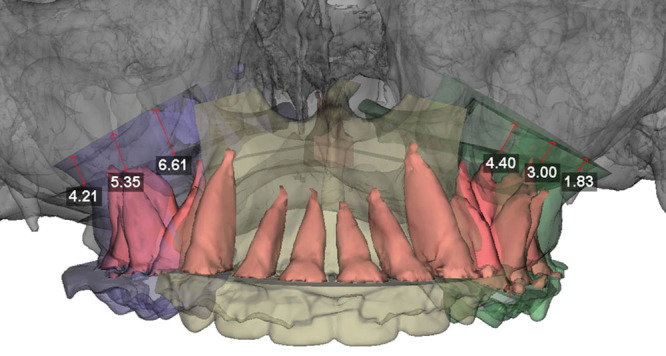
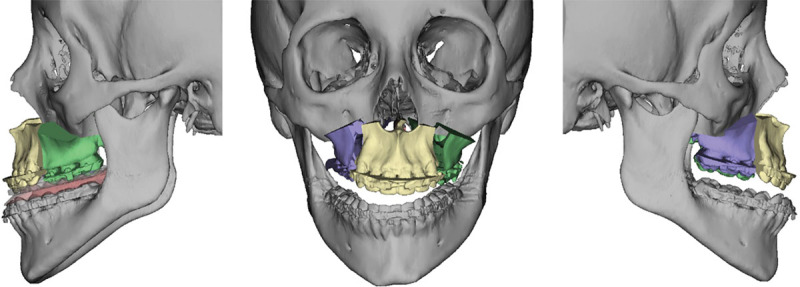
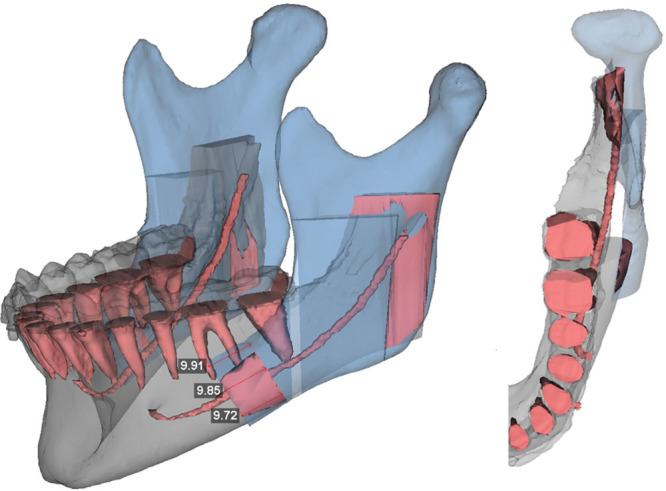
Methods: Traditional model surgery was compared with VSP splint fabrication to determine the feasibility of use and accuracy of application in orthognathic surgery within our institution.
Results: VSP was found to generate acrylic splints of equal quality to model surgery splints in a fraction of the time. Drawbacks of VSP splint fabrication are the increased cost of production and certain limitations as it relates to complex craniofacial patients.
Conclusions: It is our opinion that virtual model surgery will displace and replace traditional model surgery as it will become cost and time effective in both the private and academic setting for practitioners providing orthognathic surgical care in cleft and noncleft patients.
Figures
References
-
- Erickson KL, Bell WH, Goldsmith DH. Analytical model surgery. In: Bell WH, editor. In: Modern Practice in Orthognathic and Reconstructive Surgery. Philadelphia, PA: Saunders; 1992. pp. 154–216.
-
- Bell WH, Jacobs JD, Quejada JG. Simultaneous repositioning of the maxilla, mandible, and chin. Treatment planning and analysis of soft tissues. Am J Orthod. 1986;89:28–50. - PubMed
-
- Levine JP, Patel A, Saadeh PB, et al. Computer-aided design and manufacturing in craniomaxillofacial surgery: the new state of the art. J Craniofac Surg. 2012;23:288–293. - PubMed
-
- Steinhäuser EW. [Retrospective view of the development of malocclusion surgery and prospects]. Mund Kiefer Gesichtschir. 2003;7:371–379. - PubMed
-
- Hausamen JE. The scientific development of maxillofacial surgery in the 20th century and an outlook into the future. J Craniomaxillofac Surg. 2001;29:2–21. - PubMed
LinkOut - more resources
Full Text Sources
Other Literature Sources