


A high-throughput chemical screen reveals that harmine-mediated inhibition of DYRK1A increases human pancreatic beta cell replication
- PMID: 25751815
- PMCID: PMC4690535
- DOI: 10.1038/nm.3820
A high-throughput chemical screen reveals that harmine-mediated inhibition of DYRK1A increases human pancreatic beta cell replication
Abstract
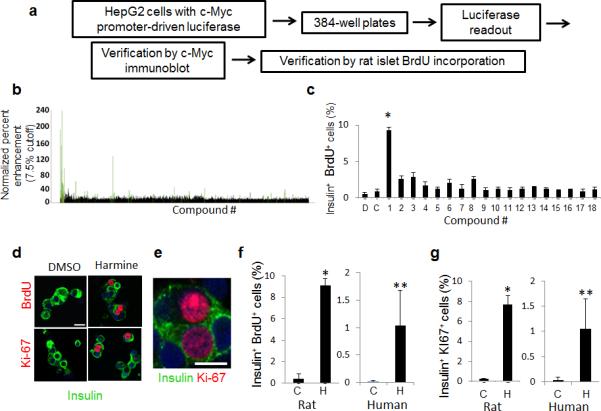
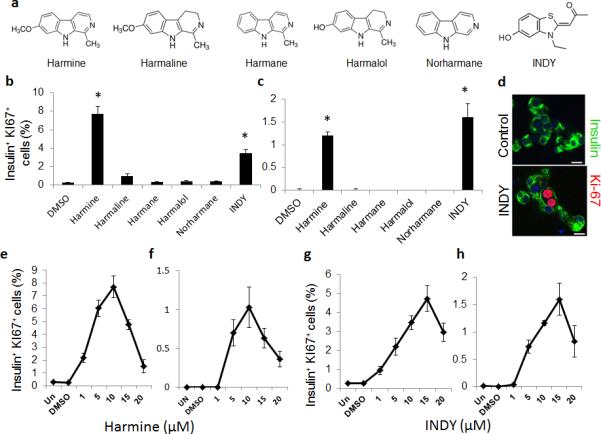
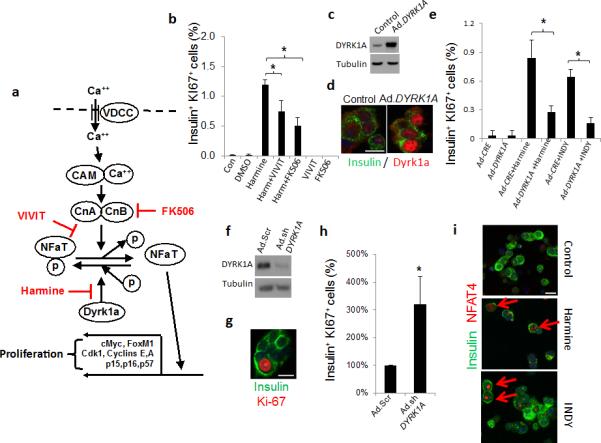
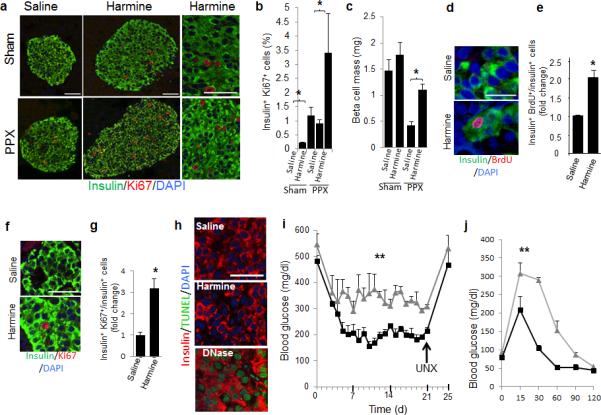
Types 1 and 2 diabetes affect some 380 million people worldwide. Both ultimately result from a deficiency of functional pancreatic insulin-producing beta cells. Beta cells proliferate in humans during a brief temporal window beginning around the time of birth, with a peak percentage (∼2%) engaged in the cell cycle in the first year of life. In embryonic life and after early childhood, beta cell replication is barely detectable. Whereas beta cell expansion seems an obvious therapeutic approach to beta cell deficiency, adult human beta cells have proven recalcitrant to such efforts. Hence, there remains an urgent need for antidiabetic therapeutic agents that can induce regeneration and expansion of adult human beta cells in vivo or ex vivo. Here, using a high-throughput small-molecule screen (HTS), we find that analogs of the small molecule harmine function as a new class of human beta cell mitogenic compounds. We also define dual-specificity tyrosine-regulated kinase-1a (DYRK1A) as the likely target of harmine and the nuclear factors of activated T cells (NFAT) family of transcription factors as likely mediators of human beta cell proliferation and differentiation. Using three different mouse and human islet in vivo-based models, we show that harmine is able to induce beta cell proliferation, increase islet mass and improve glycemic control. These observations suggest that harmine analogs may have unique therapeutic promise for human diabetes therapy. Enhancing the potency and beta cell specificity of these compounds are important future challenges.
Figures
References
-
- Kassem SA, Ariel I, Thornton PS, Scheimberg I, Glaser B. Beta cell proliferation and apoptosis in the developing normal human pancreas and in hyperinsulinism of infancy. Diabetes. 2000;49:1325–1333. - PubMed
-
- Kohler CU, Olewinski M, Tannapfel A, Schmidt WE, Fritsch H, Meier JJ. Cell cycle control of beta cell replication in the prenatal and postnatal human pancreas. Am J Physiol Endocrinol Metab. 2011;300:E221–230. - PubMed
-
- Butler AE, Janson J, Bonner-Weir S, Ritzel R, Rizza RA, Butler PC. Beta cell deficit and increased beta cell apoptosis in humans with diabetes. Diabetes. 2003;52:102–110. - PubMed
Publication types
MeSH terms
Substances
Grants and funding
- R-01 DK55023/DK/NIDDK NIH HHS/United States
- R-01 DK077096/DK/NIDDK NIH HHS/United States
- R-01 DK065149/DK/NIDDK NIH HHS/United States
- R01 DK067351/DK/NIDDK NIH HHS/United States
- R01 DK055023/DK/NIDDK NIH HHS/United States
- U01 DK089538/DK/NIDDK NIH HHS/United States
- R01 DK065149/DK/NIDDK NIH HHS/United States
- R01 DK105015/DK/NIDDK NIH HHS/United States
- P30 DK020541/DK/NIDDK NIH HHS/United States
- P60 DK020541/DK/NIDDK NIH HHS/United States
- R01 DK077096/DK/NIDDK NIH HHS/United States
- U-01 DK089538/DK/NIDDK NIH HHS/United States
- R-01 DK067351/DK/NIDDK NIH HHS/United States
LinkOut - more resources
Full Text Sources
Other Literature Sources
Molecular Biology Databases
