Discrimination of schizophrenia auditory hallucinators by machine learning of resting-state functional MRI
- PMID: 25753600
- PMCID: PMC4787625
- DOI: 10.1142/S0129065715500070
Discrimination of schizophrenia auditory hallucinators by machine learning of resting-state functional MRI
Abstract
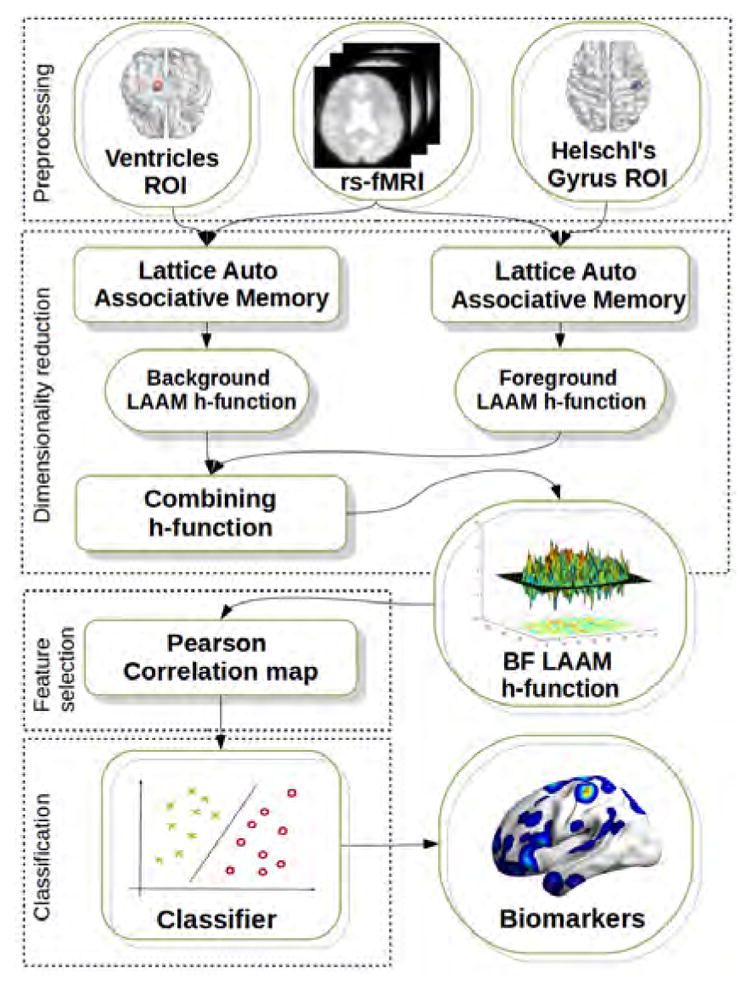
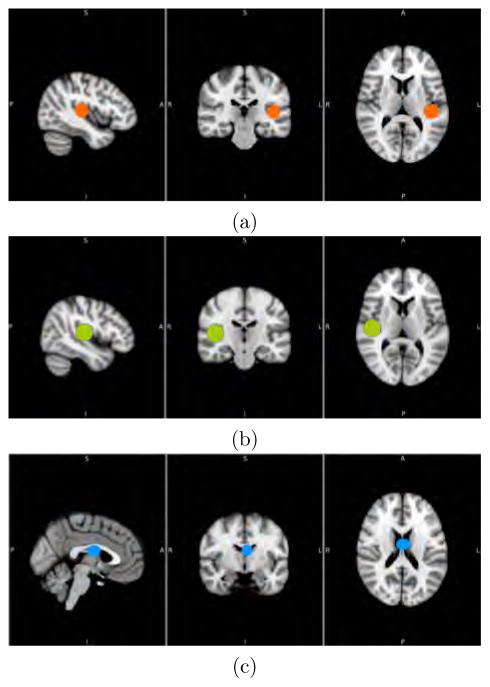
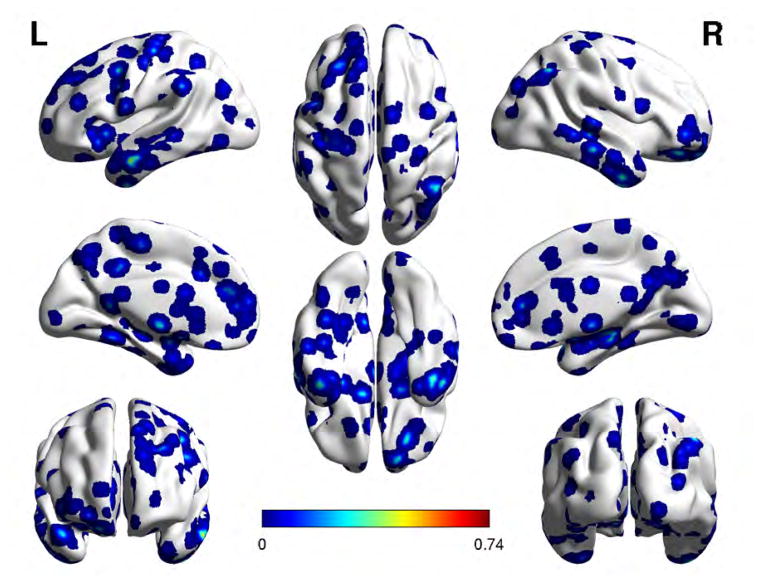
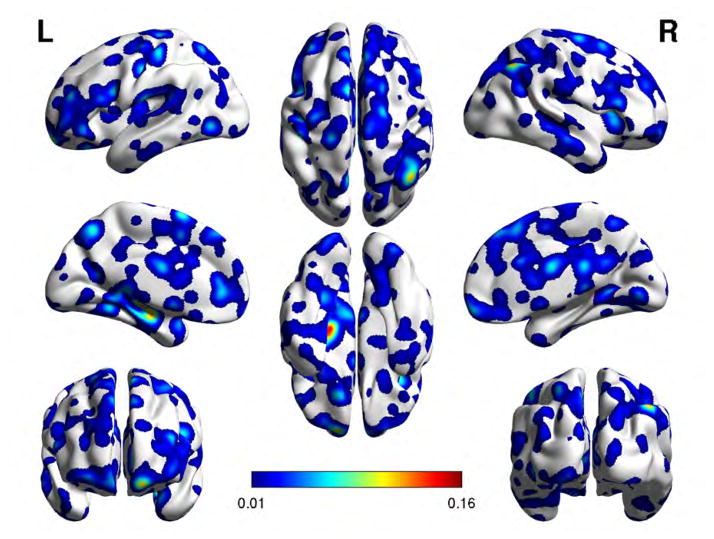
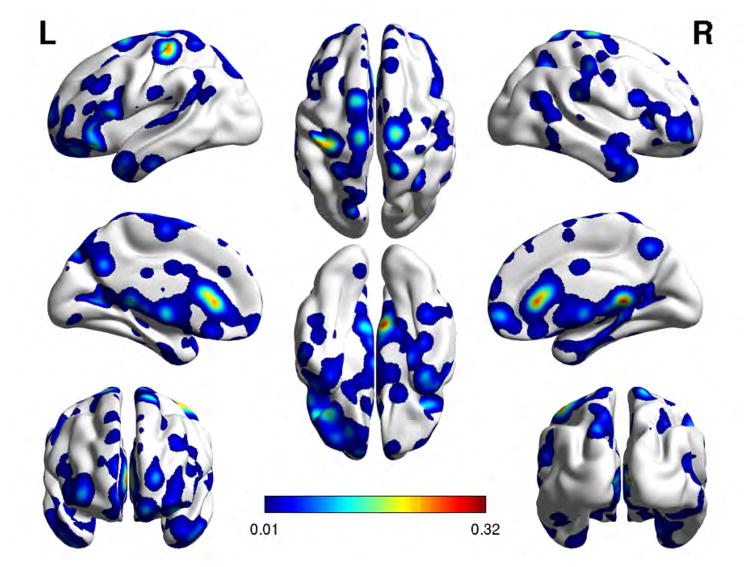
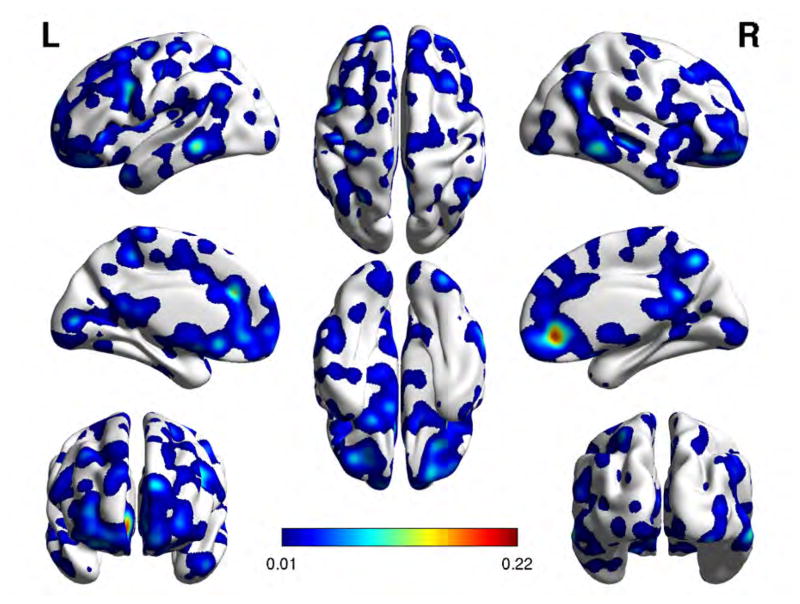
Auditory hallucinations (AH) are a symptom that is most often associated with schizophrenia, but patients with other neuropsychiatric conditions, and even a small percentage of healthy individuals, may also experience AH. Elucidating the neural mechanisms underlying AH in schizophrenia may offer insight into the pathophysiology associated with AH more broadly across multiple neuropsychiatric disease conditions. In this paper, we address the problem of classifying schizophrenia patients with and without a history of AH, and healthy control (HC) subjects. To this end, we performed feature extraction from resting state functional magnetic resonance imaging (rsfMRI) data and applied machine learning classifiers, testing two kinds of neuroimaging features: (a) functional connectivity (FC) measures computed by lattice auto-associative memories (LAAM), and (b) local activity (LA) measures, including regional homogeneity (ReHo) and fractional amplitude of low frequency fluctuations (fALFF). We show that it is possible to perform classification within each pair of subject groups with high accuracy. Discrimination between patients with and without lifetime AH was highest, while discrimination between schizophrenia patients and HC participants was worst, suggesting that classification according to the symptom dimension of AH may be more valid than discrimination on the basis of traditional diagnostic categories. FC measures seeded in right Heschl's gyrus (RHG) consistently showed stronger discriminative power than those seeded in left Heschl's gyrus (LHG), a finding that appears to support AH models focusing on right hemisphere abnormalities. The cortical brain localizations derived from the features with strong classification performance are consistent with proposed AH models, and include left inferior frontal gyrus (IFG), parahippocampal gyri, the cingulate cortex, as well as several temporal and prefrontal cortical brain regions. Overall, the observed findings suggest that computational intelligence approaches can provide robust tools for uncovering subtleties in complex neuroimaging data, and have the potential to advance the search for more neuroscience-based criteria for classifying mental illness in psychiatry research.
Keywords: Resting state fMRI; Schizophrenia; feature selection; functional connectivity; lattice auto-associative memories; lattice computing; machine learning.
Figures
References
-
- Abdi H, Valentin D, Edelman B. Neural Networks. 124. Sage Publications, Inc; 1999.
-
- Adeli H, Hung S. Machine Learning - Neural Networks, Genetic Algorithms, and Fuzzy Systems. John Wiley and Sons; New York: 1995.
-
- Allen P, Larøi F, McGuire PK, Aleman A. The hallucinating brain: A review of structural and functional neuroimaging studies of hallucinations. Neuroscience & Biobehavioral Reviews. 2008;32(1):175–191. - PubMed
-
- Baruque B, Corchado E, Yin H. The s2-ensemble fusion algorithm. International Journal of Neural Systems. 2011;21(06):505–525. - PubMed
-
- Bentall R, Slade P. Reality testing and auditory hallucinations: a signal detection analysis. Br J Clin Psychol. 1985;24(pt 3):159–169. - PubMed
Publication types
MeSH terms
Grants and funding
LinkOut - more resources
Full Text Sources
Medical