


Individual Differences in Cue-Induced Motivation and Striatal Systems in Rats Susceptible to Diet-Induced Obesity
- PMID: 25761571
- PMCID: PMC4613617
- DOI: 10.1038/npp.2015.71
Individual Differences in Cue-Induced Motivation and Striatal Systems in Rats Susceptible to Diet-Induced Obesity
Abstract
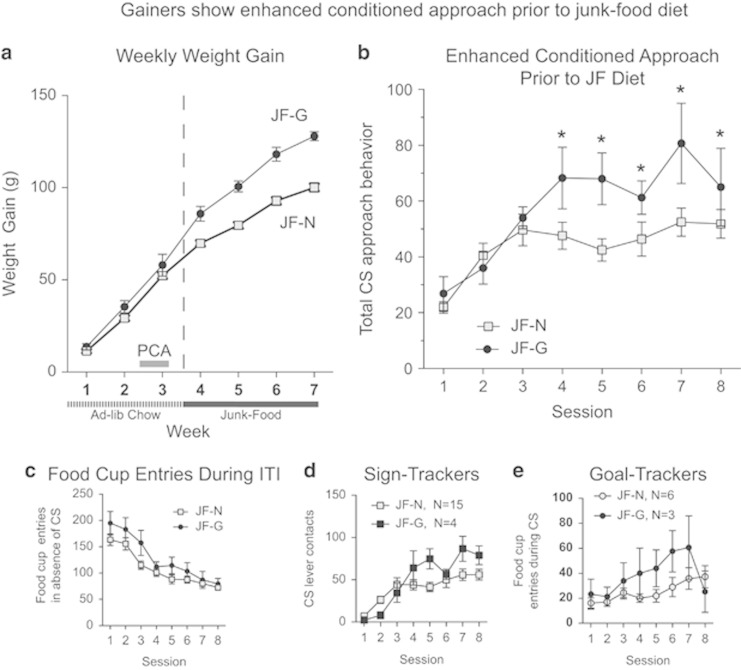
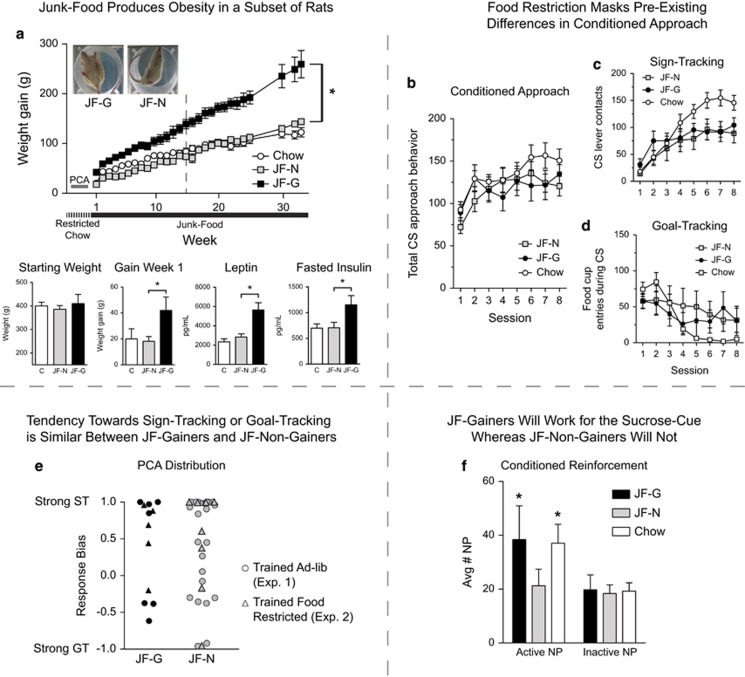
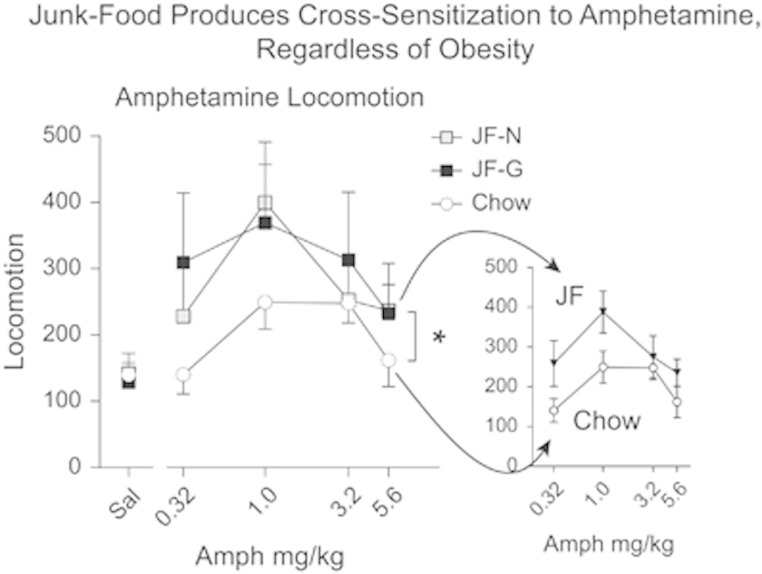
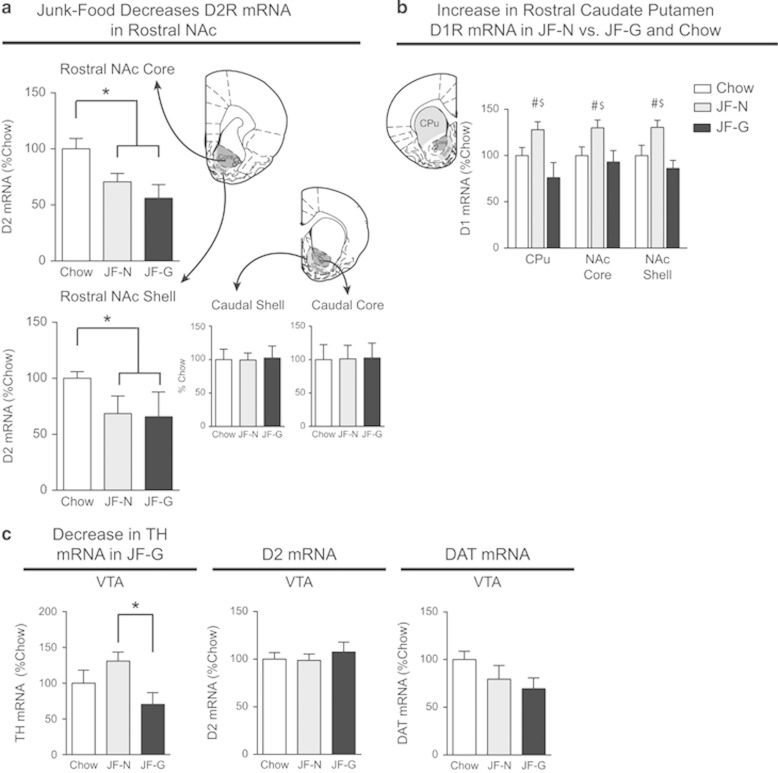
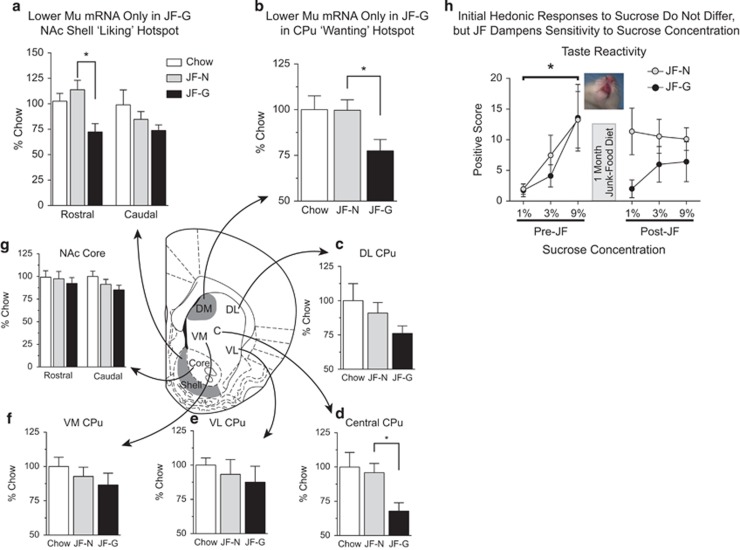
Pavlovian cues associated with junk-foods (caloric, highly sweet, and/or fatty foods), like the smell of brownies, can elicit craving to eat and increase the amount of food consumed. People who are more susceptible to these motivational effects of food cues may have a higher risk for becoming obese. Further, overconsumption of junk-foods leading to the development of obesity may itself heighten attraction to food cues. Here, we used a model of individual susceptibility to junk-foods diet-induced obesity to determine whether there are pre-existing and/or diet-induced increases in attraction to and motivation for sucrose-paired cues (ie, incentive salience or 'wanting'). We also assessed diet- vs obesity-associated alterations in mesolimbic function and receptor expression. We found that rats susceptible to diet-induced obesity displayed heightened conditioned approach prior to the development of obesity. In addition, after junk-food diet exposure, those rats that developed obesity also showed increased willingness to gain access to a sucrose cue. Heightened 'wanting' was not due to individual differences in the hedonic impact ('liking') of sucrose. Neurobiologically, Mu opioid receptor mRNA expression was lower in striatal 'hot-spots' that generate eating or hedonic impact only in those rats that became obese. In contrast, prolonged exposure to junk-food resulted in cross-sensitization to amphetamine-induced locomotion and downregulation of striatal D2R mRNA regardless of the development of obesity. Together these data shed light on individual differences in behavioral and neurobiological consequences of exposure to junk-food diets and the potential contribution of incentive sensitization in susceptible individuals to greater food cue-triggered motivation.
Figures
References
-
- Alsio J, Olszewski PK, Norback AH, Gunnarsson ZE, Levine AS, Pickering C et al (2010). Dopamine D1 receptor gene expression decreases in the nucleus accumbens upon long-term exposure to palatable food and differs depending on diet-induced obesity phenotype in rats. Neuroscience 171: 779–787. - PubMed
-
- Berridge KC (2000). Measuring hedonic impact in animals and infants: microstructure of affective taste reactivity patterns. Neurosci Biobehav Rev 24: 173–198. - PubMed
Publication types
MeSH terms
Substances
Grants and funding
LinkOut - more resources
Full Text Sources
Other Literature Sources
Medical
Research Materials
