


No specific gene expression signature in human granulosa and cumulus cells for prediction of oocyte fertilisation and embryo implantation
- PMID: 25769026
- PMCID: PMC4359149
- DOI: 10.1371/journal.pone.0115865
No specific gene expression signature in human granulosa and cumulus cells for prediction of oocyte fertilisation and embryo implantation
Abstract
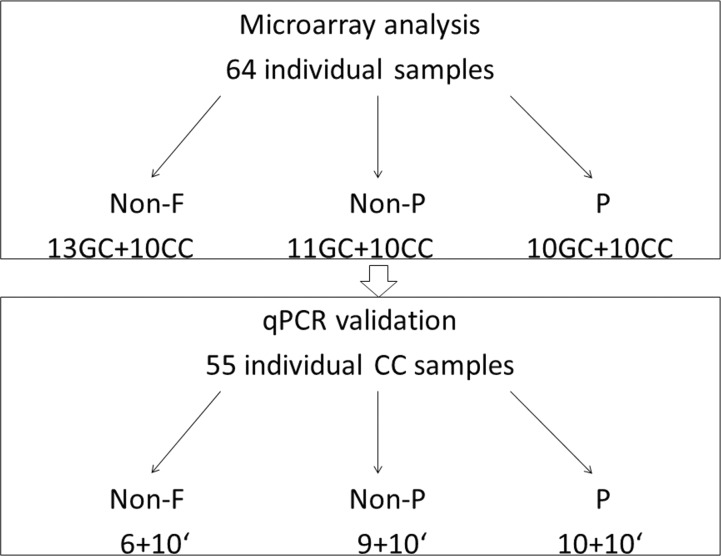
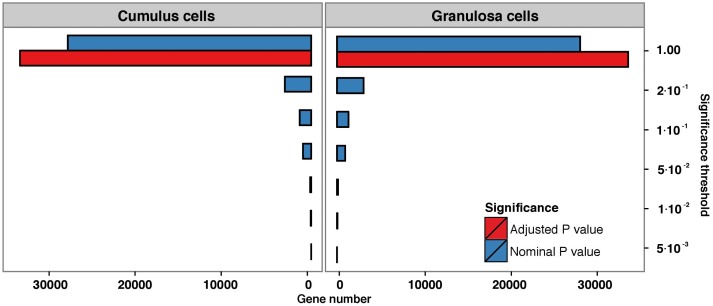
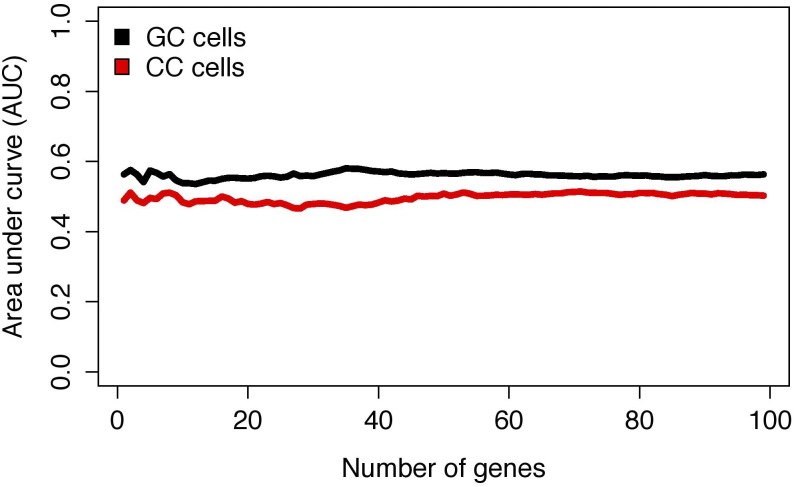
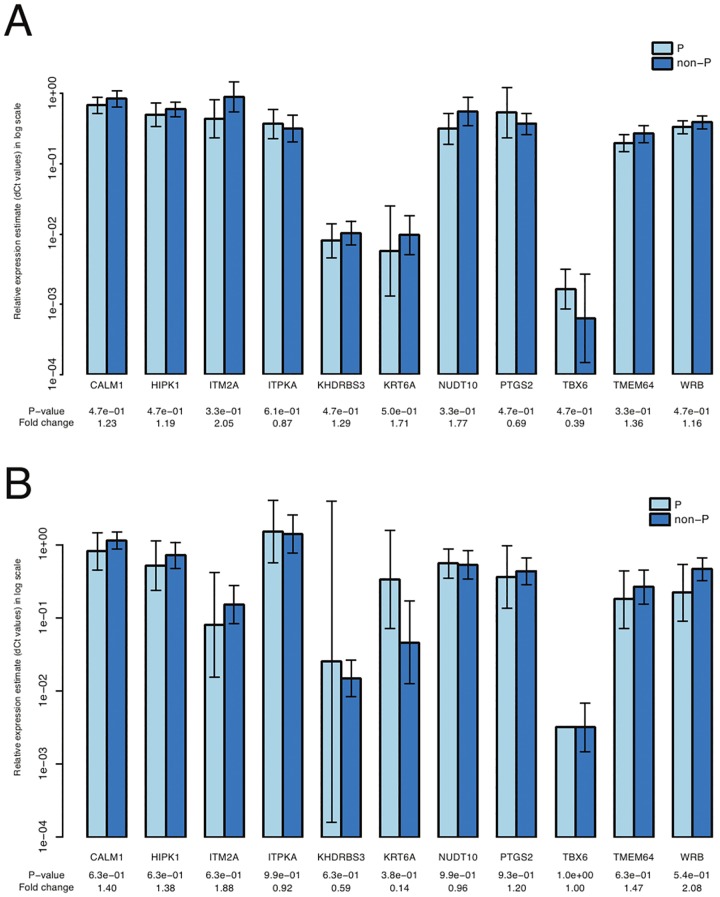
In human IVF procedures objective and reliable biomarkers of oocyte and embryo quality are needed in order to increase the use of single embryo transfer (SET) and thus prevent multiple pregnancies. During folliculogenesis there is an intense bi-directional communication between oocyte and follicular cells. For this reason gene expression profile of follicular cells could be an important indicator and biomarker of oocyte and embryo quality. The objective of this study was to identify gene expression signature(s) in human granulosa (GC) and cumulus (CC) cells predictive of successful embryo implantation and oocyte fertilization. Forty-one patients were included in the study and individual GC and CC samples were collected; oocytes were cultivated separately, allowing a correlation with IVF outcome and elective SET was performed. Gene expression analysis was performed using microarrays, followed by a quantitative real-time PCR validation. After statistical analysis of microarray data, there were no significantly differentially expressed genes (FDR<0,05) between non-fertilized and fertilized oocytes and non-implanted and implanted embryos in either of the cell type. Furthermore, the results of quantitative real-time PCR were in consent with microarray data as there were no significant differences in gene expression of genes selected for validation. In conclusion, we did not find biomarkers for prediction of oocyte fertilization and embryo implantation in IVF procedures in the present study.
Conflict of interest statement
Figures
References
-
- Kovalevsky G, Patrizio P (2005) High rates of embryo wastage with use of assisted reproductive technology: a look at the trends between 1995 and 2001 in the United States. Fertil Steril 84: 325–330. - PubMed
-
- Pinborg A (2005) IVF/ICSI twin pregnancies: risks and prevention. Hum Reprod Update 11: 575–593. - PubMed
-
- Scott L (2003) The biological basis of non-invasive strategies for selection of human oocytes and embryos. Hum Reprod Update 9: 237–249. - PubMed
-
- Guerif F, Le Gouge A, Giraudeau B, Poindron J, Bidault R, et al. (2007) Limited value of morphological assessment at days 1 and 2 to predict blastocyst development potential: a prospective study based on 4042 embryos. Hum Reprod 22: 1973–1981. - PubMed
-
- Gerris JM (2005) Single embryo transfer and IVF/ICSI outcome: a balanced appraisal. Hum Reprod Update 11: 105–121. - PubMed
Publication types
MeSH terms
Substances
LinkOut - more resources
Full Text Sources
Other Literature Sources
Medical
Miscellaneous
