Review
. 2015 Apr;36(4):257-64.
doi: 10.1016/j.it.2015.02.007. Epub 2015 Mar 12.

T cell metabolic fitness in antitumor immunity

Affiliations
Review

T cell metabolic fitness in antitumor immunity

Peter J Siska et al. Trends Immunol. 2015 Apr.

Abstract

T cell metabolism has a central role in supporting and shaping immune responses and may have a key role in antitumor immunity. T cell metabolism is normally held under tight regulation in an immune response of glycolysis to promote effector T cell expansion and function. However, tumors may deplete nutrients, generate toxic products, or stimulate conserved negative feedback mechanisms, such as through Programmed Cell Death 1 (PD-1), to impair effector T cell nutrient uptake and metabolic fitness. In addition, regulatory T cells are favored in low glucose conditions and may inhibit antitumor immune responses. Here, we review how the tumor microenvironment modifies metabolic and functional pathways in T cells and how these changes may uncover new targets and challenges for cancer immunotherapy and treatment.

Keywords: CTLA4; IDO; PD-1; T cell metabolism; antitumor immunity; checkpoint blockade; glycolysis; tumor microenvironment.


Figures

Figure 1
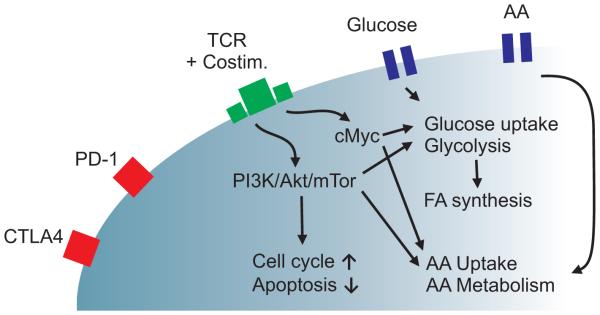
Figure 1. Metabolic regulation and feedback in T cell immunity
T cell activation and signaling through T cell receptor (TCR) activates PI3K/Akt/mTOR and cMyc pathways, leading to increased glycolysis and metabolism in effector T cells (Teff). AA, amino acids; FA, fatty acids; Costim, costimulation.
Figure 2
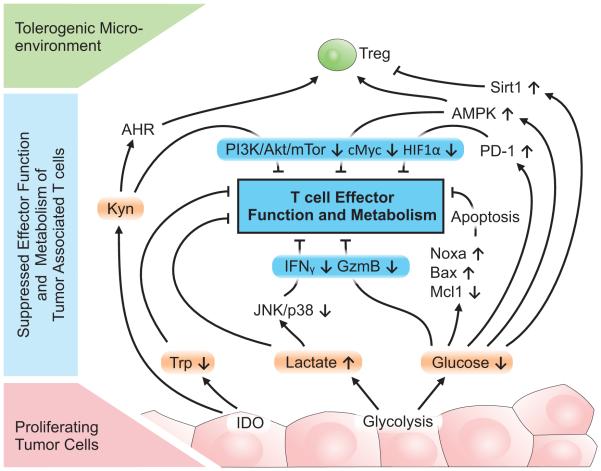
Figure 2. Regulation of tumor associated T cells by changes in tumor microenvironment
Proliferating tumor cells deplete critical nutrients such as tryptophan (Trp) or glucose. The increased metabolic activity of tumor cells results in high concentration of metabolites such as lactate or kynurenines (Kyn), which can activate the Aryl Hydrocarbon Receptor (AHR). Both nutrient depletion and metabolite production negatively impact T cell effector function, metabolism, and survival by modulation of the PI3K/Akt/mTOR pathway, AMPK, and SirT1. In addition, immunosuppressive regulatory T cells (Treg) are favored in tumor microenvironment. Kyn, kynurenines; Trp, tryptophan; AHR; Aryl Hydrocarbon Receptor.
Figure 3
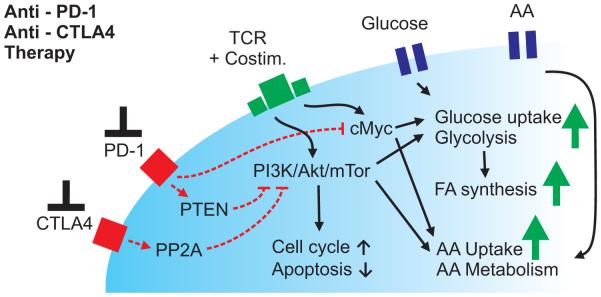
Figure 3. Immune checkpoint blockade may regulate metabolic reprogramming of T cells
Blockade of PD-1 and CTLA4 may increase the metabolic fitness of Teff by enhancing the activity of PI3K/Akt/mTor and increasing cMyc expression that then stimulate aerobic glycolysis and anabolic metabolism. AA, amino acids; FA, fatty acids; Costim, costimulation.
Figure 4
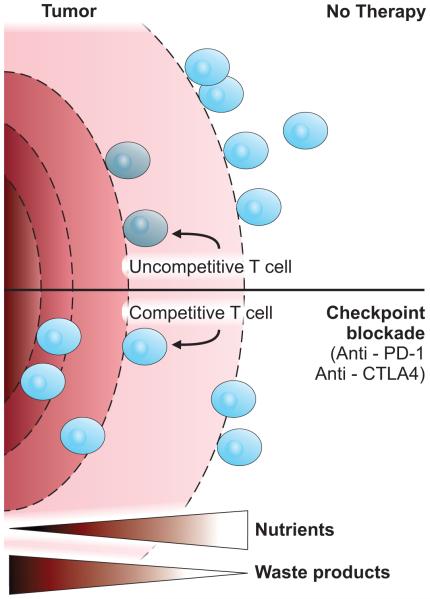
Figure 4. T cell metabolic fitness and anti-tumor immunity
Effector T cells require high levels of glucose and amino acid uptake and are inhibited by lactate and other metabolic waste products. Solid tumor that consume nutrients and accumulate waste products may limit the capacity of T cells to mount an anti-tumor immune response. Blockade of immune checkpoint modulatory signals, such as inhibition of PD-1 or CTLA4, can enhance effector T cell signaling and metabolism to improve T cell metabolic fitness and capacity to compete for nutrients in increasingly challenging metabolic environments.

References

    1. Melero I, et al. Therapeutic vaccines for cancer: an overview of clinical trials. Nature reviews. Clinical oncology. 2014;11:509–524. - PubMed
    1. Koppenol WH, et al. Otto Warburg's contributions to current concepts of cancer metabolism. Nat Rev Cancer. 2011;11:325–337. - PubMed
    1. Vander Heiden MG, et al. Understanding the Warburg effect: the metabolic requirements of cell proliferation. Science. 2009;324:1029–1033. - PMC - PubMed
    1. Schroeder T, et al. Spatial heterogeneity and oxygen dependence of glucose consumption in R3230Ac and fibrosarcomas of the Fischer 344 rat. Cancer Res. 2005;65:5163–5171. - PubMed
    1. Page DB, et al. Immune modulation in cancer with antibodies. Annu Rev Med. 2014;65:185–202. - PubMed

Publication types

Substances