


Nitrogen Starvation Acclimation in Synechococcus elongatus: Redox-Control and the Role of Nitrate Reduction as an Electron Sink
- PMID: 25780959
- PMCID: PMC4390884
- DOI: 10.3390/life5010888
Nitrogen Starvation Acclimation in Synechococcus elongatus: Redox-Control and the Role of Nitrate Reduction as an Electron Sink
Abstract
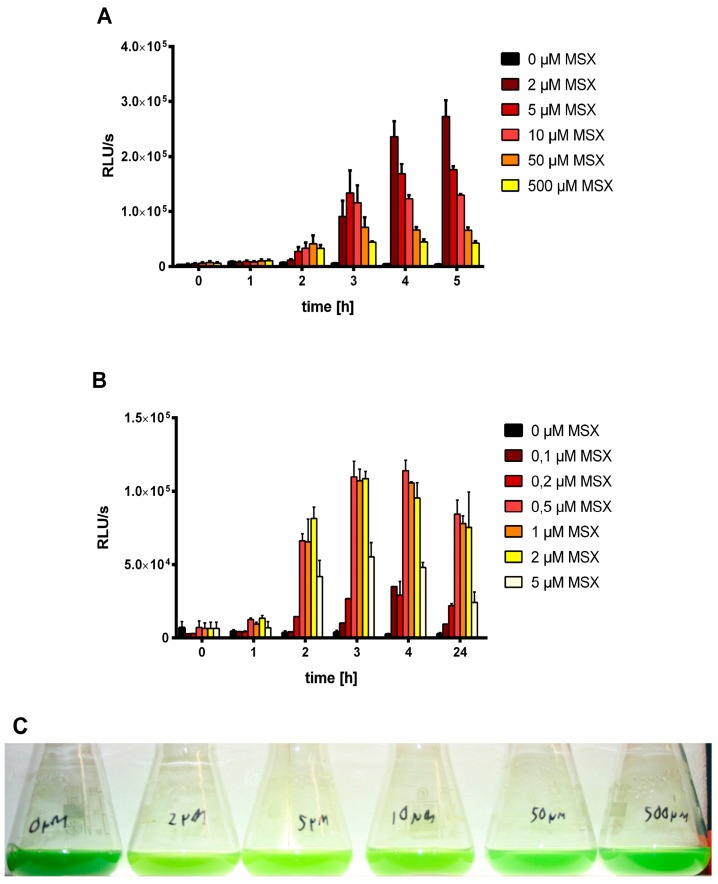
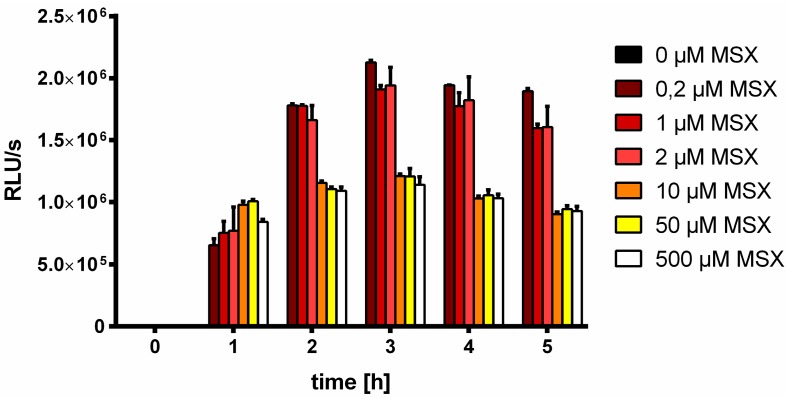
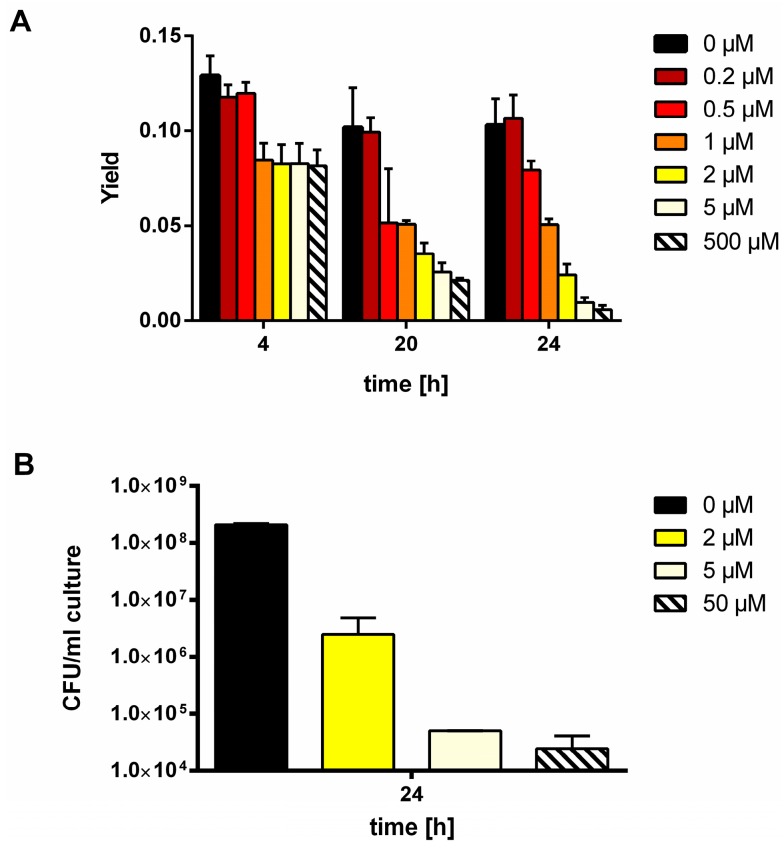
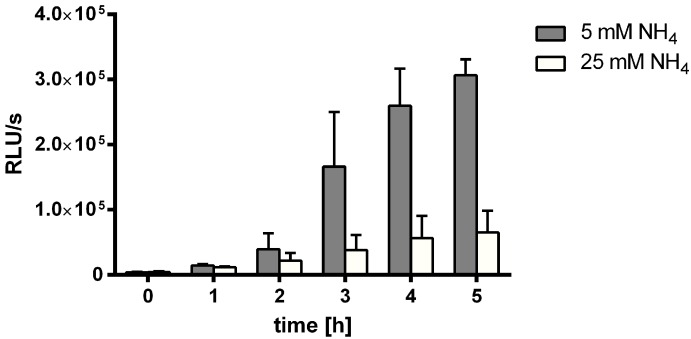
Nitrogen starvation acclimation in non-diazotrophic cyanobacteria is characterized by a process termed chlorosis, where the light harvesting pigments are degraded and the cells gradually tune down photosynthetic and metabolic activities. The chlorosis response is governed by a complex and poorly understood regulatory network, which converges at the expression of the nblA gene, the triggering factor for phycobiliprotein degradation. This study established a method that allows uncoupling metabolic and redox-signals involved in nitrogen-starvation acclimation. Inhibition of glutamine synthetase (GS) by a precise dosage of l-methionine-sulfoximine (MSX) mimics the metabolic situation of nitrogen starvation. Addition of nitrate to such MSX-inhibited cells eliminates the associated redox-stress by enabling electron flow towards nitrate/nitrite reduction and thereby, prevents the induction of nblA expression and the associated chlorosis response. This study demonstrates that nitrogen starvation is perceived not only through metabolic signals, but requires a redox signal indicating over-reduction of PSI-reduced electron acceptors. It further establishes a cryptic role of nitrate/nitrite reductases as electron sinks to balance conditions of over-reduction.
Figures




References
-
- Vitousek P.M., Howarth R.W. Nitrogen limitation on land and in the sea: How can it occur? Biogeochemistry. 1991;13:87–115.
-
- Schwarz R., Forchhammer K. Acclimation of unicellular cyanobacteria to macronutrient deficiency: Emergence of a complex network of cellular responses. Microbiology. 2005;151:2503–2514. - PubMed
-
- Allen M.M., Smith A.J. Nitrogen chlorosis in blue-green algae. Archiv fur Mikrobiologie. 1969;69:114–120. - PubMed
LinkOut - more resources
Full Text Sources
Other Literature Sources
