


The effect of technology-based interventions on pain, depression, and quality of life in patients with cancer: a systematic review of randomized controlled trials
- PMID: 25793945
- PMCID: PMC4381812
- DOI: 10.2196/jmir.4009
The effect of technology-based interventions on pain, depression, and quality of life in patients with cancer: a systematic review of randomized controlled trials
Abstract
Background: The burden of cancer is increasing; projections over the next 2 decades suggest that the annual cases of cancer will rise from 14 million in 2012 to 22 million. However, cancer patients in the 21st century are living longer due to the availability of novel therapeutic regimens, which has prompted a growing focus on maintaining patients' health-related quality of life. Telehealth is increasingly being used to connect with patients outside of traditional clinical settings, and early work has shown its importance in improving quality of life and other clinical outcomes in cancer care.
Objective: The aim of this study was to systematically assess the literature for the effect of supportive telehealth interventions on pain, depression, and quality of life in cancer patients via a systematic review of clinical trials.
Methods: We searched PubMed, EMBASE, Google Scholar, CINAHL, and PsycINFO in July 2013 and updated the literature search again in January 2015 for prospective randomized trials evaluating the effect of telehealth interventions in cancer care with pain, depression, and quality of life as main outcomes. Two of the authors independently reviewed and extracted data from eligible randomized controlled trials, based on pre-determined selection criteria. Methodological quality of studies was assessed by the Cochrane Collaboration risk of bias tool.
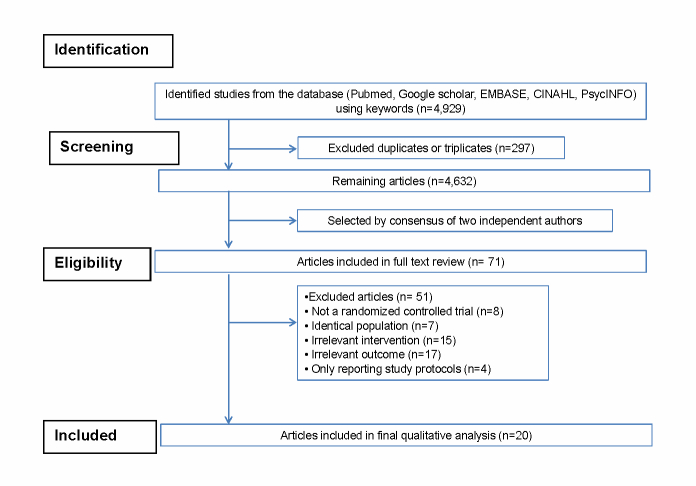
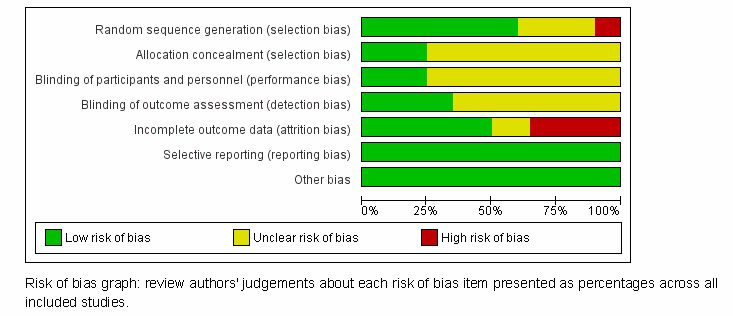
Results: Of the 4929 articles retrieved from databases and relevant bibliographies, a total of 20 RCTs were included in the final review. The studies were largely heterogeneous in the type and duration of the intervention as well as in outcome assessments. A majority of the studies were telephone-based interventions that remotely connected patients with their health care provider or health coach. The intervention times ranged from 1 week to 12 months. In general, most of the studies had low risk of bias across the domains of the Cochrane Collaboration risk of bias tool, but most of the studies had insufficient information about the allocation concealment domain. Two of the three studies focused on pain control reported significant effects of the intervention; four of the nine studies focus on depression reported significant effects, while only the studies that were focused on quality of life reported significant effects.
Conclusions: This systematic review demonstrates the potential of telehealth interventions in improving outcomes in cancer care. However, more high-quality large-sized trials are needed to demonstrate cogent evidence of its effectiveness.
Keywords: cancer; connected health; depression; pain; quality of life; randomized controlled trials; systematic review; telehealth; telephone.
Conflict of interest statement
Conflicts of Interest: None declared.
Figures
References
-
- World Health Organization. [2014-11-05]. Cancer http://www.who.int/mediacentre/factsheets/fs297/en/
-
- National Cancer Institute. [2014-11-05]. SEER Stat Fact Sheets: All Cancer Sites http://seer.cancer.gov/statfacts/html/all.html.
-
- Zabora J, BrintzenhofeSzoc K, Curbow B, Hooker C, Piantadosi S. The prevalence of psychological distress by cancer site. Psychooncology. 2001;10(1):19–28. - PubMed
-
- Kvedar Joseph C, Nesbitt Thomas, Kvedar Julie G, Darkins Adam. E-patient connectivity and the near term future. J Gen Intern Med. 2011 Nov;26 Suppl 2:636–8. doi: 10.1007/s11606-011-1763-0. http://europepmc.org/abstract/MED/21989615 - DOI - PMC - PubMed
Publication types
MeSH terms
LinkOut - more resources
Full Text Sources
Other Literature Sources
Medical
