


Targeting transporters: promoting blood-brain barrier repair in response to oxidative stress injury
- PMID: 25796436
- PMCID: PMC4569519
- DOI: 10.1016/j.brainres.2015.03.018
Targeting transporters: promoting blood-brain barrier repair in response to oxidative stress injury
Abstract
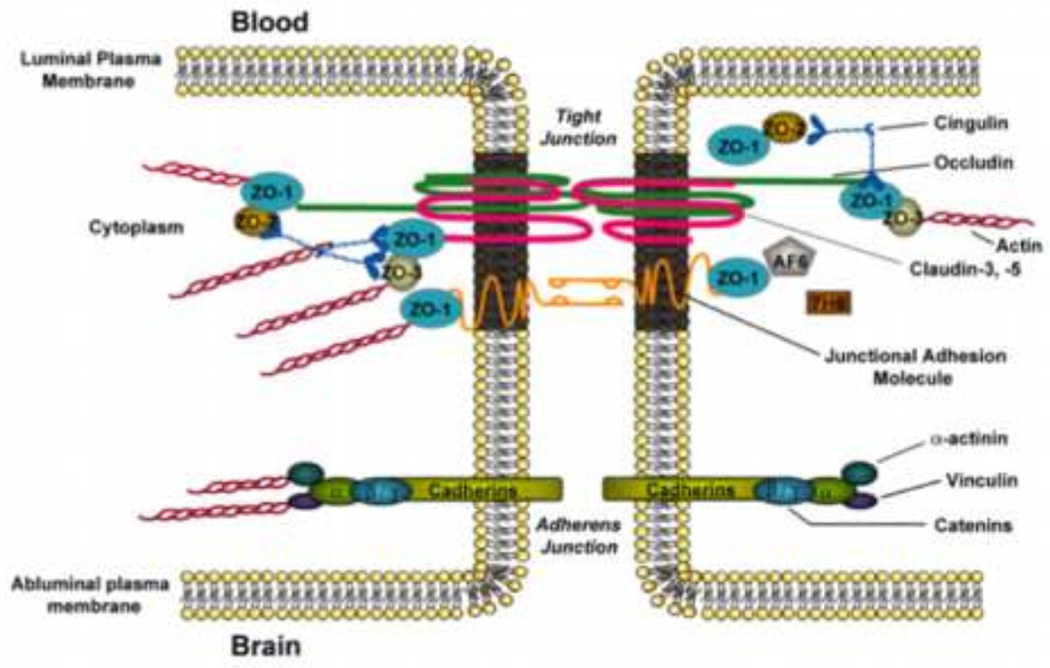
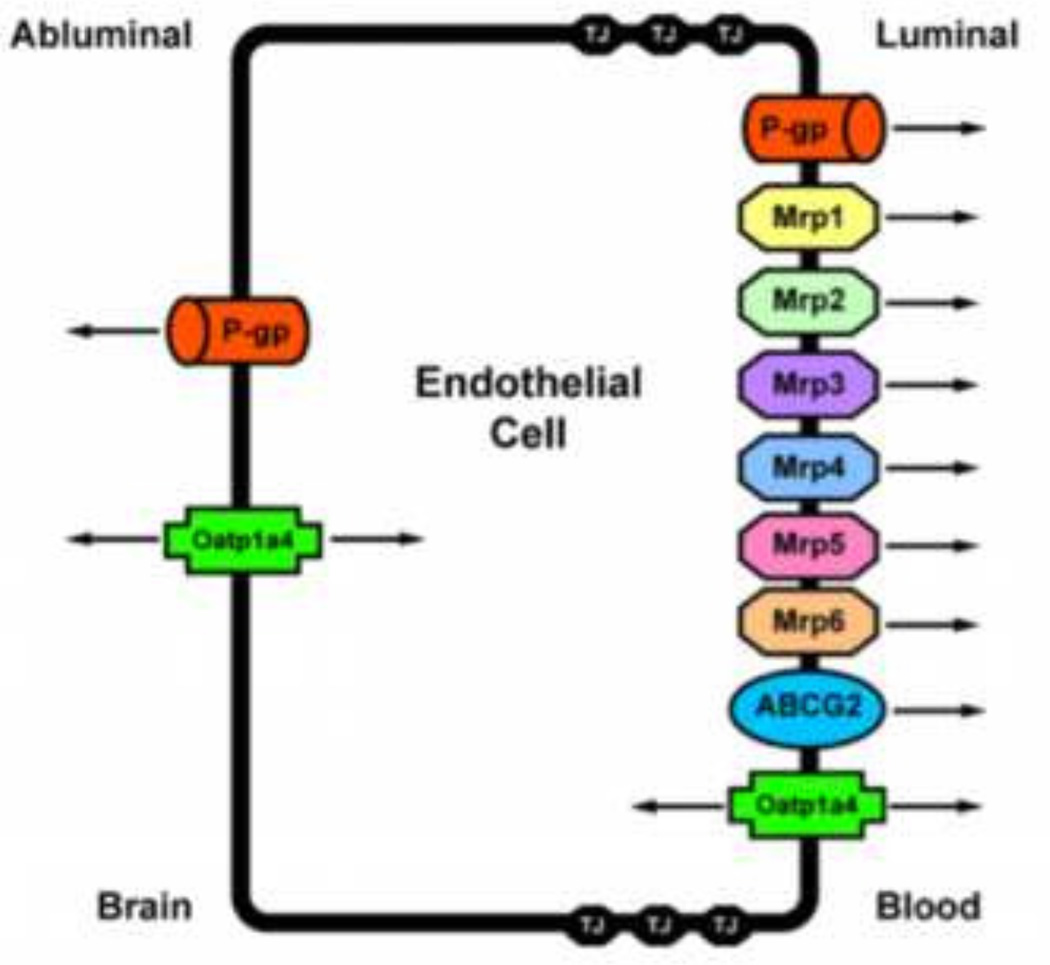
The blood-brain barrier (BBB) is a physical and biochemical barrier that precisely regulates the ability of endogenous and exogenous substances to accumulate within brain tissue. It possesses structural and biochemical features (i.e., tight junction and adherens junction protein complexes, influx and efflux transporters) that work in concert to control solute permeation. Oxidative stress, a critical component of several diseases including cerebral hypoxia/ischemia and peripheral inflammatory pain, can cause considerable injury to the BBB and lead to significant CNS pathology. This suggests a critical need for novel therapeutic approaches that can protect the BBB in diseases with an oxidative stress component. Recent studies have identified molecular targets (i.e., putative membrane transporters, intracellular signaling systems) that can be exploited for optimization of endothelial drug delivery or for control of transport of endogenous substrates such as the antioxidant glutathione (GSH). In particular, targeting transporters offers a unique approach to protect BBB integrity by promoting repair of cell-cell interactions at the level of the brain microvascular endothelium. This review summarizes current knowledge in this area and emphasizes those targets that present considerable opportunity for providing BBB protection and/or promoting BBB repair in the setting of oxidative stress. This article is part of a Special Issue entitled SI: Cell Interactions In Stroke.
Keywords: Blood–brain barrier; Endothelial cell; Membrane transporter; Multidrug resistance proteins; Organic anion transporting polypeptides; Oxidative stress.
Copyright © 2015 Elsevier B.V. All rights reserved.
Figures
References
-
- Abbott NJ, Patabendige AA, Dolman DE, Yusof SR, Begley DJ. Structure and function of the blood-brain barrier. Neurobiol Dis. 2010;37:13–25. - PubMed
-
- Abbruscato TJ, Lopez SP, Mark KS, Hawkins BT, Davis TP. Nicotine and cotinine modulate cerebral microvascular permeability and protein expression of ZO-1 through nicotinic acetylcholine receptors expressed on brain endothelial cells. J Pharm Sci. 2002;91:2525–2538. - PubMed
Publication types
MeSH terms
Grants and funding
LinkOut - more resources
Full Text Sources
Other Literature Sources
