


Role of the sympathetic nervous system in carbon tetrachloride-induced hepatotoxicity and systemic inflammation
- PMID: 25799095
- PMCID: PMC4370606
- DOI: 10.1371/journal.pone.0121365
Role of the sympathetic nervous system in carbon tetrachloride-induced hepatotoxicity and systemic inflammation
Abstract
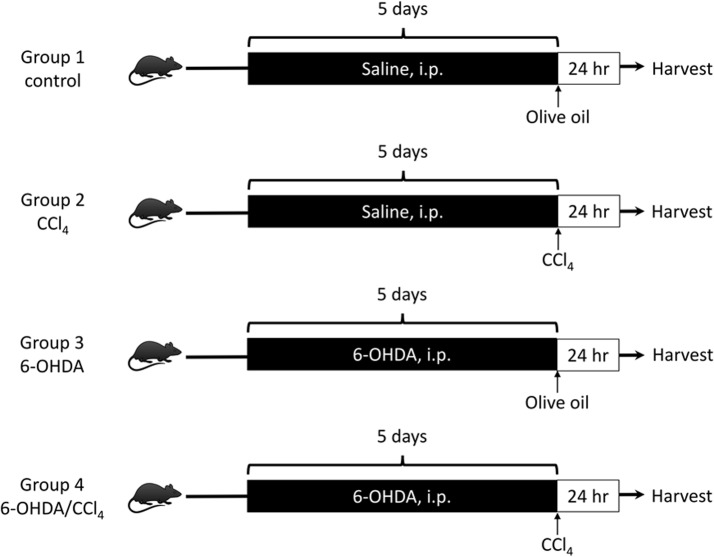
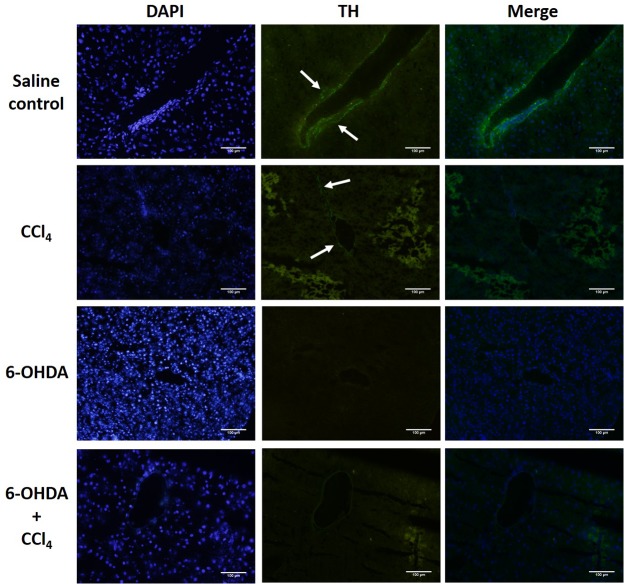
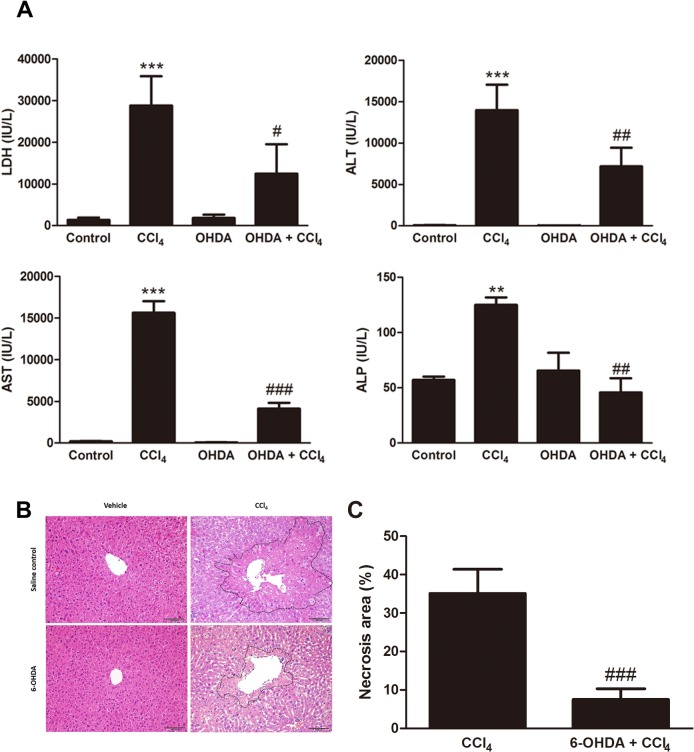
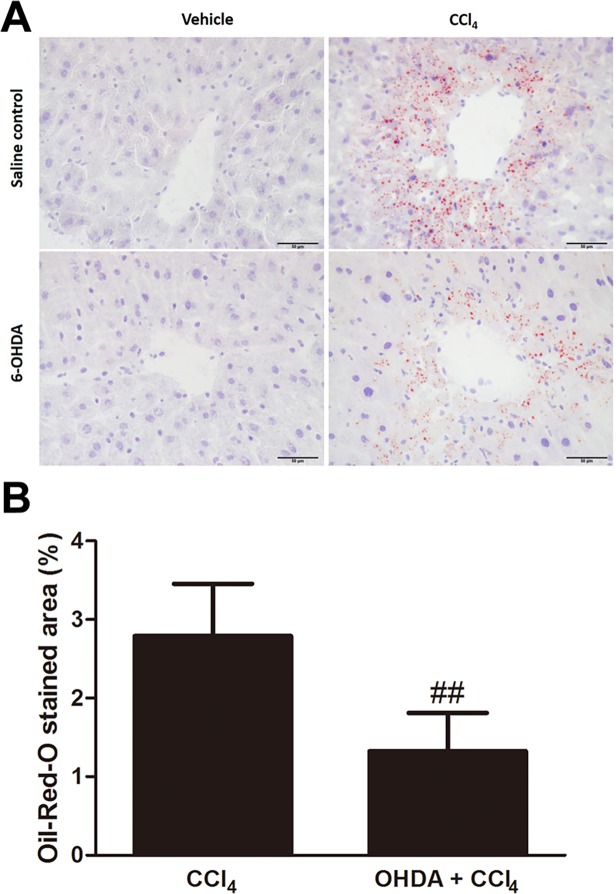
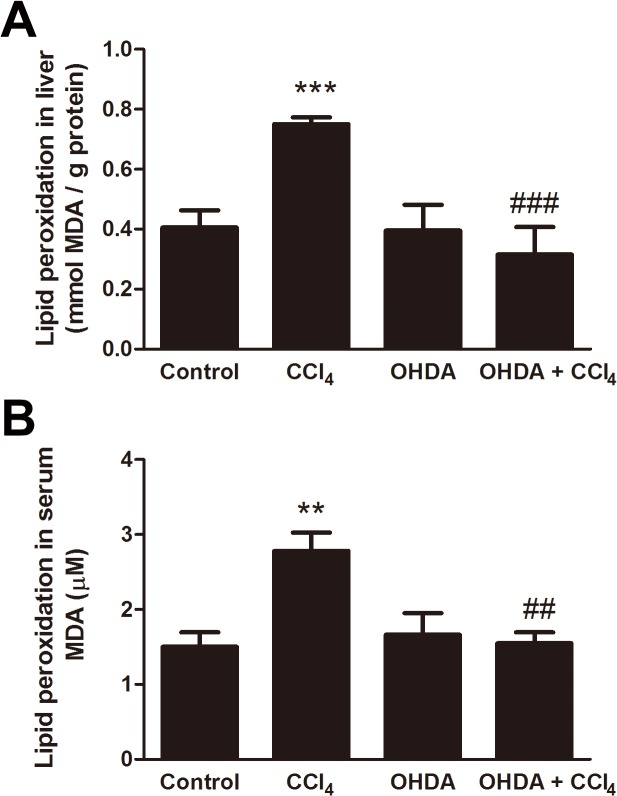
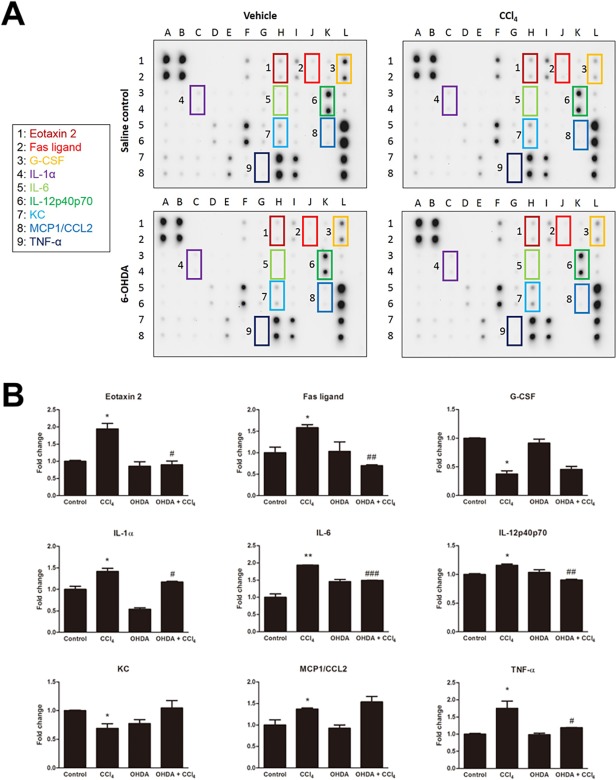
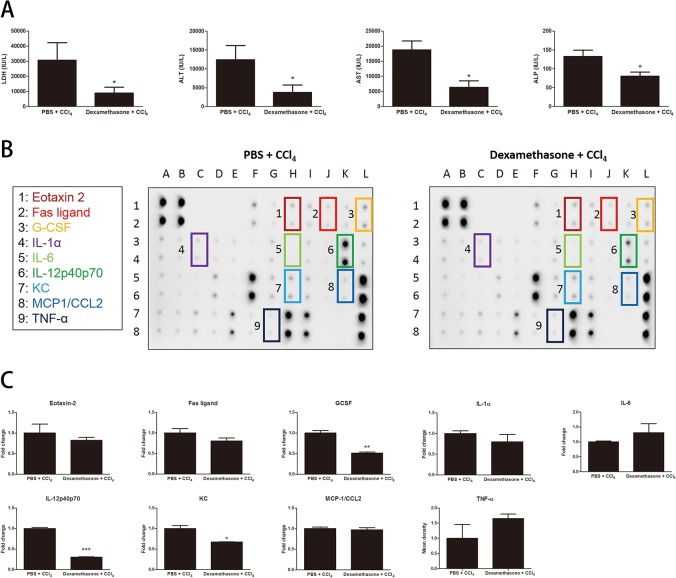
Carbon tetrachloride (CCl4) is widely used as an animal model of hepatotoxicity and the mechanisms have been arduously studied, however, the contribution of the sympathetic nervous system (SNS) in CCl4-induced acute hepatotoxicity remains controversial. It is also known that either CCl4 or SNS can affect systemic inflammatory responses. The aim of this study was to establish the effect of chemical sympathectomy with 6-hydroxydopamine (6-OHDA) in a mouse model of CCl4-induced acute hepatotoxicity and systemic inflammatory response. Mice exposed to CCl4 or vehicle were pretreated with 6-OHDA or saline. The serum levels of aminotransferases and alkaline phosphatase in the CCl4-poisoning mice with sympathetic denervation were significantly lower than those without sympathetic denervation. With sympathetic denervation, hepatocellular necrosis and fat infiltration induced by CCl4 were greatly decreased. Sympathetic denervation significantly attenuated CCl4-induced lipid peroxidation in liver and serum. Acute CCl4 intoxication showed increased expression of inflammatory cytokines/chemokines [eotaxin-2/CCL24, Fas ligand, interleukin (IL)-1α, IL-6, IL-12p40p70, monocyte chemoattractant protein-1 (MCP-1/CCL2), and tumor necrosis factor-α (TNF-α)], as well as decreased expression of granulocyte colony-stimulating factor and keratinocyte-derived chemokine. The overexpressed levels of IL-1α, IL-6, IL-12p40p70, MCP-1/CCL2, and TNF-α were attenuated by sympathetic denervation. Pretreatment with dexamethasone significantly reduced CCl4-induced hepatic injury. Collectively, this study demonstrates that the SNS plays an important role in CCl4-induced acute hepatotoxicity and systemic inflammation and the effect may be connected with chemical- or drug-induced hepatotoxicity and circulating immune response.
Conflict of interest statement
Figures
References
-
- Weber LW, Boll M, Stampfl A. Hepatotoxicity and mechanism of action of haloalkanes: carbon tetrachloride as a toxicological model. Crit Rev Toxicol. 2003;33: 105–136. - PubMed
-
- Judah JD, Rees KR. Mechanism of action of carbon tetrachloride. Fed Proc. 1959;18: 1013–1020. - PubMed
-
- Manibusan MK, Odin M, Eastmond DA. Postulated carbon tetrachloride mode of action: a review. J Environ Sci Health C Environ Carcinog Ecotoxicol Rev. 2007;25: 185–209. - PubMed
-
- Smialowicz RJ, Simmons JE, Luebke RW, Allis JW. Immunotoxicologic assessment of subacute exposure of rats to carbon tetrachloride with comparison to hepatotoxicity and nephrotoxicity. Fundam Appl Toxicol. 1991;17: 186–196. - PubMed
-
- Letteron P, Fromenty B, Terris B, Degott C, Pessayre D. Acute and chronic hepatic steatosis lead to in vivo lipid peroxidation in mice. J Hepatol. 1996;24: 200–208. - PubMed
Publication types
MeSH terms
Substances
LinkOut - more resources
Full Text Sources
Other Literature Sources
Research Materials
Miscellaneous
