


The combination of phylogenetic analysis with epidemiological and serological data to track HIV-1 transmission in a sexual transmission case
- PMID: 25807147
- PMCID: PMC4373787
- DOI: 10.1371/journal.pone.0119989
The combination of phylogenetic analysis with epidemiological and serological data to track HIV-1 transmission in a sexual transmission case
Abstract
Objective: To investigate the linkage of HIV transmission from a man to a woman through unprotected sexual contact without disclosing his HIV-positive status.
Methods: Combined with epidemiological information and serological tests, phylogenetic analysis was used to test the a priori hypothesis of HIV transmission from the man to the woman. Control subjects, infected with HIV through heterosexual intercourse, from the same location were also sampled. Phylogenetic analyses were performed using the consensus gag, pol and env sequences obtained from blood samples of the man, the woman and the local control subjects. The env quasispecies of the man, the woman, and two controls were also obtained using single genome amplification and sequencing (SGA/S) to explore the paraphyletic relationship by phylogenetic analysis.
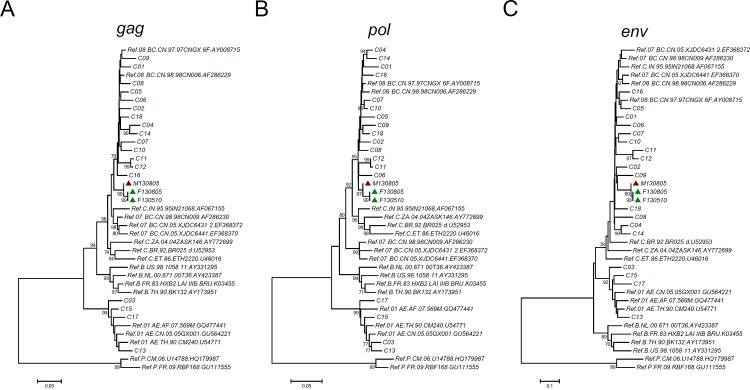
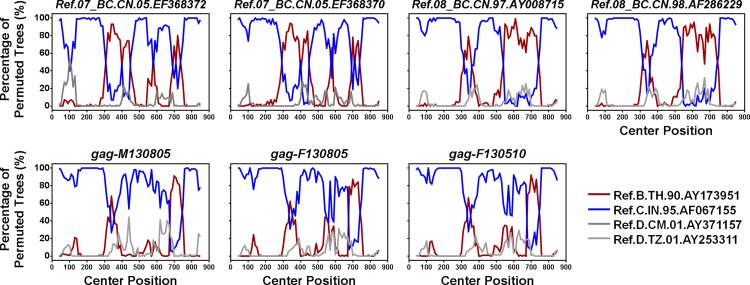
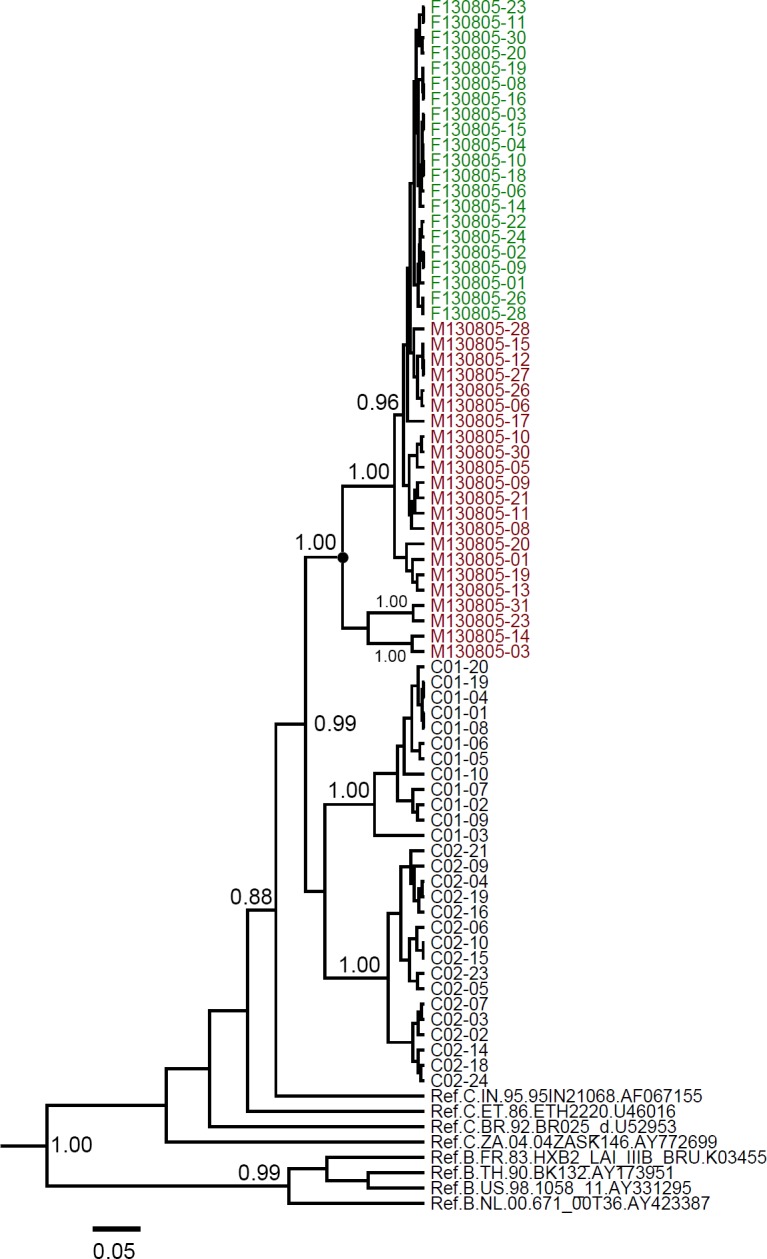
Results: Epidemiological information and serological tests indicated that the man was infected with HIV-1 earlier than the woman. Phylogenetic analyses of the consensus sequences showed a monophyletic cluster for the man and woman in all three genomic regions. Furthermore, gag sequences of the man and woman shared a unique recombination pattern from subtype B and C, which was different from those of CRF07_BC or CRF08_BC observed in the local samples. These indicated that the viral sequences from the two subjects display a high level of similarity. Further, viral quasispecies from the man exhibited a paraphyletic relationship with those from the woman in the Bayesian and maximum-likelihood (ML) phylogenetic trees of the env region, which supported the transmission direction from the man to the woman.
Conclusions: In the context of epidemiological and serological evidence, the results of phylogenetic analyses support the transmission from the man to the woman.
Conflict of interest statement
Figures
References
-
- Rambaut A, Posada D, Crandall KA, Holmes EC. The causes and consequences of HIV evolution. Nat Rev Genet. 2004;5: 52–61. - PubMed
-
- Ou CY, Ciesielski CA, Myers G, Bandea CI, Luo CC, Korber BT, et al. Molecular epidemiology of HIV transmission in a dental practice. Science. 1992;256: 1165–1171. - PubMed
Publication types
MeSH terms
LinkOut - more resources
Full Text Sources
Other Literature Sources
Medical
