


Recent insights into the actions of IGFBP-6
- PMID: 25808083
- PMCID: PMC4458248
- DOI: 10.1007/s12079-015-0288-4
Recent insights into the actions of IGFBP-6
Abstract
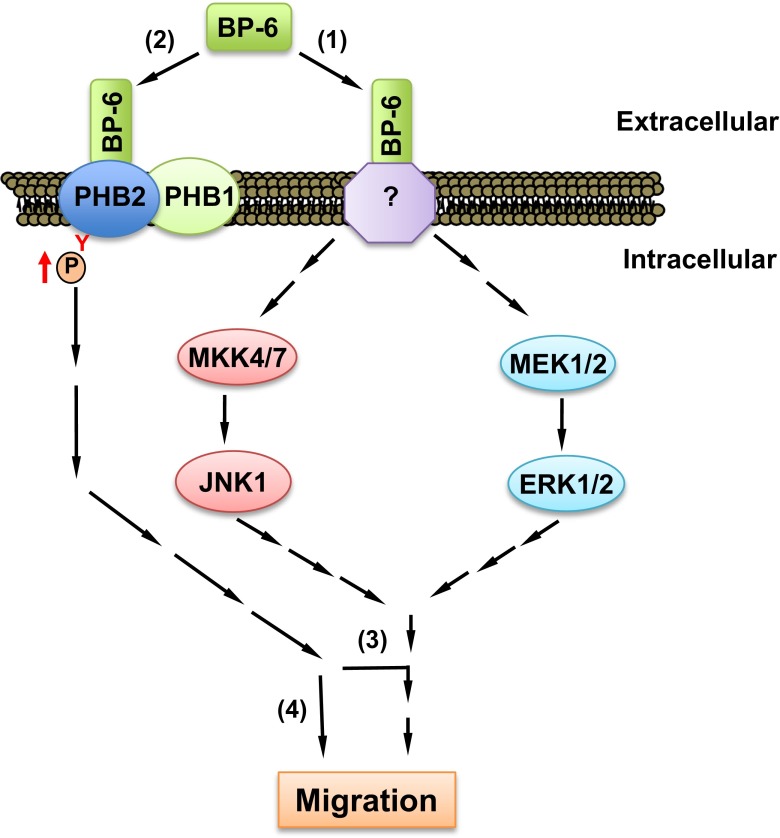
IGFBP-6 is an O-linked glycoprotein that preferentially binds IGF-II over IGF-I. It is a relatively selective inhibitor of IGF-II actions including proliferation, survival and differentiation of a wide range of cells. IGFBP-6 has recently been shown to have a number of IGF-independent actions, including promotion of apoptosis in some cells and inhibition of angiogenesis. IGFBP-6 also induces migration of tumour cells including rhabdomyosarcomas by an IGF-independent mechanism. This chemotactic effect is mediated by MAP kinases. IGFBP-6 binds to prohibitin-2 on the cell surface and the latter is required for IGFBP-6-induced migration by a mechanism that is independent of MAP kinases. IGFBP-6 may enter the nucleus and modulate cell survival and differentiation. IGFBP-6 expression is decreased in a number of cancer cells and it has been postulated to act as a tumour suppressor. IGFBP-6 expression is increased in a smaller number of cancers, which may reflect a compensatory mechanism to control IGF-II actions or IGF-independent actions. The relative balance of IGF-dependent and IGF-independent actions of IGFBP-6 in vivo together with the related question regarding the roles of IGFBP-6 binding to IGF and non-IGF ligands are keys to understanding the physiological role of this protein.
Figures
References
-
- Amini Nik S, Ebrahim RP, Van Dam K, Cassiman JJ, Tejpar S. TGF-beta modulates beta-catenin stability and signaling in mesenchymal proliferations. Exp Cell Res. 2007;313:2887–2895. - PubMed
-
- Ande SR, Gu Y, Nyomba BL, Mishra S. Insulin induced phosphorylation of prohibitin at tyrosine 114 recruits Shp1. Biochim Biophys Acta. 2009;1793:1372–1378. - PubMed
-
- Artal-Sanz M, Tavernarakis N. Prohibitin couples diapause signalling to mitochondrial metabolism during ageing in C. elegans. Nature. 2009;461:793–797. - PubMed
-
- Bach LA. Insulin-like growth factor binding protein-6: the “forgotten” binding protein? Horm Metab Res. 1999;31:226–234. - PubMed
-
- Bach LA. IGFBP-6 five years on; not so ‘forgotten’? Growth Horm IGF Res. 2005;15:185–192. - PubMed
LinkOut - more resources
Full Text Sources
Other Literature Sources
Miscellaneous
