


Quantitative analysis of lung ultrasonography for the detection of community-acquired pneumonia: a pilot study
- PMID: 25811032
- PMCID: PMC4355628
- DOI: 10.1155/2015/868707
Quantitative analysis of lung ultrasonography for the detection of community-acquired pneumonia: a pilot study
Abstract
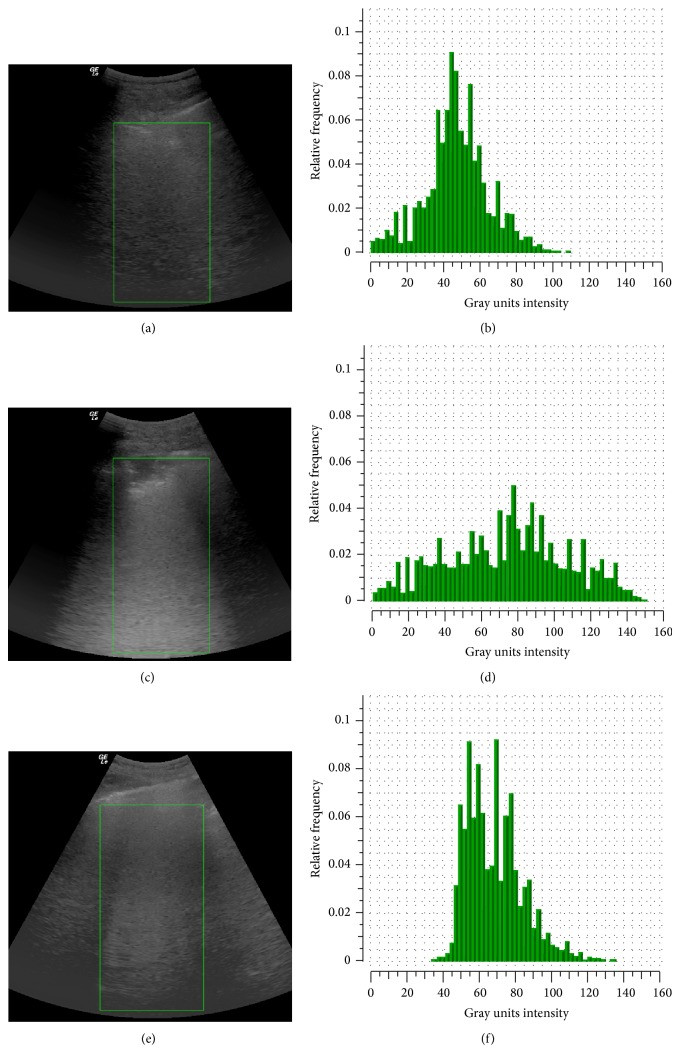
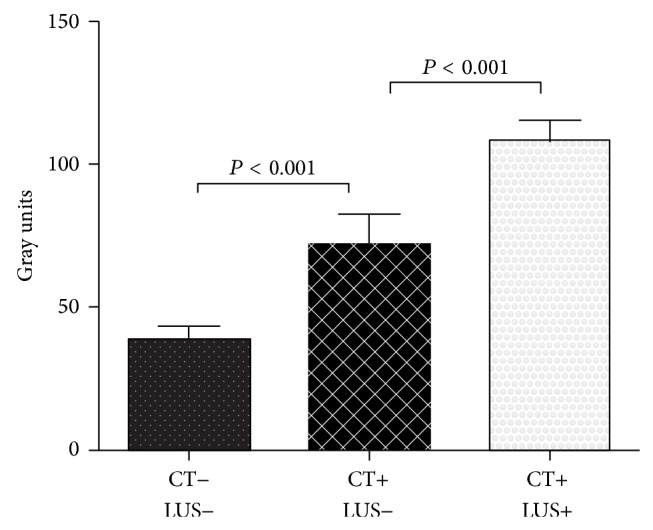
Background and objective: Chest X-ray is recommended for routine use in patients with suspected pneumonia, but its use in emergency settings is limited. In this study, the diagnostic performance of a new method for quantitative analysis of lung ultrasonography was compared with bedside chest X-ray and visual lung ultrasonography for detection of community-acquired pneumonia, using thoracic computed tomography as a gold standard.
Methods: Thirty-two spontaneously breathing patients with suspected community-acquired pneumonia, undergoing computed tomography examination, were consecutively enrolled. Each hemithorax was evaluated for the presence or absence of abnormalities by chest X-ray and quantitative or visual ultrasonography.
Results: Quantitative ultrasonography showed higher sensitivity (93%), specificity (95%), and diagnostic accuracy (94%) than chest X-ray (64%, 80%, and 69%, resp.), visual ultrasonography (68%, 95%, and 77%, resp.), or their combination (77%, 75%, and 77%, resp.).
Conclusions: Quantitative lung ultrasonography was considerably more accurate than either chest X-ray or visual ultrasonography in the diagnosis of community-acquired pneumonia and it may represent a useful first-line approach for confirmation of clinical diagnosis in emergency settings.
Figures
References
MeSH terms
LinkOut - more resources
Full Text Sources
Other Literature Sources
