


The intestine and the kidneys: a bad marriage can be hazardous
- PMID: 25815173
- PMCID: PMC4370304
- DOI: 10.1093/ckj/sfv004
The intestine and the kidneys: a bad marriage can be hazardous
Abstract
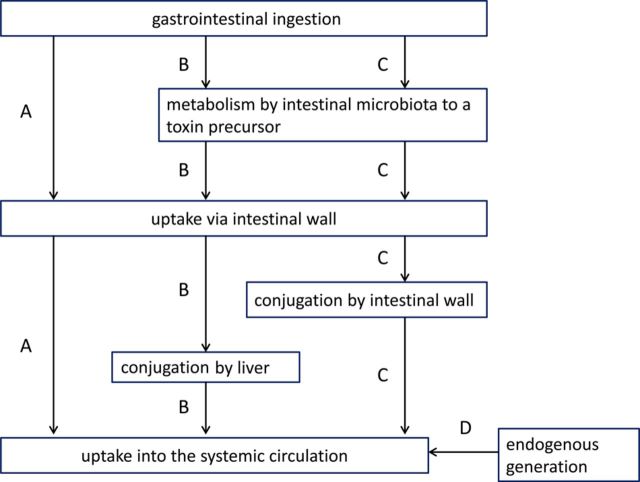
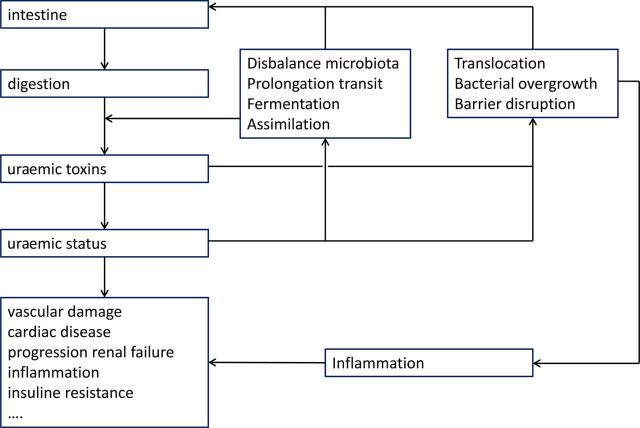
The concept that the intestine and chronic kidney disease influence each other, emerged only recently. The problem is multifaceted and bidirectional. On one hand, the composition of the intestinal microbiota impacts uraemic retention solute production, resulting in the generation of essentially protein-bound uraemic toxins with strong biological impact such as vascular damage and progression of kidney failure. On the other hand, the uraemic status affects the composition of intestinal microbiota, the generation of uraemic retention solutes and their precursors and causes disturbances in the protective epithelial barrier of the intestine and the translocation of intestinal microbiota into the body. All these elements together contribute to the disruption of the metabolic equilibrium and homeostasis typical to uraemia. Several measures with putative impact on intestinal status have recently been tested for their influence on the generation or concentration of uraemic toxins. These include dietary measures, prebiotics, probiotics, synbiotics and intestinal sorbents. Unfortunately, the quality and the evidence base of many of these studies are debatable, especially in uraemia, and often results within one study or among studies are contradictory. Nevertheless, intestinal uraemic metabolite generation remains an interesting target to obtain in the future as an alternative or additive to dialysis to decrease uraemic toxin generation. In the present review, we aim to summarize (i) the role of the intestine in uraemia by producing uraemic toxins and by generating pathophysiologically relevant changes, (ii) the role of uraemia in modifying intestinal physiology and (iii) the therapeutic options that could help to modify these effects and the studies that have assessed the impact of these therapies.
Keywords: CKD; creatinine; haemodialysis; systematic review; uraemic toxins.
Figures
References
-
- Guarner F, Malagelada JR. Gut flora in health and disease. Lancet 2003; 361: 512–519 - PubMed
LinkOut - more resources
Full Text Sources
Other Literature Sources
Medical
Research Materials
