


Optimizing multiple sclerosis diagnosis: gene expression and genomic association
- PMID: 25815353
- PMCID: PMC4369276
- DOI: 10.1002/acn3.174
Optimizing multiple sclerosis diagnosis: gene expression and genomic association
Abstract
Objective: The diagnosis of multiple sclerosis (MS) at disease onset is sometimes masqueraded by other diagnostic options resembling MS clinically or radiologically (NonMS). In the present study we utilized findings of large-scale Genome-Wide Association Studies (GWAS) to develop a blood gene expression-based classification tool to assist in diagnosis during the first demyelinating event.
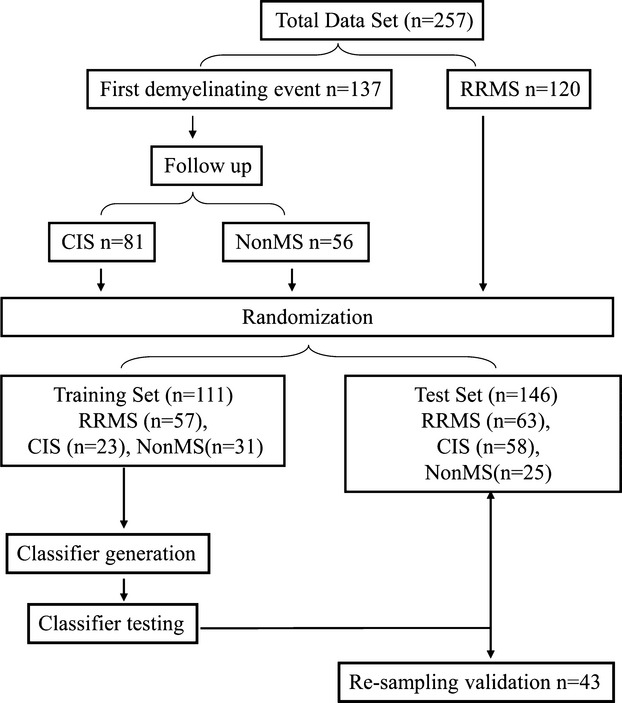
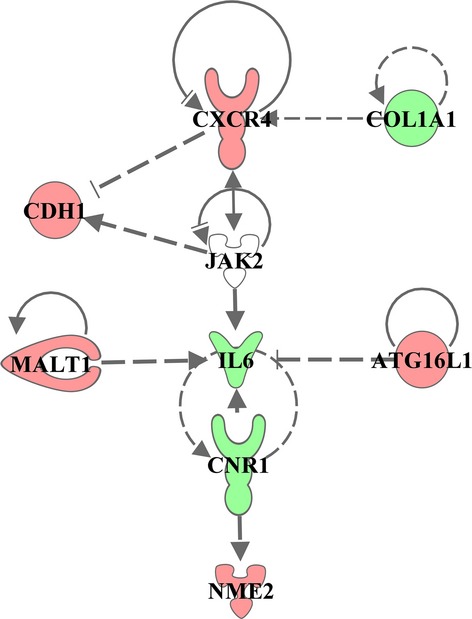
Methods: We have merged knowledge of 110 MS susceptibility genes gained from MS GWAS studies together with our experimental results of differential blood gene expression profiling between 80 MS and 31 NonMS patients. Multiple classification algorithms were applied to this cohort to construct a diagnostic classifier that correctly distinguished between MS and NonMS patients. Accuracy of the classifier was tested on an additional independent group of 146 patients including 121 MS and 25 NonMS patients.
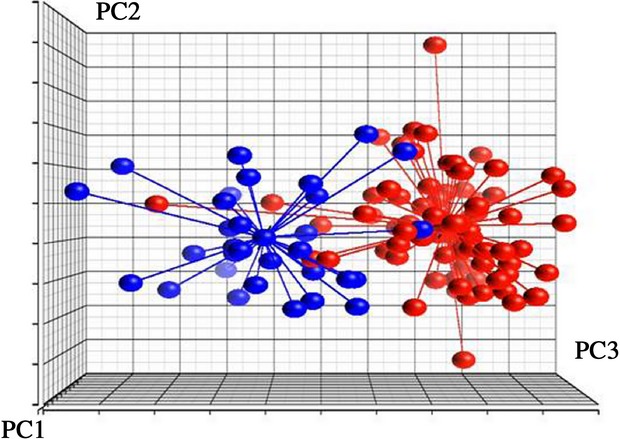
Results: We have constructed a 42 gene-transcript expression-based MS diagnostic classifier. The overall accuracy of the classifier, as tested on an independent patient population consisting of diagnostically challenging cases including NonMS patients with positive MRI findings, achieved a correct classification rate of 76.0 ± 3.5%.
Interpretation: The presented diagnostic classification tool complements the existing diagnostic McDonald criteria by assisting in the accurate exclusion of other neurological diseases at presentation of the first demyelinating event suggestive of MS.
Figures
References
-
- Rolak LA, Fleming JO. The differential diagnosis of multiple sclerosis. Neurologist. 2007;13:57–72. - PubMed
-
- Charil A, Yousry TA, Rovaris M, et al. MRI and the diagnosis of multiple sclerosis: expanding the concept of “no better explanation”. Lancet Neurol. 2006;5:841–852. - PubMed
-
- Harris VK, Sadiq SA. Disease biomarkers in multiple sclerosis: potential for use in therapeutic decision making. Mol Diagn Ther. 2009;13:225–244. - PubMed
LinkOut - more resources
Full Text Sources
Other Literature Sources
