


Genome Sequence and Transcriptome Analysis of Meat-Spoilage-Associated Lactic Acid Bacterium Lactococcus piscium MKFS47
- PMID: 25819958
- PMCID: PMC4421071
- DOI: 10.1128/AEM.00320-15
Genome Sequence and Transcriptome Analysis of Meat-Spoilage-Associated Lactic Acid Bacterium Lactococcus piscium MKFS47
Abstract
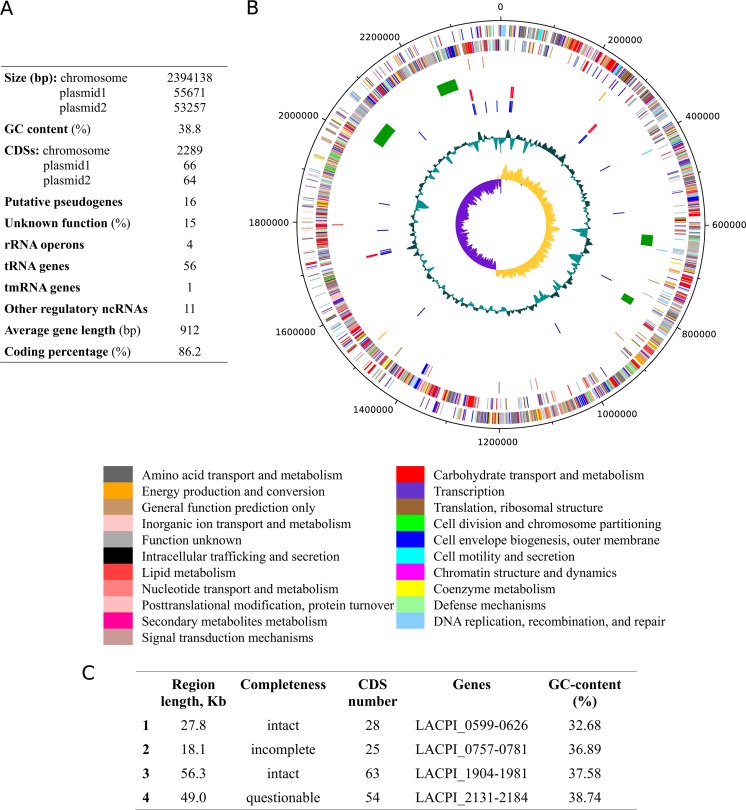
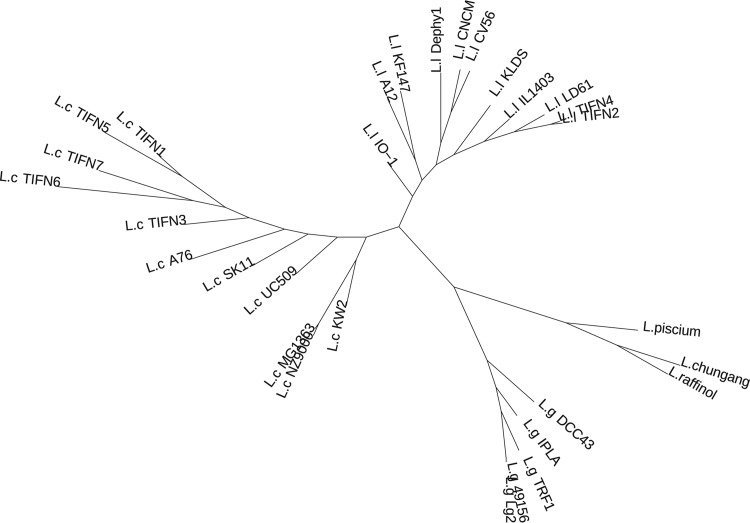
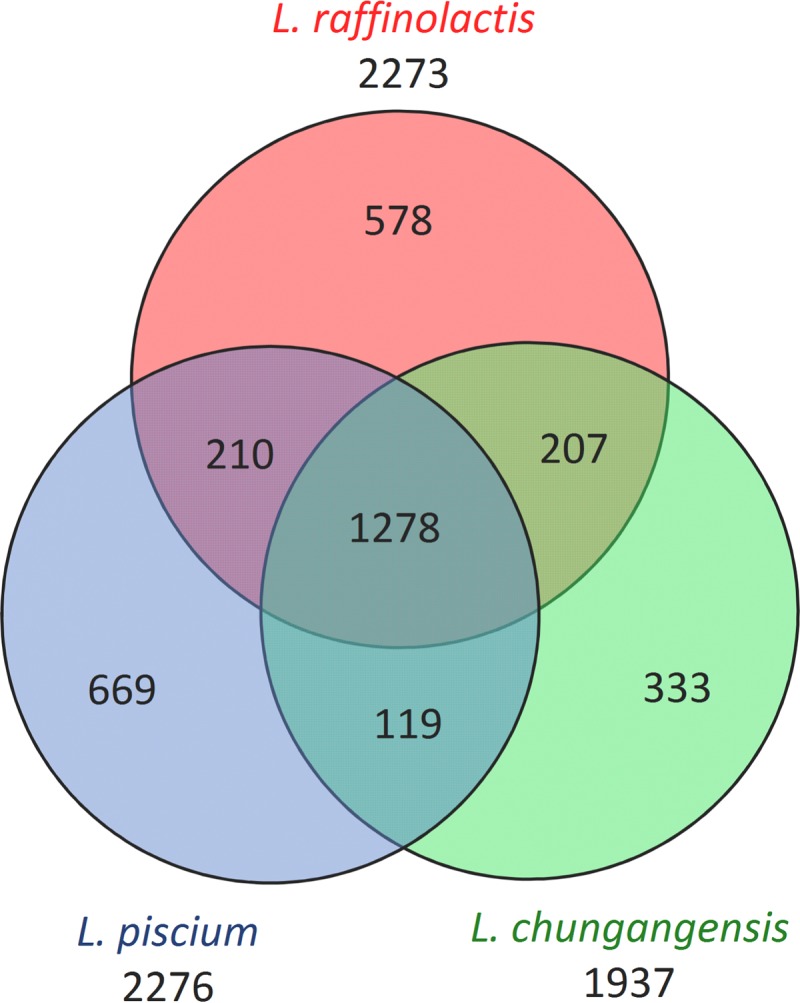
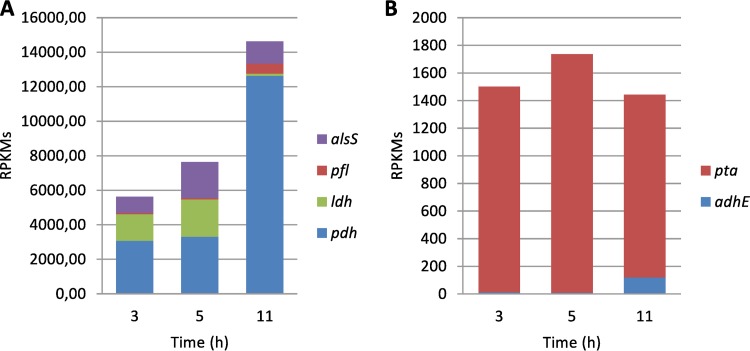
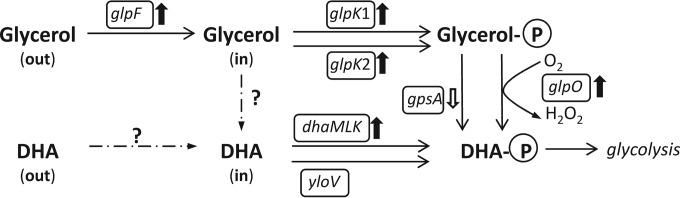
Lactococcus piscium is a psychrotrophic lactic acid bacterium and is known to be one of the predominant species within spoilage microbial communities in cold-stored packaged foods, particularly in meat products. Its presence in such products has been associated with the formation of buttery and sour off-odors. Nevertheless, the spoilage potential of L. piscium varies dramatically depending on the strain and growth conditions. Additional knowledge about the genome is required to explain such variation, understand its phylogeny, and study gene functions. Here, we present the complete and annotated genomic sequence of L. piscium MKFS47, combined with a time course analysis of the glucose catabolism-based transcriptome. In addition, a comparative analysis of gene contents was done for L. piscium MKFS47 and 29 other lactococci, revealing three distinct clades within the genus. The genome of L. piscium MKFS47 consists of one chromosome, carrying 2,289 genes, and two plasmids. A wide range of carbohydrates was predicted to be fermented, and growth on glycerol was observed. Both carbohydrate and glycerol catabolic pathways were significantly upregulated in the course of time as a result of glucose exhaustion. At the same time, differential expression of the pyruvate utilization pathways, implicated in the formation of spoilage substances, switched the metabolism toward a heterofermentative mode. In agreement with data from previous inoculation studies, L. piscium MKFS47 was identified as an efficient producer of buttery-odor compounds under aerobic conditions. Finally, genes and pathways that may contribute to increased survival in meat environments were considered.
Copyright © 2015, American Society for Microbiology. All Rights Reserved.
Figures
References
-
- Nieminen TT, Vihavainen E, Paloranta A, Lehto J, Paulin L, Auvinen P, Solismaa M, Björkroth KJ. 2011. Characterization of psychrotrophic bacterial communities in modified atmosphere-packed meat with terminal restriction fragment length polymorphism. Int J Food Microbiol 144:360–366. doi: 10.1016/j.ijfoodmicro.2010.10.018. - DOI - PubMed
-
- Pothakos V. 2014. Psychrotrophic lactic acid bacteria (LAB) as a source of fast spoilage occurring on packaged and cold-stored food products. Ph.D. thesis Ghent University, Ghent, Belgium.
Publication types
MeSH terms
Substances
Associated data
- Actions
- Actions
- Actions
LinkOut - more resources
Full Text Sources
