


Leukocyte inclusion within a platelet rich plasma-derived fibrin scaffold stimulates a more pro-inflammatory environment and alters fibrin properties
- PMID: 25823008
- PMCID: PMC4379078
- DOI: 10.1371/journal.pone.0121713
Leukocyte inclusion within a platelet rich plasma-derived fibrin scaffold stimulates a more pro-inflammatory environment and alters fibrin properties
Abstract
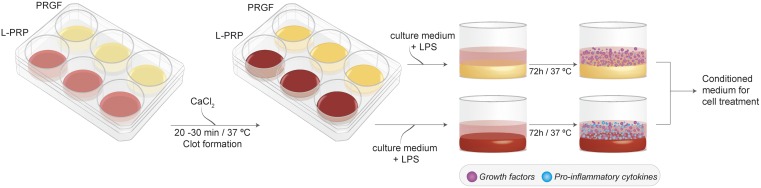
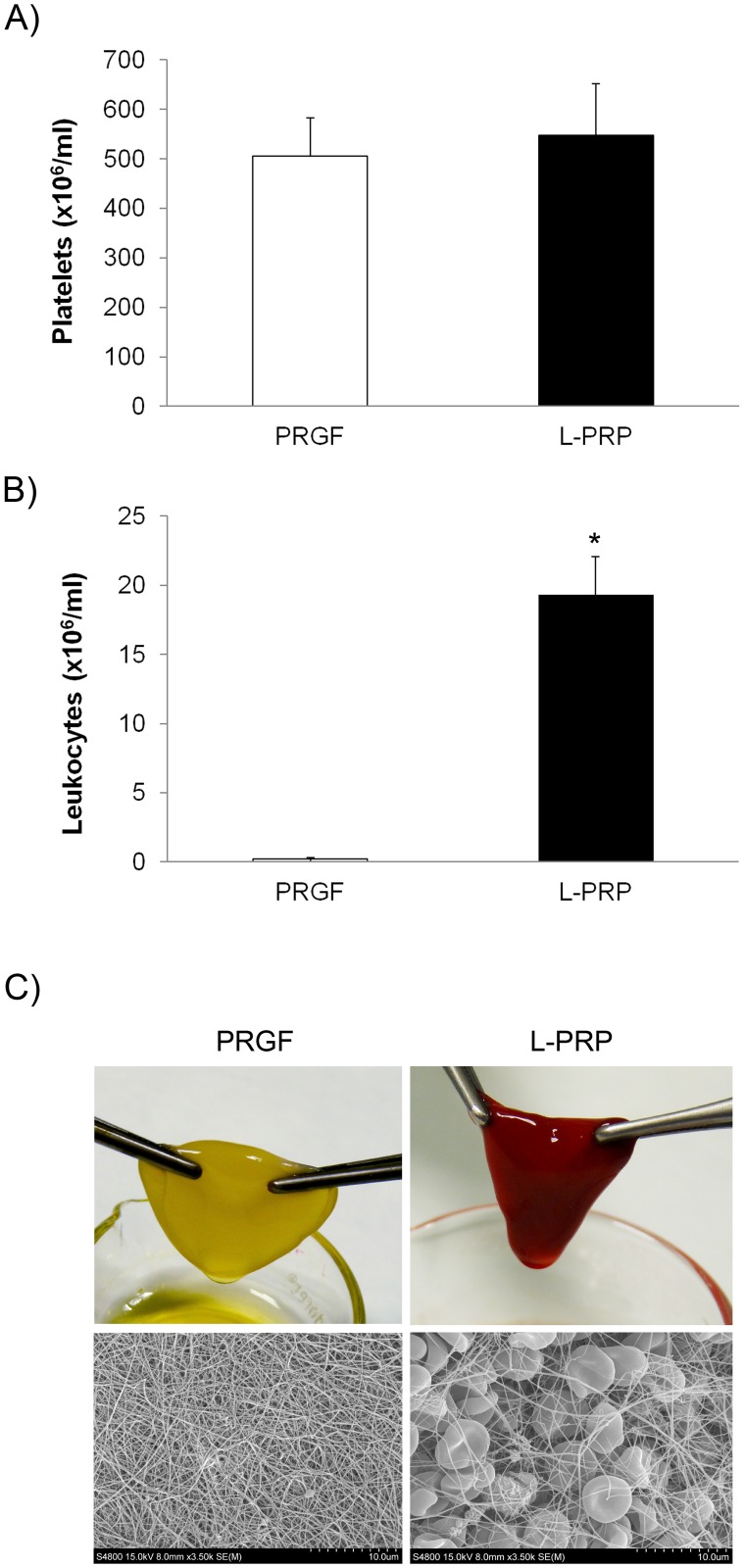
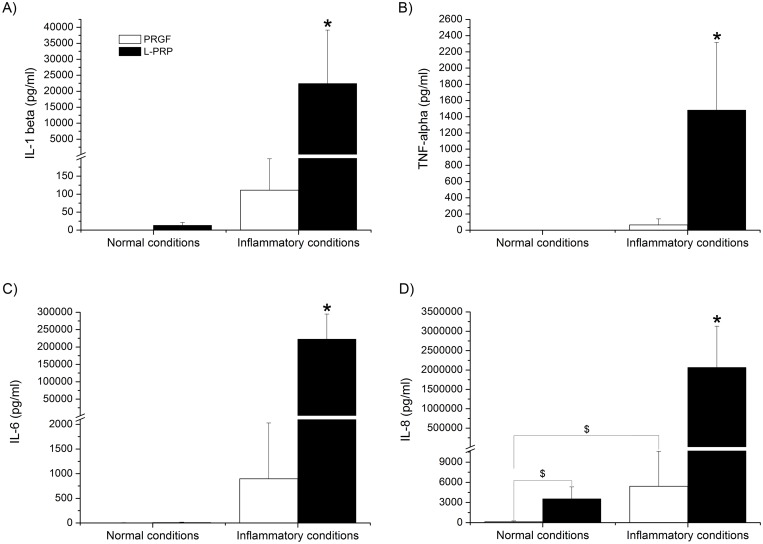
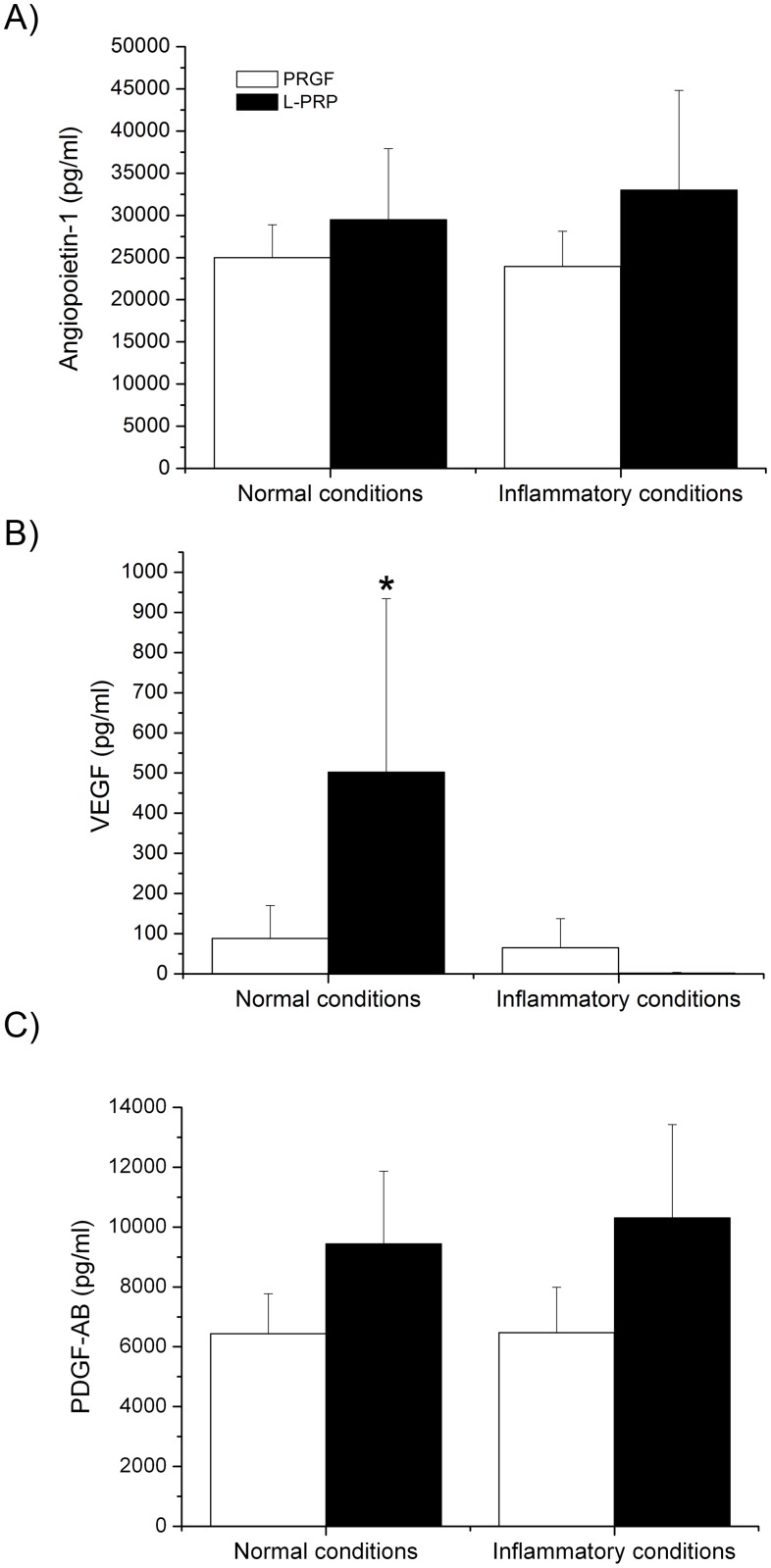
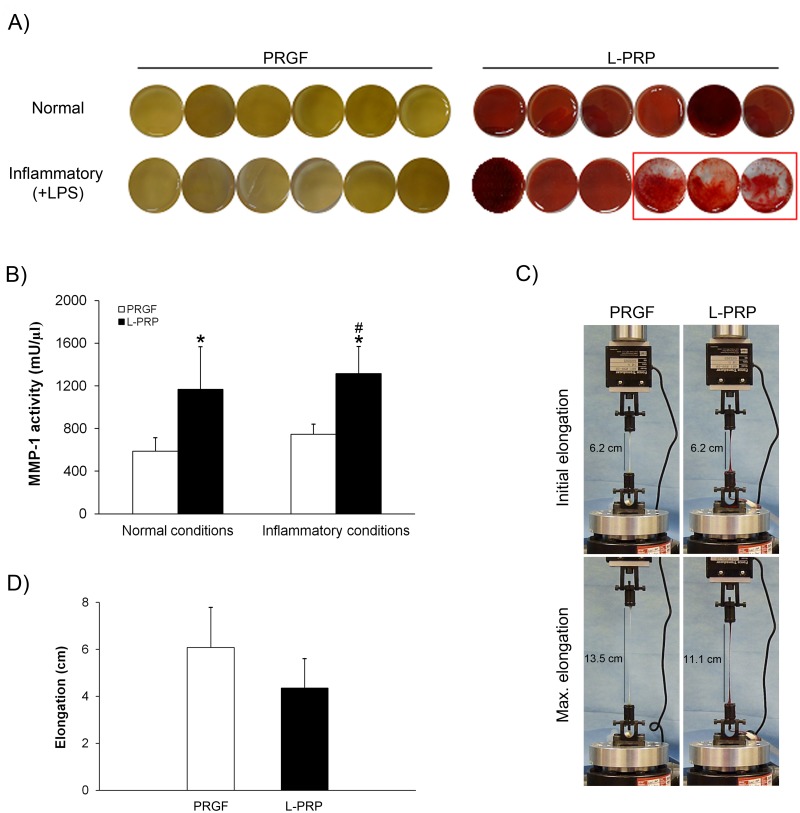
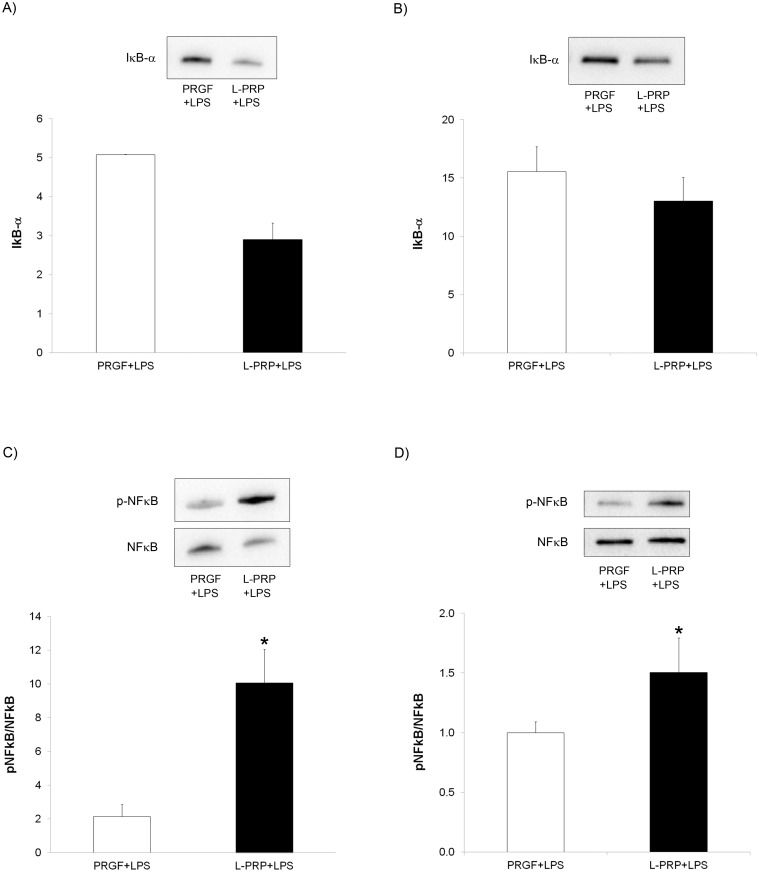
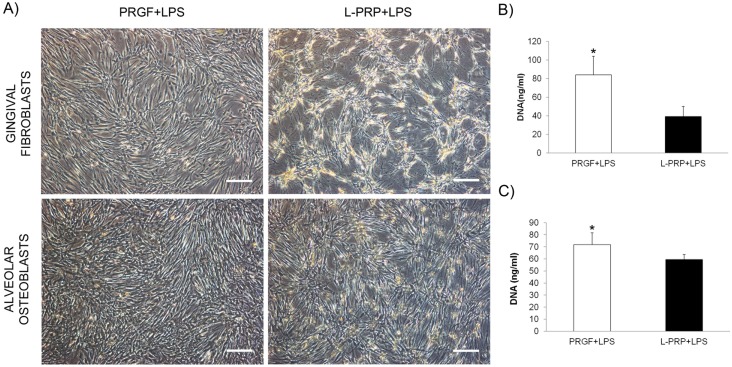
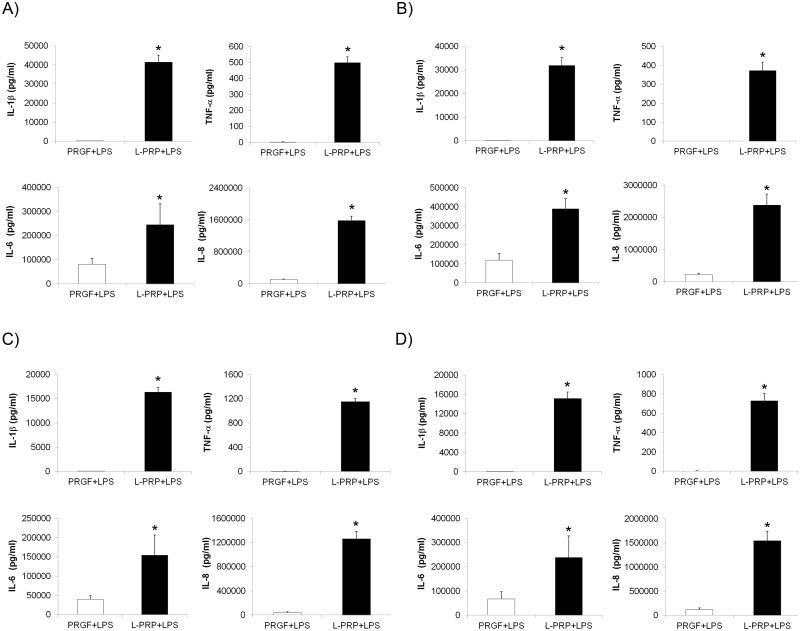
One of the main differences among platelet-rich plasma (PRP) products is the inclusion of leukocytes that may affect the biological efficacy of these autologous preparations. The purpose of this study was to evaluate whether the addition of leukocytes modified the morphological, biomechanical and biological properties of PRP under normal and inflammatory conditions. The release of pro-inflammatory cytokines from plasma rich in growth factors (PRGF) and leukocyte-platelet rich plasma (L-PRP) scaffolds was determined by enzyme-linked immunosorbent assay (ELISA) and was significantly increased under an inflammatory condition when leukocytes were included in the PRP. Fibroblasts and osteoblasts treated with L-PRP, under an inflammatory situation, underwent a greater activation of NFĸB pathway, proliferated significantly less and secreted a higher concentration of pro-inflammatory cytokines. These cellular events were assessed through Western blot and fluorimetric and ELISA methods, respectively. Therefore, the inclusion of leukocytes induced significantly higher pro-inflammatory conditions.
Conflict of interest statement
Figures
References
-
- Humes HD (2005) Translational medicine and the National Institutes of Health road map: steep grades and tortuous curves. J Lab Clin Med 146: 51–54. - PubMed
-
- Crovetti G, Martinelli G, Issi M, Barone M, Guizzardi M, Campanati B, et al. (2004) Platelet gel for healing cutaneous chronic wounds. Transfus Apher Sci 30: 145–151. - PubMed
Publication types
MeSH terms
Substances
LinkOut - more resources
Full Text Sources
Other Literature Sources
Research Materials
