A randomized controlled prospective study comparing a low dose bupivacaine and fentanyl mixture to a conventional dose of hyperbaric bupivacaine for cesarean section
- PMID: 25829897
- PMCID: PMC4374214
- DOI: 10.4103/1658-354X.152827
A randomized controlled prospective study comparing a low dose bupivacaine and fentanyl mixture to a conventional dose of hyperbaric bupivacaine for cesarean section
Abstract
Context: Hormonal and mechanical factors make obstetric patients need strict dose calculations of local anesthetics intrathecally for spinal anesthesia. Any greater dose of local anesthetics can cause hemodynamic instability, maternal morbidity and any lesser dose can produce inadequate block. Hence, we hypothesized in our study that by using low dose of bupivacaine with fentanyl can maintain stable hemodynamics and provide better analgesia.
Aim: The aim was to compare the hemodynamics and duration of analgesia using a low dose (7.5 mg) bupivacaine fentanyl mixture to a conventional dose (10 mg) of hyperbaric bupivacaine for cesarean section.
Settings and design: Double-blinded, randomized, controlled prospective study was conducted at a tertiary academic hospital from 2008 to 2011.
Materials and methods: Fifty singleton parturient, scheduled for elective caesarean section were randomly allocated into two groups. Study group (group-S) received a combination of 25 μg fentanyl and 7.5 mg of hyperbaric bupivacaine, whereas the control group (group-C) received 10 mg of hyperbaric bupivacaine. Maternal hemodynamics, sensory and motor block, duration of analgesia and the Apgar score of the newborn were compared between the groups.
Statistical analysis used: Observational descriptive statistics, statistical package for social sciences (SPSS Inc. Released 2006, SPSS for Windows, Version 15.0. Chicago), paired t-test was used as applicable.
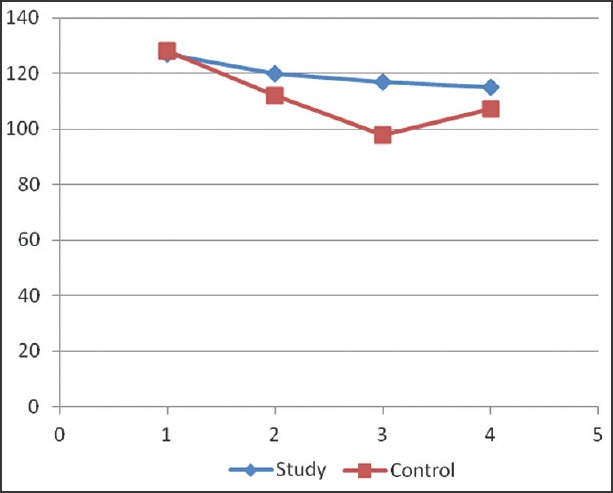
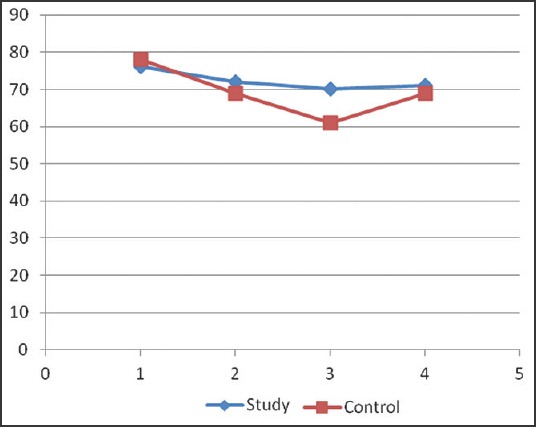
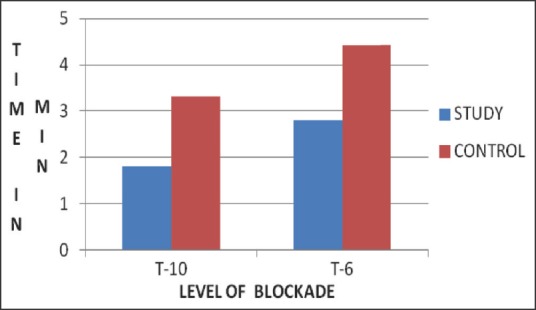
Results: The blood pressure significantly decreased with >25% fall from the baseline in group-C (98.76 ± 8.36) than in group-S (117.32 ± 12.21) with P < 0.001. The duration of effective analgesia was significantly prolonged in the study group than in the control group (P < 0.001).
Conclusion: The combination of low dose bupivacaine and fentanyl in comparison to bupivacaine alone is hemodynamically stable and prolonged duration of analgesia in caesarean section.
Keywords: Anesthesia spinal; anesthetics; apgar score; cesarean section; fentanyl; local.
Conflict of interest statement
Figures
References
-
- McCrae AF, Wildsmith JA. Prevention and treatment of hypotension during central neural block. Br J Anaesth. 1993;70:672–80. - PubMed
-
- Hug CC Jr, Murphy MR. Tissue redistribution of fentanyl and termination of its effects in rats. Anesthesiology. 1981;55:369–75. - PubMed
-
- Moller RA, Covino BG. Effect of progesterone on the cardiac electrophysiologic alterations produced by ropivacaine and bupivacaine. Anesthesiology. 1992;77:735–41. - PubMed