


Comparison of three different techniques of low-dose-rate seed implantation for prostate cancer
- PMID: 25829930
- PMCID: PMC4371061
- DOI: 10.5114/jcb.2015.48603
Comparison of three different techniques of low-dose-rate seed implantation for prostate cancer
Abstract
Purpose: Three different techniques of low-dose-rate seed implantation for prostate cancer have been used since its use started in our hospital. The purpose of this study was to compare the results of the three different techniques.
Material and methods: The data of 305 prostate cancer patients who underwent low-dose-rate seed implantation were retrospectively analyzed. Pre-plan technique (n = 27), intraoperative pre-plan technique (n = 86), and interactive plan technique (n = 192) were tried in chronological order. The prescribed dose was set at 145 Gy.
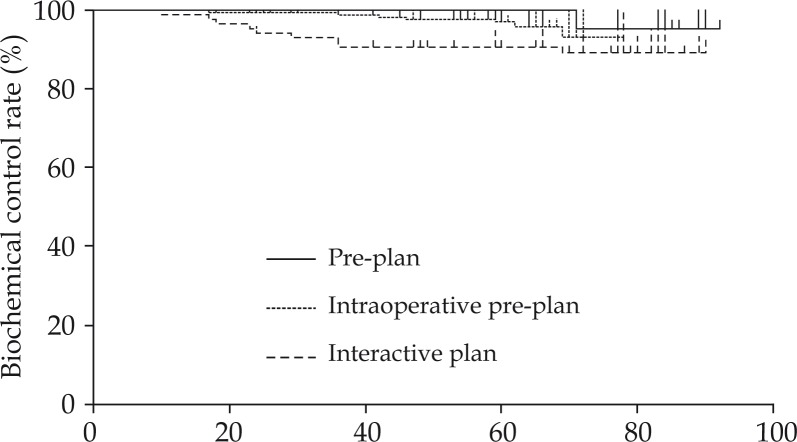
Results: Median follow-up was 66 months (range: 12-94 months). The 5-year biochemical control rate was 95.5% (pre-plan group: 100%, intraoperative pre-plan group: 90.7%, interactive plan group: 97.0%; p = 0.08). Dosimetric parameters were generally increased from the pre-plan group to the interactive group. The differences in some dosimetric parameters between the planning phase and the CT analysis were significantly reduced with the interactive plan compared to the other techniques. The interactive plan showed a significant reduction of the seed migration rate compared to the two other groups. Acute genitourinary toxicity, acute gastrointestinal toxicity, frequency, and urinary retention increased gradually from the pre-plan period to the interactive plan period.
Conclusions: There was no significant difference in biochemical control among the three groups. Dose-volume parameters were increased from the pre-plan technique to the interactive plan technique. However, this may not necessarily be due to technical improvements, since dose escalation was started during the same period. Lower seed migration rates and the smaller differences between the planning phase and CT analysis with the interactive plan technique suggest the superiority of this technique to the two other techniques.
Keywords: interactive plan; intraoperative pre-plan; low-dose-rate; pre-plan; prostate cancer; seed implantation.
Figures
References
-
- Stock RG, Stone NN, Wesson MF, et al. A modified technique allowing interactive ultrasound-guided three-dimensional transperineal prostate implantation. Int J Radiat Oncol Biol Phys. 1995;32:219–225. - PubMed
-
- Roach M, 3rd, Hanks G, Thames H, Jr, et al. Defining biochemical failure following radiotherapy with or without hormonal therapy in men with clinically localized prostate cancer: Recommendations of the rtog-astro phoenix consensus conference. Int J Radiat Oncol Biol Phys. 2006;65:965–974. - PubMed
-
- Cox JD, Stetz J, Pajak TF. Toxicity criteria of the Radiation Therapy Oncology Group (RTOG) and the European Organization for Research and Treatment of Cancer (EORTC) Int J Radiat Oncol Biol Phys. 1995;31:1341–1346. - PubMed
LinkOut - more resources
Full Text Sources
Other Literature Sources
