


Comparison of four diagnostic methods for detection of methicillin resistant Staphylococcus aureus
- PMID: 25848525
- PMCID: PMC4385575
Comparison of four diagnostic methods for detection of methicillin resistant Staphylococcus aureus
Abstract
Background and objectives: Methicillin-resistant Staphylococcus aureus (MRSA) is a well-known pathogen with a worldwide distribution. Given the increasing rate of MRSA infections, implementing of reliable, accurate and rapid testing for diagnosis of MRSA is necessary. The aim of this study was to compare four diagnostic methods for detection of MRSA isolates.
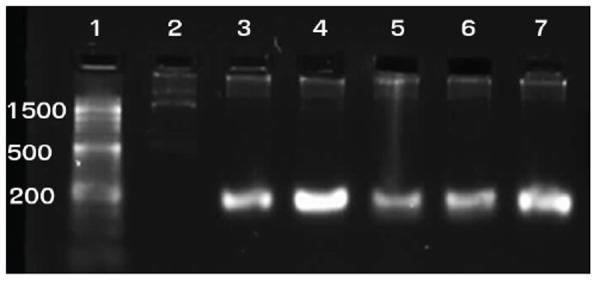
Materials and methods: From December 2012 to April 2014, 120 S. aureus isolates were collected from three hospitals affiliated with Tehran University of Medical Sciences. MRSA isolates were detected by four different methods including cefoxitin disc diffusion test, oxacillin disc diffusion test, minimum inhibitory concentration (MIC) of oxacillin as determined by MIC test strip, and mecA detection by PCR.
Results: Out of 120 S. aureus isolates, cefoxitin disc diffusion test, oxacillin disc diffusion test and MIC test strip identified 60 (50%), 48 (40%), 55 (45.83%) isolates as MRSA, respectively. The sensitivity and specificity for oxacillin disc diffusion, cefoxitin disc diffusion and MIC of oxacillin were 80% and 100%, 100% and 100%, and 91.6% and 100%, respectively.
Conclusion: Cefoxitin disc diffusion test is reliable substitute for detection of MRSA in clinical laboratory where MIC detection and molecular methods are not accessible.
Keywords: Methicillin resistance; Microbial sensitivity tests; Staphylococcus aureus.
Figures
References
-
- Mediavilla JR, Chen L, Mathema B, Kreiswirth BN. Global epidemiology of community-associated methicillin resistant Staphylococcus aureus (CA-MRSA) Curr Oppin Microbial. 2012;15:588–595. - PubMed
-
- Stafani S, Chung DR, Lindsay JA, Friedrich AW, Kearns AW, Westh H, et al. Meticillin-Resistant Staphylococcus aureus (MRSA): Global epidemiology and harmonisation of typing methods. Int J Antimicrobial Agent. 2012;39:273–283. - PubMed
-
- Cosqrove SE, Qi Y, Kays KS, Herbarth S, Karchmar AW, Carmeli Y. The impact of methicillin resistance in Staphylococcus aureus bacteremia on patient outcomes: mortality, length of stay, and hospital charges. Infect ontrol Hosp Epidemiol. 2005;56:166–174. - PubMed
-
- Deurenberg R, Vink C, Kalanic S, Fariedrich AW, Bruggeman CA, Stobberingh EE. The molecular evolution of methicillin-resistant Staphylococcus aureus. Clin Microbiol Infect. 2007;13:222–235. - PubMed
-
- Grundmann H, Aires-de-Sousa M, Boyce J, Tiemersma E. Emergence and resurgence of meticillin-resistant Staphylococcus aureusas a public-health threat. Lancet. 2006;368:874–85. - PubMed
LinkOut - more resources
Full Text Sources
Miscellaneous