. 2015 Apr 7:6:6717.
doi: 10.1038/ncomms7717.

Eighteenth-century genomes show that mixed infections were common at time of peak tuberculosis in Europe

Affiliations

Eighteenth-century genomes show that mixed infections were common at time of peak tuberculosis in Europe

Gemma L Kay et al. Nat Commun. .

Abstract

Tuberculosis (TB) was once a major killer in Europe, but it is unclear how the strains and patterns of infection at 'peak TB' relate to what we see today. Here we describe 14 genome sequences of M. tuberculosis, representing 12 distinct genotypes, obtained from human remains from eighteenth-century Hungary using metagenomics. All our historic genotypes belong to M. tuberculosis Lineage 4. Bayesian phylogenetic dating, based on samples with well-documented dates, places the most recent common ancestor of this lineage in the late Roman period. We find that most bodies yielded more than one M. tuberculosis genotype and we document an intimate epidemiological link between infections in two long-dead individuals. Our results suggest that metagenomic approaches usefully inform detection and characterization of historical and contemporary infections.


Figures
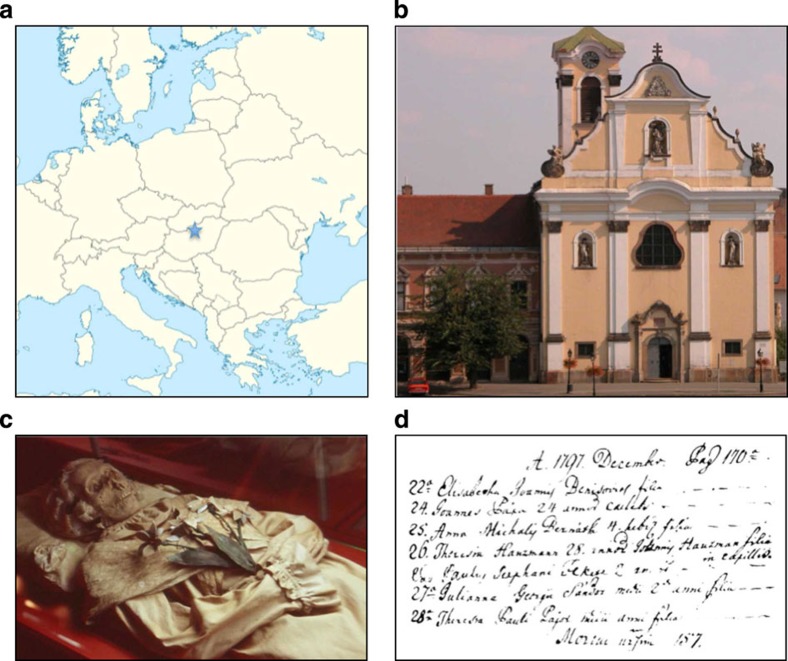
Figure 1
Figure 1. Source of eighteenth century M. tuberculosis genomes.
(a) Location of Vác, Hungary. (b) Dominican church housing Vác mummies (©András Tumbász). (c) Mummified remains of Terézia Hausmann (©Hungarian Natural History Museum). (d) Record of Terézia Hausmann's death (©Hungarian Natural History Museum).
Figure 2
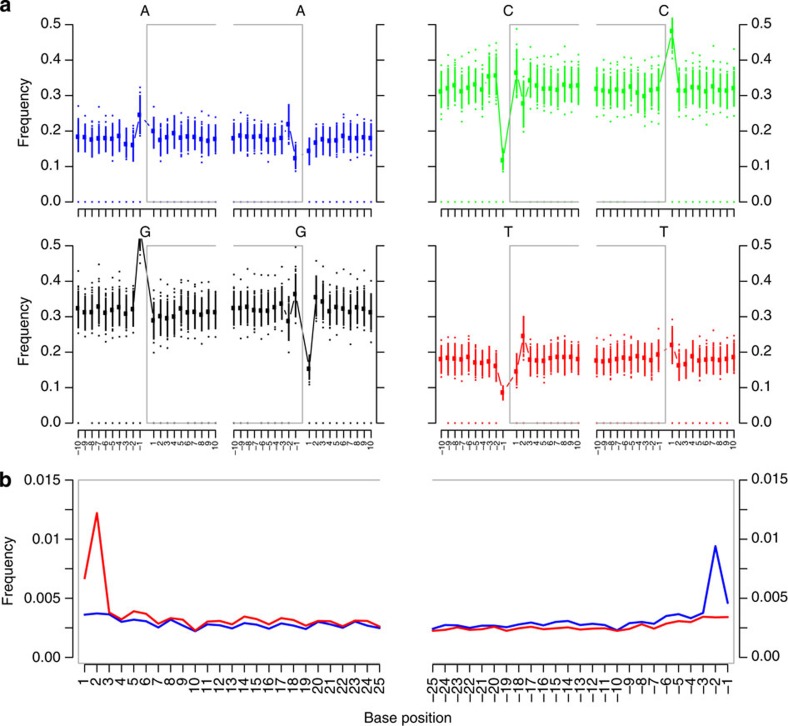
Figure 2. Signatures of DNA damage associated with aged DNA.
These data from body 28 are representative of all eighteenth-century samples. (a) The four panels show the average base frequencies at positions within individual reads (grey box) flanked by all calls from reads in neighbouring sequences. (b) Frequencies of specific base substitutions at specific positions near the 5′-end (left panel) and 3′-end (right panel) occurring within reads. C to T changes are indicated by a red line, and G to A changes by a blue line.
Figure 3
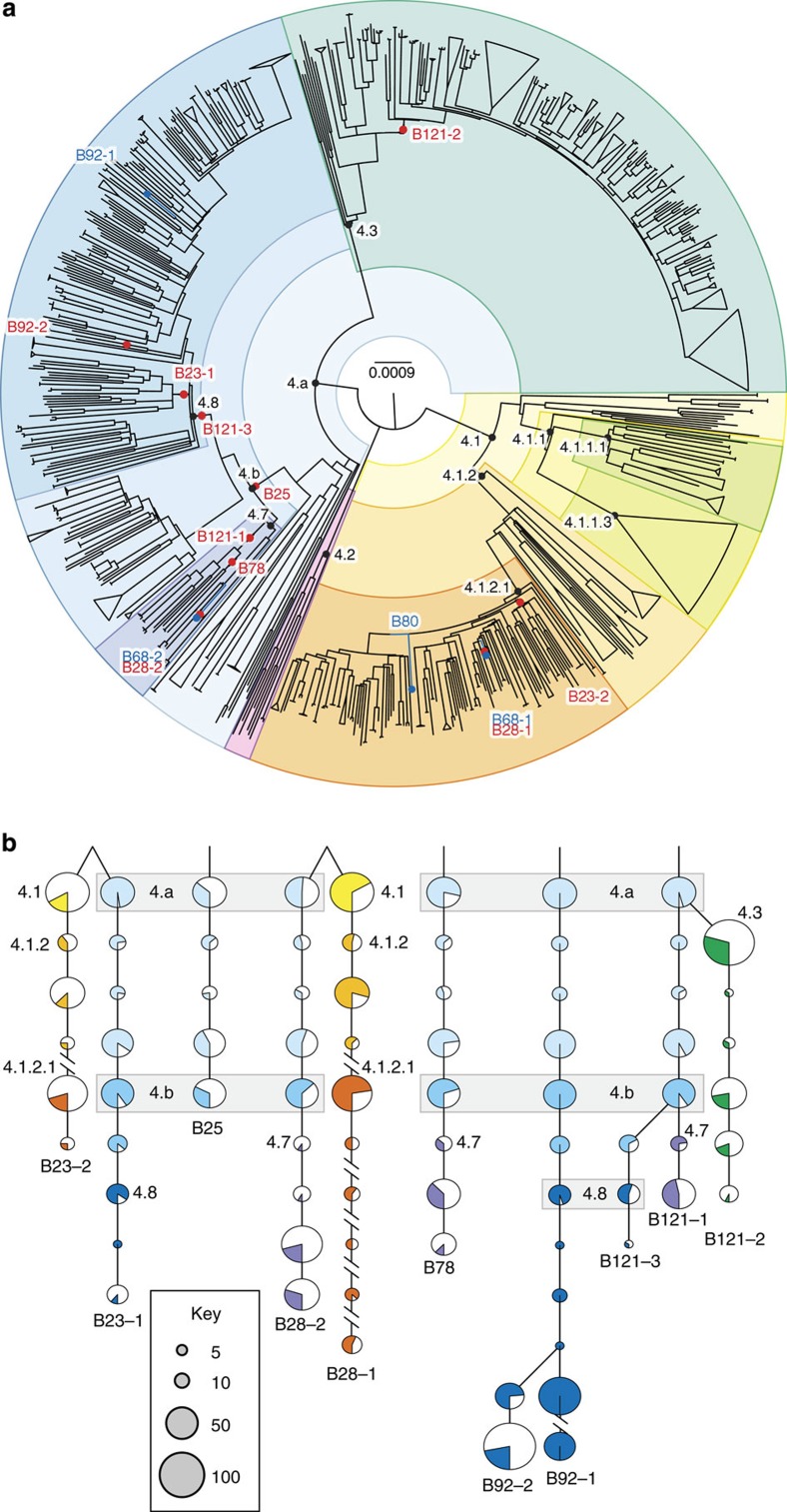
Figure 3. Phylogeny of modern and eighteenth-century M. tuberculosis Lineage 4 genotypes.
(a) Maximum-likelihood tree of 1,582 modern Lineage 4 genotypes and four high-coverage historical genotypes (B68-1, B68-2, B80 and B92-1; blue lines with dots at the tips; details in Supplementary Data 2). The tree was rooted using a Beijing genotype (not shown). Ten additional low-coverage historical genotypes were mapped to the tree with MGplacer (red nodes). Lineages and sub-lineages used for dating (Supplementary Table 3) are indicated by black nodes and coloured segments. (b) Topological representation of phylogenetic paths through nodes outwards from the root (top) for ten low-coverage historical genotypes; pie-charts show SNVs recovered per node (coloured segment) from each low-coverage genome as a proportion of all polymorphic sites defining that node according to MGplacer.
Figure 4
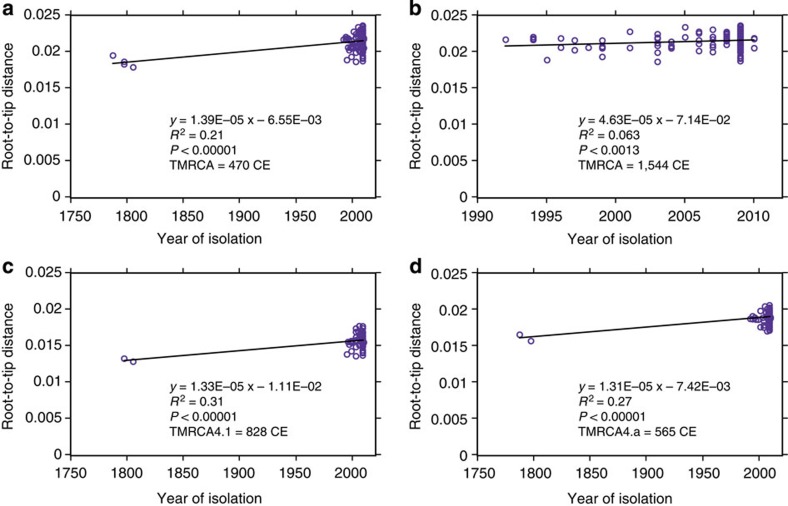
Figure 4. Linear regression plots of root-to-tip distances according to Path-O-Gen (http://tree.bio.ed.ac.uk/software/pathogen/).
(a) All 165 genotypes in Lineage 4, including four high-coverage eighteenth-century genomes. (b) Only the 161 modern isolates. (c) Genotypes from sub-lineage 4.1. (d) Genotypes from sub-lineage 4.a.
Figure 5
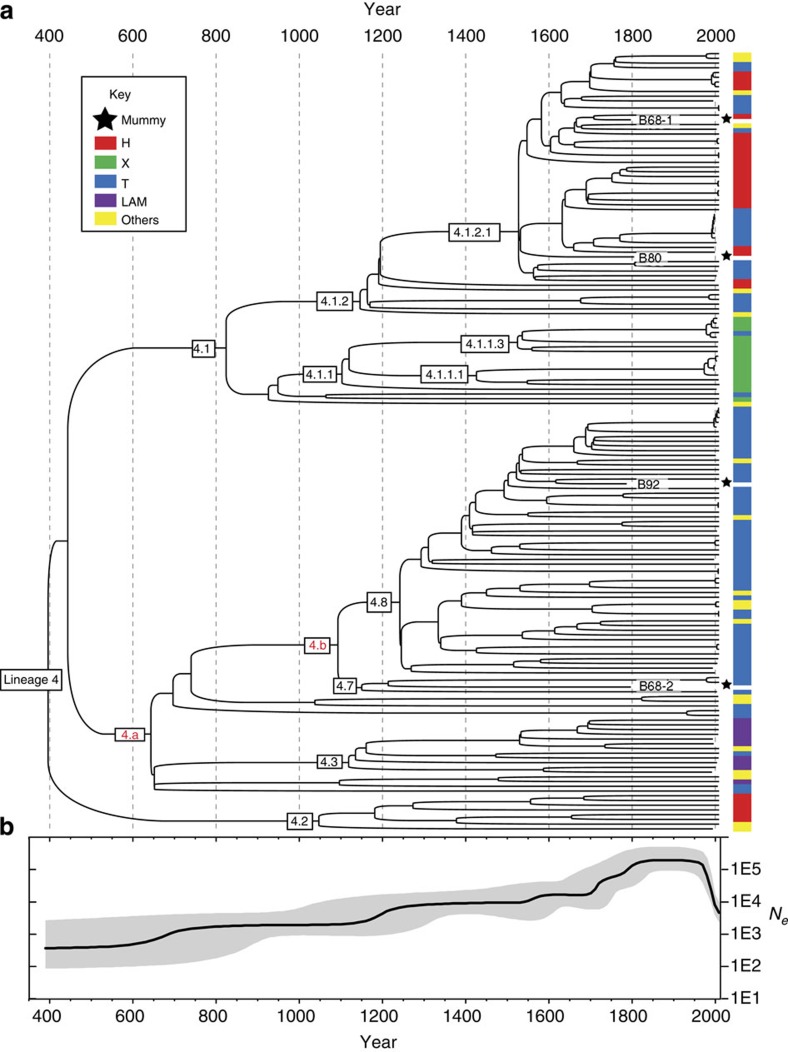
Figure 5. Bayesian phylogeny and population dynamics of 165 genotypes from Lineage 4, calibrated with four high-coverage eighteenth-century genotypes.
SNPs in the non-repetitive core genome (Supplementary Data 1) were analysed with BEAST using UCLD clock rate and a Bayesian Skyline with 30 steps (details in Supplementary Table 4). (a) Maximum clade credibility tree with nodes (boxes) labelled according to the hierarchical nomenclature of Coll et al., with two additional nodes 4.a and 4.b. Supplementary Table 2 summarizes the dating estimates for nodes. Short branches corresponding to four historical genotypes are labelled by name and highlighted by asterisks. Coloured boxes show broad spoligotype groupings for modern isolates, illustrating the paraphyletic nature of these groups (details in Supplementary Fig. 3). (b) Bayesian skyline plot showing changes over time in effective population size, Ne (in black) since 396 CE, with 95% confidence intervals in grey.

References

    1. Koch R. Die Aetiologie der Tuberkulose. Berl. Klin. Wochenschr. 19, 221–230 (1882) .
    1. Comas I. et al. Out-of-Africa migration and Neolithic coexpansion of Mycobacterium tuberculosis with modern humans. Nature Genet. 45, 1176–1182 (2013) . - PMC - PubMed
    1. Bos K. I. et al. Pre-Columbian mycobacterial genomes reveal seals as a source of New World human tuberculosis. Nature 514, 494–497 (2014) . - PMC - PubMed
    1. Donoghue H. D. Insights into ancient leprosy and tuberculosis using metagenomics. Trends Microbiol. 21, 448–450 (2013) . - PubMed
    1. Chan J. Z. et al. Metagenomic analysis of tuberculosis in a mummy. N. Engl. J. Med. 369, 289–290 (2013) . - PubMed

Publication types

MeSH terms

Associated data