


Impacts of gut bacteria on human health and diseases
- PMID: 25849657
- PMCID: PMC4425030
- DOI: 10.3390/ijms16047493
Impacts of gut bacteria on human health and diseases
Abstract
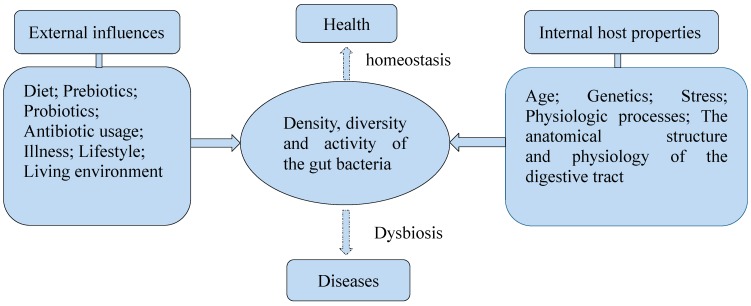
Gut bacteria are an important component of the microbiota ecosystem in the human gut, which is colonized by 1014 microbes, ten times more than the human cells. Gut bacteria play an important role in human health, such as supplying essential nutrients, synthesizing vitamin K, aiding in the digestion of cellulose, and promoting angiogenesis and enteric nerve function. However, they can also be potentially harmful due to the change of their composition when the gut ecosystem undergoes abnormal changes in the light of the use of antibiotics, illness, stress, aging, bad dietary habits, and lifestyle. Dysbiosis of the gut bacteria communities can cause many chronic diseases, such as inflammatory bowel disease, obesity, cancer, and autism. This review summarizes and discusses the roles and potential mechanisms of gut bacteria in human health and diseases.
Figures
References
Publication types
MeSH terms
LinkOut - more resources
Full Text Sources
Other Literature Sources
Research Materials
