Review
. 2015 Apr 8;86(1):187-206.
doi: 10.1016/j.neuron.2015.03.002.

Moving stem cells to the clinic: potential and limitations for brain repair

Affiliations
Review

Moving stem cells to the clinic: potential and limitations for brain repair

Julius A Steinbeck et al. Neuron. .

Abstract

Stem cell-based therapies hold considerable promise for many currently devastating neurological disorders. Substantial progress has been made in the derivation of disease-relevant human donor cell populations. Behavioral data in relevant animal models of disease have demonstrated therapeutic efficacy for several cell-based approaches. Consequently, cGMP grade cell products are currently being developed for first in human clinical trials in select disorders. Despite the therapeutic promise, the presumed mechanism of action of donor cell populations often remains insufficiently validated. It depends greatly on the properties of the transplanted cell type and the underlying host pathology. Several new technologies have become available to probe mechanisms of action in real time and to manipulate in vivo cell function and integration to enhance therapeutic efficacy. Results from such studies generate crucial insight into the nature of brain repair that can be achieved today and push the boundaries of what may be possible in the future.


Figures

Figure 1
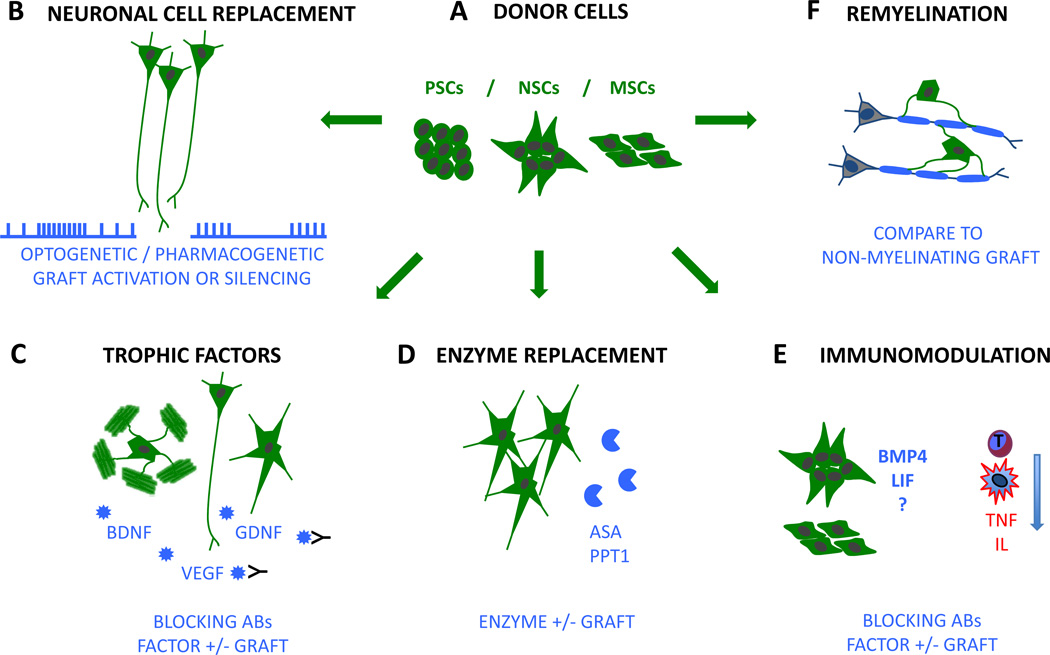
Figure 1. Mechanisms of stem cell-based brain repair
A, neural cells derived from pluripotent stem cells (PSCs) as well as adult neural stem cells (NSCs) and mesenchymal stem cells (MSCs) are used for therapeutic purposes. B, donor neurons may drive repair by neuronal cell replacement and integration into host networks. Network integration can be tested by optogenetic or pharmacogenetic manipulation of the graft. C, various neural and non-neural donor populations may release therapeutic factors (such as BDNF, GDNF, VEGF) to promote recovery in the host brain. Trophic effects could be assessed using blocking antibodies (black) or by engineering grafts, which overexpress a candidate factor or are deficient in it. D, astroglial cells have been used for the delivery of missing enzymes in metabolic disorders. The effect of enzyme replacement can be assessed by engineering grafts that overexpress an enzyme or are deficient in it (e.g. ASA or PPT1). E, the immune response of the host (depicted in red, e.g. T-cell response, microglia, TNF or interleukins) can be modulated by NSC as well as MSC transplantation. Factors mediating these effects are largely unknown (?) but secretion of BMP4 and leukemia inhibitory factor (LIF) has been implicated. F, transplanted oligodendrocytes have been shown to re-myelinate endogenous axons. The effect of re-myelination could be assessed by comparing the effect to a non-myelinating graft. Donor cells are depicted in green. Proposed therapeutic mechanisms and experimental strategies to test for such mechanisms are depicted in blue.
Figure 2
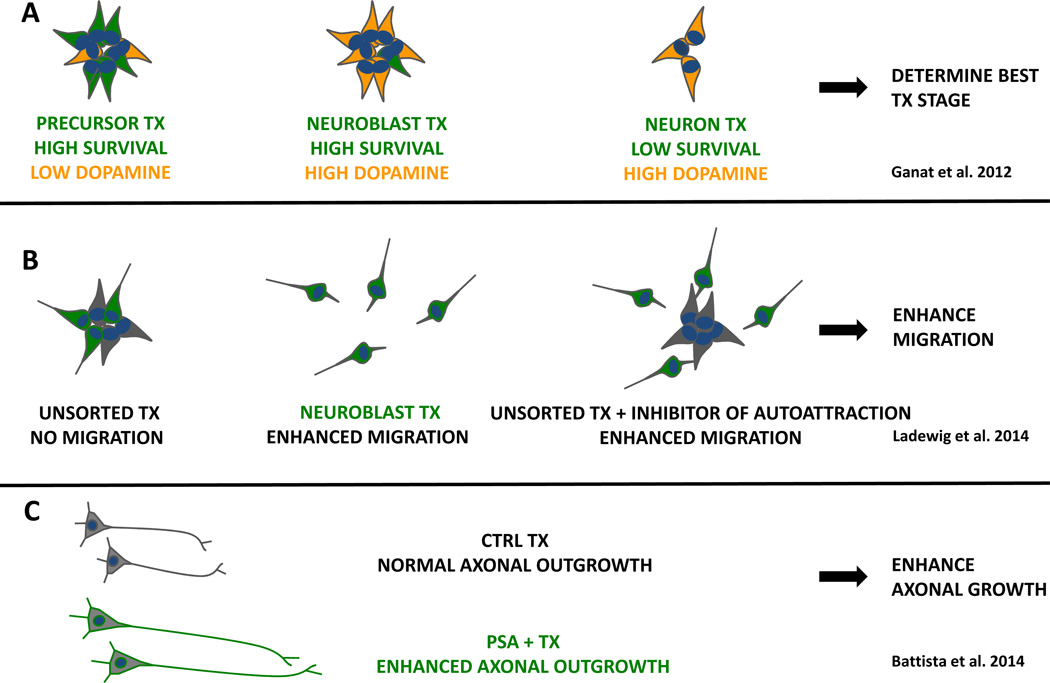
Figure 2. Strategies to enhance structural integration
A, Grafts of developmentally distinct dopaminergic populations were compared. Transplantations (TX) of neural precursors, neuroblasts and mature neurons varied with respect to survival and dopamine neuron content. B, mixed grafts of NSCs (grey) and neuroblasts (green) form clusters, whereas pure neuroblasts migrated into the host brain. In mixed grafts, chemoattraction of neuroblasts to NSCs can be overcome by blocking FGF and VEGF pathways. C, axonal outgrowth into the host brain and therapeutic efficacy can be enhanced by expression of polysialyltransferase (PST) in grafted neurons.
Figure 3
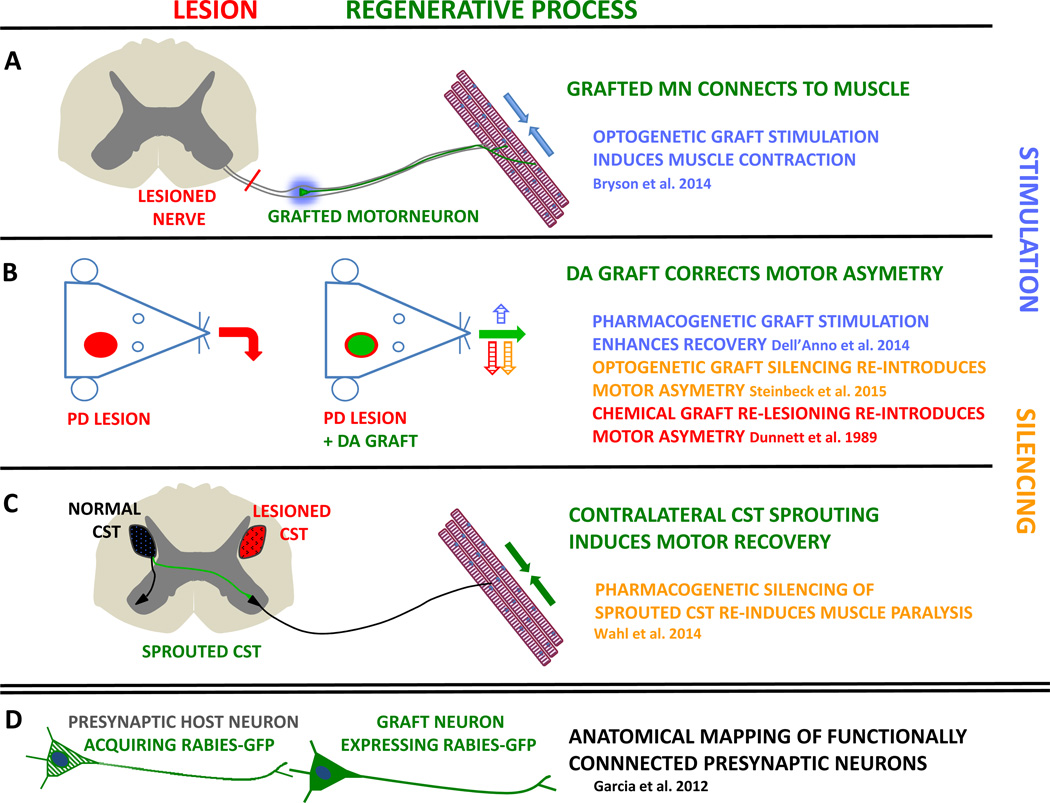
Figure 3. Strategies to assess neuronal graft-to-host connectivity
For functional experiments optogenetic or pharmacogenetic strategies have been used to stimulate (blue) or silence (orange) donor cells after recovery in behavioral experiments. The initial lesion is depicted in red and the regenerative mechanism in green. A, Spinal motoneurons were injected into the crushed sciatic nerve of mice and donor axons reconnected to limb muscles. Blue light optogenetic stimulation of the graft induced muscle contractions in the leg. B, in a Parkinson’s disease (PD) model with unilateral lesions, dopamine (DA) grafts correct the movement asymmetry. Pharmacogenetic graft stimulation enhances recovery whereas optogenetic graft silencing re-introduces the previous deficit, mimicking the effect chemical re-lesioning. C, rats with unilateral cortico-spinal tract (CST) lesions were subjected to a combination therapy to enhance axonal sprouting (green) from the contralateral CST. This therapy induced motor recovery in the impaired paw. Pharmacogenetic silencing of the new connection resulted in muscle paralysis, demonstrating that axonal sprouting from the healthy CST drives recovery. D, grafted neurons infected with a GFP-tagged rabies virus transfer rabies-GFP (green) to presynaptic host neurons in vivo, thereby revealing the upstream functional connectome of the graft.

References

    1. AlDakheel A, Kalia LV, Lang AE. Pathogenesis-targeted, disease-modifying therapies in Parkinson disease. Neurotherapeutics : the journal of the American Society for Experimental NeuroTherapeutics. 2014;11:6–23. - PMC - PubMed
    1. Amamoto R, Arlotta P. Development-inspired reprogramming of the mammalian central nervous system. Science. 2014;343:1239882. - PMC - PubMed
    1. Amariglio N, Hirshberg A, Scheithauer BW, Cohen Y, Loewenthal R, Trakhtenbrot L, Paz N, Koren-Michowitz M, Waldman D, Leider-Trejo L, et al. Donor-derived brain tumor following neural stem cell transplantation in an ataxia telangiectasia patient. PLoS medicine. 2009;6:e1000029. - PMC - PubMed
    1. Ambasudhan R, Talantova M, Coleman R, Yuan X, Zhu S, Lipton SA, Ding S. Direct reprogramming of adult human fibroblasts to functional neurons under defined conditions. Cell stem cell. 2011;9:113–118. - PMC - PubMed
    1. Amoroso MW, Croft GF, Williams DJ, O’Keeffe S, Carrasco MA, Davis AR, Roybon L, Oakley DH, Maniatis T, Henderson CE, Wichterle H. Accelerated high-yield generation of limb-innervating motor neurons from human stem cells. The Journal of neuroscience : the official journal of the Society for Neuroscience. 2013;33:574–586. - PMC - PubMed

Publication types