. 2015 Apr 15;10(4):e0122889.
doi: 10.1371/journal.pone.0122889. eCollection 2015.

Unraveling the molecular signatures of oxidative phosphorylation to cope with the nutritionally changing metabolic capabilities of liver and muscle tissues in farmed fish

Affiliations

Unraveling the molecular signatures of oxidative phosphorylation to cope with the nutritionally changing metabolic capabilities of liver and muscle tissues in farmed fish

Azucena Bermejo-Nogales et al. PLoS One. .

Abstract

Mitochondrial oxidative phosphorylation provides over 90% of the energy produced by aerobic organisms, therefore the regulation of mitochondrial activity is a major issue for coping with the changing environment and energy needs. In fish, there is a large body of evidence of adaptive changes in enzymatic activities of the OXPHOS pathway, but less is known at the transcriptional level and the first aim of the present study was to define the molecular identity of the actively transcribed subunits of the mitochondrial respiratory chain of a livestock animal, using gilthead sea bream as a model of farmed fish with a high added value for European aquaculture. Extensive BLAST searches in our transcriptomic database (www.nutrigroup-iats.org/seabreamdb) yielded 97 new sequences with a high coverage of catalytic, regulatory and assembly factors of Complex I to V. This was the basis for the development of a PCR array for the simultaneous profiling of 88 selected genes. This new genomic resource allowed the differential gene expression of liver and muscle tissues in a model of 10 fasting days. A consistent down-regulated response involving 72 genes was made by the liver, whereas an up-regulated response with 29 and 10 differentially expressed genes was found in white skeletal muscle and heart, respectively. This differential regulation was mostly mediated by nuclear-encoded genes (skeletal muscle) or both mitochondrial- and nuclear-encoded genes (liver, heart), which is indicative of a complex and differential regulation of mitochondrial and nuclear genomes, according to the changes in the lipogenic activity of liver and the oxidative capacity of glycolytic and highly oxidative muscle tissues. These insights contribute to the identification of the most responsive elements of OXPHOS in each tissue, which is of relevance for the appropriate gene targeting of nutritional and/or environmental metabolic disturbances in livestock animals.


Conflict of interest statement

Competing Interests: The authors have declared that no competing interests exist.

Figures

Fig 1
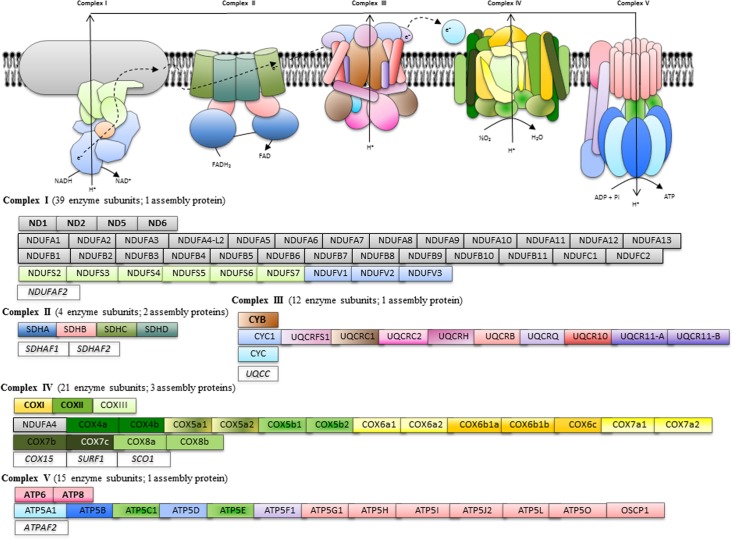
Fig 1. Schematic representation of annotated genes of the OXPHOS pathway in gilthead sea bream.
Mitochondrial-encoded genes are highlighted in bold. Assembly factors are indicated in italics.
Fig 2
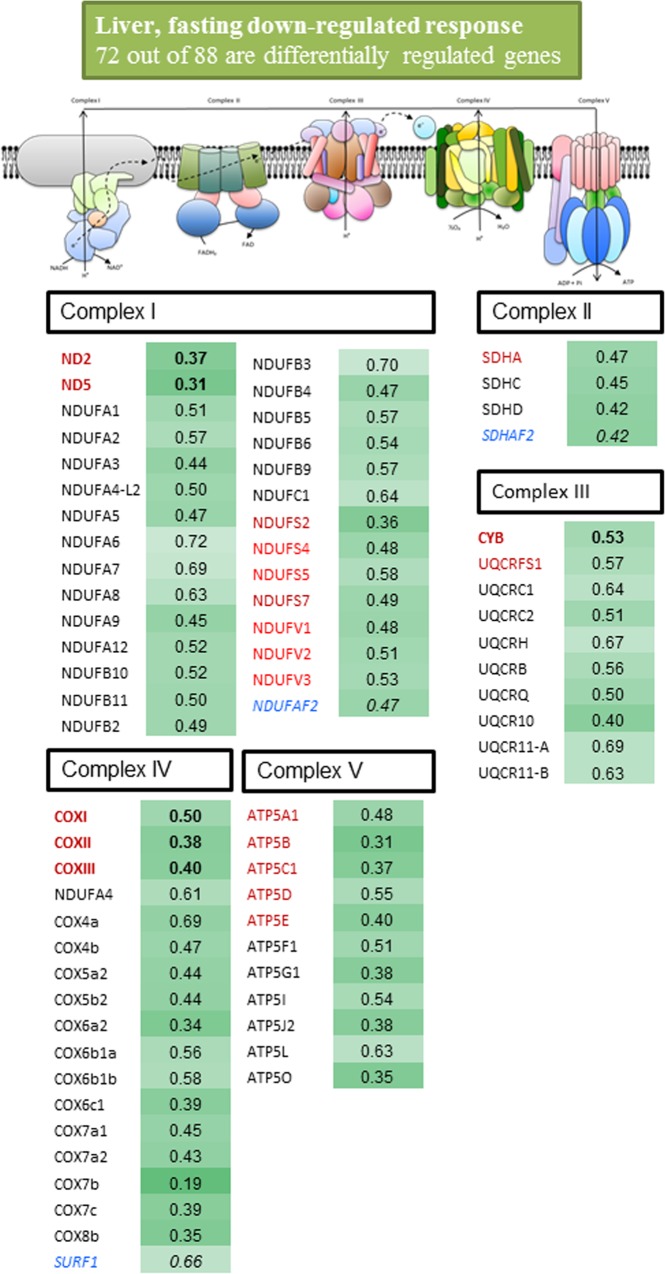
Fig 2. Fold-change of differentially expressed genes (P< 0.05) in the liver tissue of fasted fish.
Fish were fed with a commercial diet to visual satiety (Control, CTRL group) or remained unfed for ten days (fasted group). Data of fold-change are relative to the CTRL group. The intensity of green boxes represents the degree of down-regulation. Mitochondrial-encoded catalytic subunits are in bold and red. Nuclear-encoded catalytic subunits are in red. Nuclear-encoded regulatory subunits are in black. Nuclear-encoded assembly factors are in blue and italics.
Fig 3
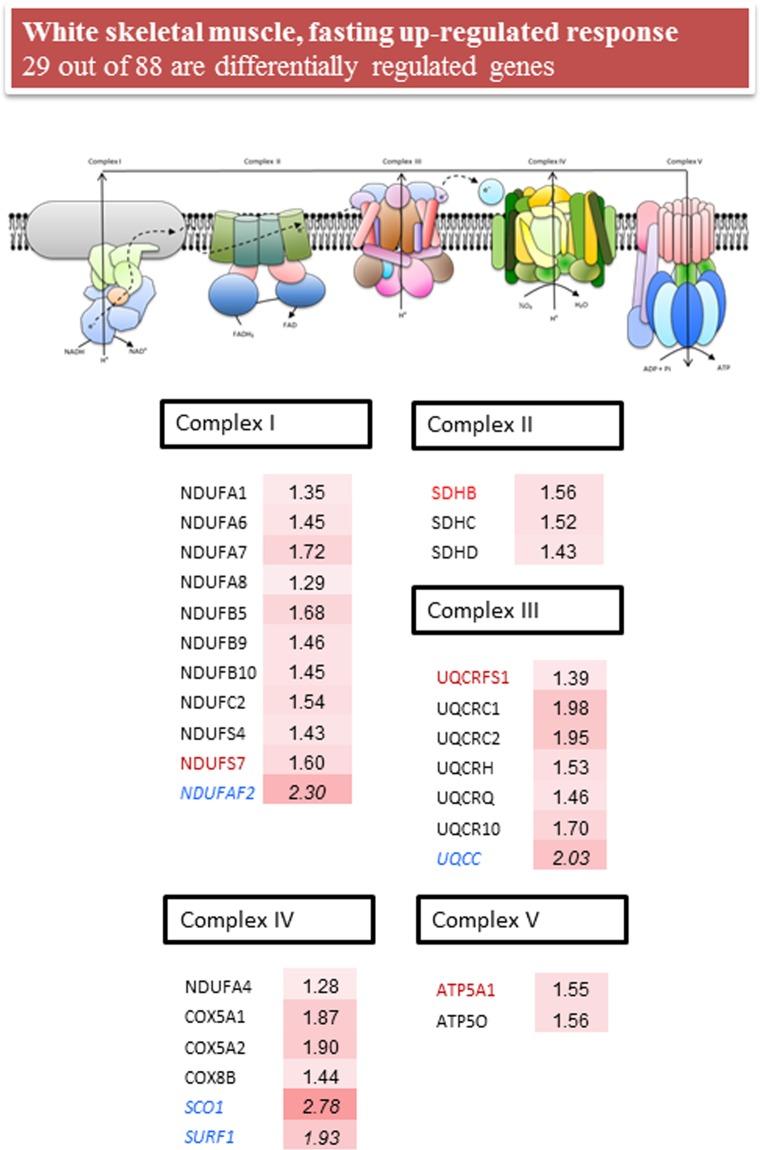
Fig 3. Fold-change of differentially expressed genes (P< 0.05) in the white skeletal muscle of fasted fish.
Fish were fed with a commercial diet to visual satiety (Control, CTRL group) or remained unfed for ten days (fasted group). Data of fold-change are relative to the CTRL group. The intensity of red boxes represents the degree of up-regulation. Nuclear-encoded catalytic subunits are in red. Nuclear-encoded regulatory subunits are in black. Nuclear-encoded assembly factors are in blue and italics.
Fig 4
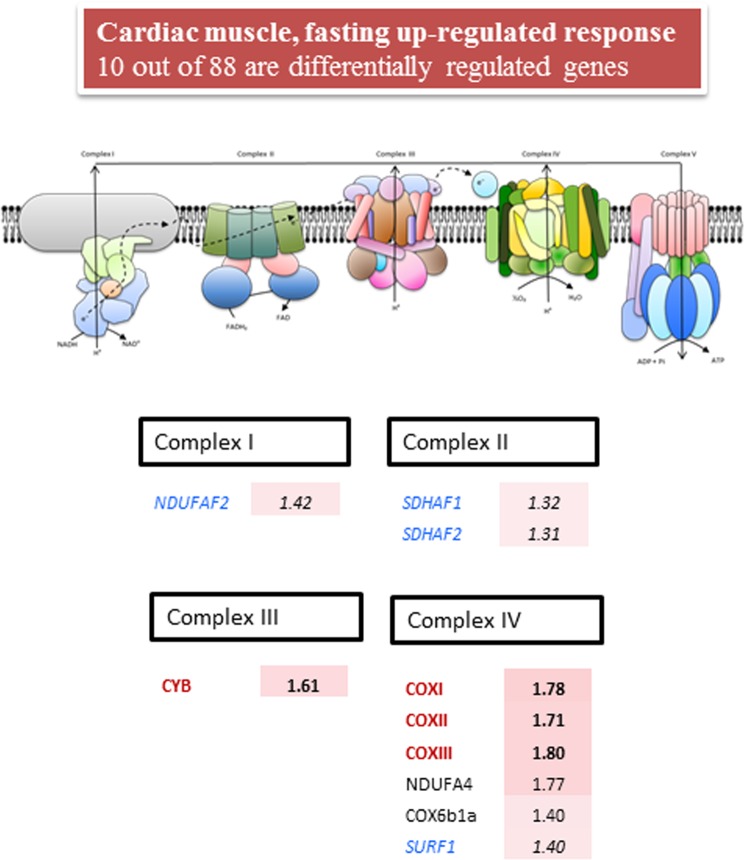
Fig 4. Fold-change of differentially expressed genes (P< 0.05) in the cardiac muscle of fasted fish.
Fish were fed with a commercial diet to visual satiety (Control, CTRL group) or remained unfed for ten days (fasted group). Data of fold-change are relative to the CTRL group. The intensity of red boxes represents the degree of up-regulation. Mitochondrial-encoded catalytic subunits are in bold and red. Nuclear-encoded catalytic subunits are in red. Nuclear-encoded regulatory subunits are in black. Nuclear-encoded assembly factors are in blue and italics.
Fig 5
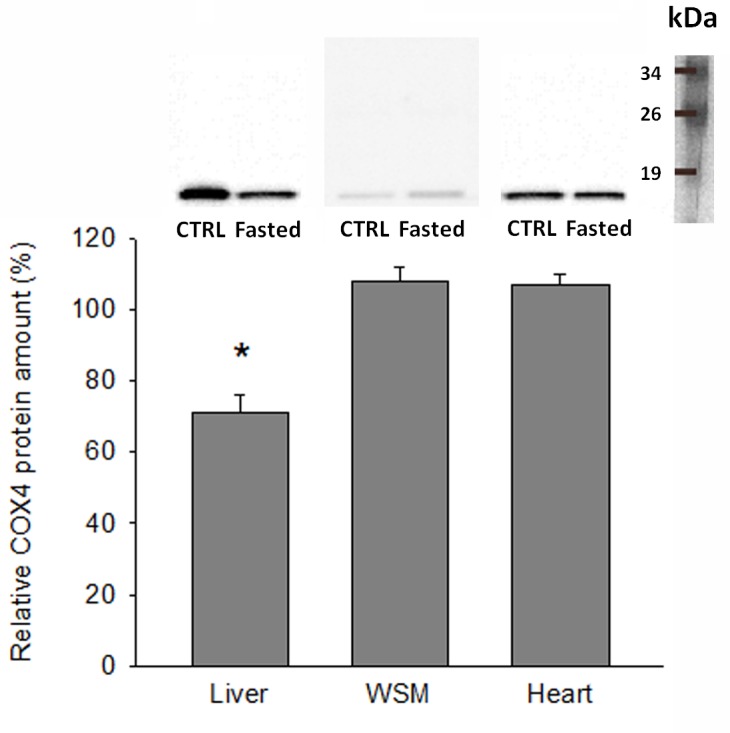
Fig 5. Western blot of COX4 in liver, white skeletal muscle and cardiac muscle of CTRL and fasted fish.
Representative Western blots of tissue protein samples (20 μg) of CTRL and fasted individuals, and integrated intensities of bands. For each tissue, data are expressed as the percentage of intensity in comparison with the CTRL group samples (100% value). Data are represented as mean ± SEM (n = 6) and statistically significant differences between CTRL and fasted groups are indicated (*, P<0.05; Student t-test).

References

    1. Ljubicic V, Joseph A-M, Saleem A, Uguccioni G, Collu-Marchese M, Lai RYJ, et al. Transcriptional and post-transcriptional regulation of mitochondrial biogenesis in skeletal muscle: Effects of exercise and aging. BBA Gen Subjects. 2010; 1800: 223–234. 10.1016/j.bbagen.2009.07.031 - DOI - PubMed
    1. Voos W. Chaperone-protease networks in mitochondrial protein homeostasis. BBA Mol Cell Res. 2013; 1833: 388–399. 10.1016/j.bbamcr.2012.06.005 - DOI - PubMed
    1. Smits P, Smeitink J, van den Heuvel L. Mitochondrial translation and beyond: processes implicated in combined oxidative phosphorylation deficiencies. J Biomed Biotechnol. 2010; 737385 10.1155/2010/737385 - DOI - PMC - PubMed
    1. Baltzer C, Tiefenböck SK, Frei C. Mitochondria in response to nutrients and nutrient-sensitive pathways. Mitochondrion. 2010; 10: 589–597. 10.1016/j.mito.2010.07.009 - DOI - PubMed
    1. Bremer K, Moyes CD. Origins of variation in muscle cytochrome c oxidase activity within and between fish species. J Exp Biol. 2011; 214: 1888–1895. 10.1242/jeb.053330 - DOI - PubMed

Publication types

MeSH terms

Substances