


Effect of mild-to-moderate smoking on viral load, cytokines, oxidative stress, and cytochrome P450 enzymes in HIV-infected individuals
- PMID: 25879453
- PMCID: PMC4399877
- DOI: 10.1371/journal.pone.0122402
Effect of mild-to-moderate smoking on viral load, cytokines, oxidative stress, and cytochrome P450 enzymes in HIV-infected individuals
Abstract
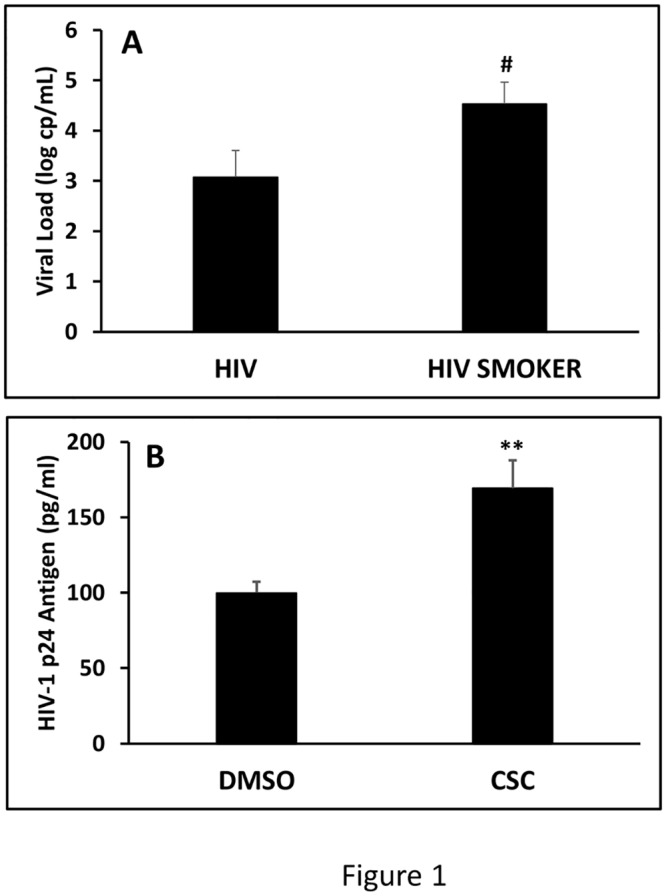
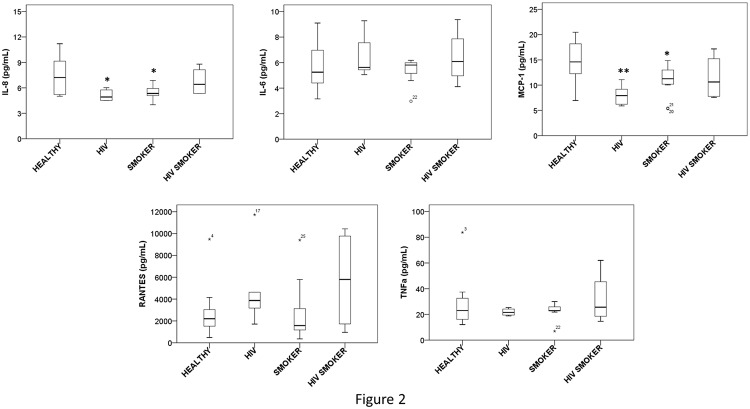
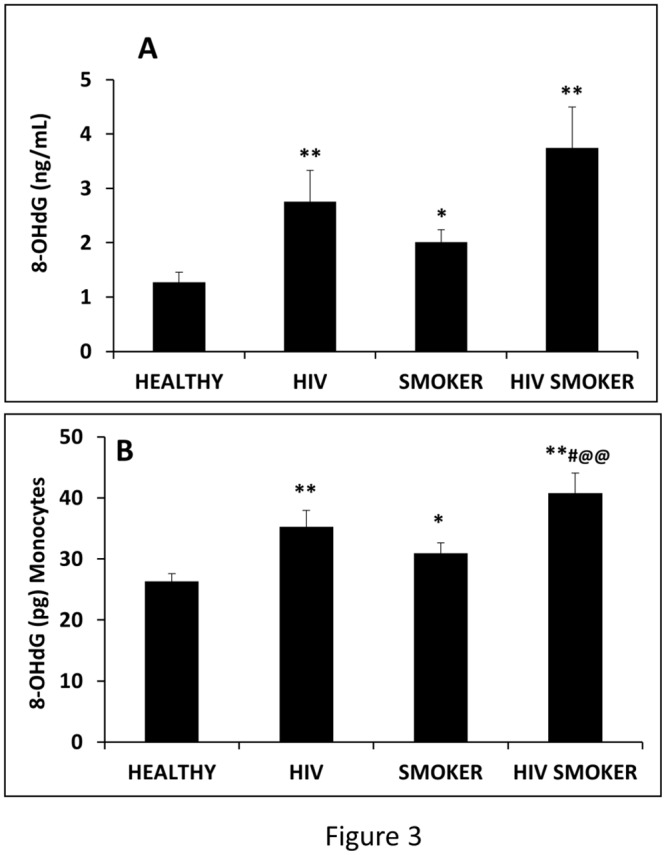
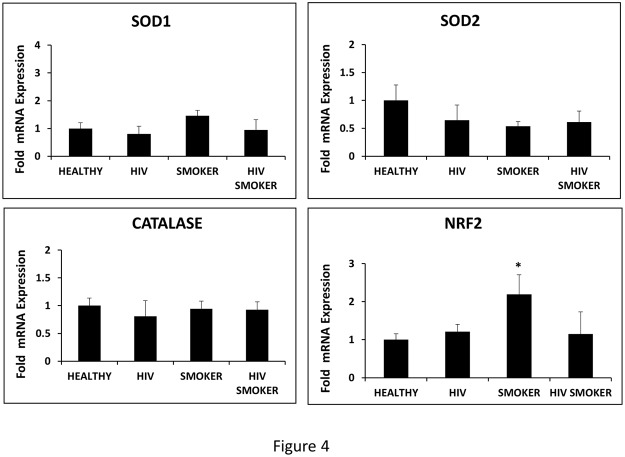
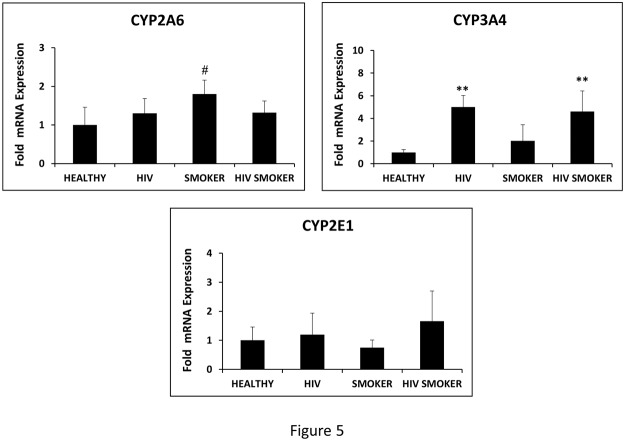
Mild-to-moderate tobacco smoking is highly prevalent in HIV-infected individuals, and is known to exacerbate HIV pathogenesis. The objective of this study was to determine the specific effects of mild-to-moderate smoking on viral load, cytokine production, and oxidative stress and cytochrome P450 (CYP) pathways in HIV-infected individuals who have not yet received antiretroviral therapy (ART). Thirty-two human subjects were recruited and assigned to four different cohorts as follows: a) HIV negative non-smokers, b) HIV positive non-smokers, c) HIV negative mild-to-moderate smokers, and d) HIV positive mild-to-moderate smokers. Patients were recruited in Cameroon, Africa using strict selection criteria to exclude patients not yet eligible for ART and not receiving conventional or traditional medications. Those with active tuberculosis, hepatitis B or with a history of substance abuse were also excluded. Our results showed an increase in the viral load in the plasma of HIV positive patients who were mild-to-moderate smokers compared to individuals who did not smoke. Furthermore, although we did not observe significant changes in the levels of most pro-inflammatory cytokines, the cytokine IL-8 and MCP-1 showed a significant decrease in the plasma of HIV-infected patients and smokers compared with HIV negative non-smokers. Importantly, HIV-infected individuals and smokers showed a significant increase in oxidative stress compared with HIV negative non-smoker subjects in both plasma and monocytes. To examine the possible pathways involved in increased oxidative stress and viral load, we determined the mRNA levels of several antioxidant and cytochrome P450 enzymes in monocytes. The results showed that the levels of most antioxidants are unaltered, suggesting their inability to counter oxidative stress. While CYP2A6 was induced in smokers, CYP3A4 was induced in HIV and HIV positive smokers compared with HIV negative non-smokers. Overall, the findings suggest a possible association of oxidative stress and perhaps CYP pathway with smoking-mediated increased viral load in HIV positive individuals.
Conflict of interest statement
Figures
References
-
- Abbud RA, Finegan CK, Guay LA, Rich EA (1995) Enhanced production of human immunodeficiency virus type 1 by in vitro-infected alveolar macrophages from otherwise healthy cigarette smokers. The Journal of infectious diseases 172: 859–863. - PubMed
-
- Rock RB, Gekker G, Aravalli RN, Hu S, Sheng WS, Peterson PK, et al. (2008) Potentiation of HIV-1 expression in microglial cells by nicotine: involvement of transforming growth factor-beta 1. Journal of neuroimmune pharmacology: the official journal of the Society on NeuroImmune Pharmacology 3: 143–149. - PMC - PubMed
Publication types
MeSH terms
Substances
Grants and funding
LinkOut - more resources
Full Text Sources
Other Literature Sources
Medical
Miscellaneous
