Review
. 2015 May;40(5):257-64.
doi: 10.1016/j.tibs.2015.03.005. Epub 2015 Apr 13.

Integrator: surprisingly diverse functions in gene expression

Affiliations
Review

Integrator: surprisingly diverse functions in gene expression

David Baillat et al. Trends Biochem Sci. 2015 May.

Abstract

The discovery of the metazoan-specific Integrator (INT) complex represented a breakthrough in our understanding of noncoding U-rich small nuclear RNA (UsnRNA) maturation and has triggered a reevaluation of their biosynthesis mechanism. In the decade since, significant progress has been made in understanding the details of its recruitment, specificity, and assembly. While some discrepancies remain on how it interacts with the C-terminal domain (CTD) of the RNA polymerase II (RNAPII) and the details of its recruitment to UsnRNA genes, preliminary models have emerged. Recent provocative studies now implicate INT in the regulation of protein-coding gene transcription initiation and RNAPII pause-release, thereby broadening the scope of INT functions in gene expression regulation. We discuss the implications of these findings while putting them into the context of what is understood about INT function at UsnRNA genes.

Keywords: Integrator; RNAPII CTD; UsnRNA processing; pause-release; transcriptional activation.


Figures

Figure 1
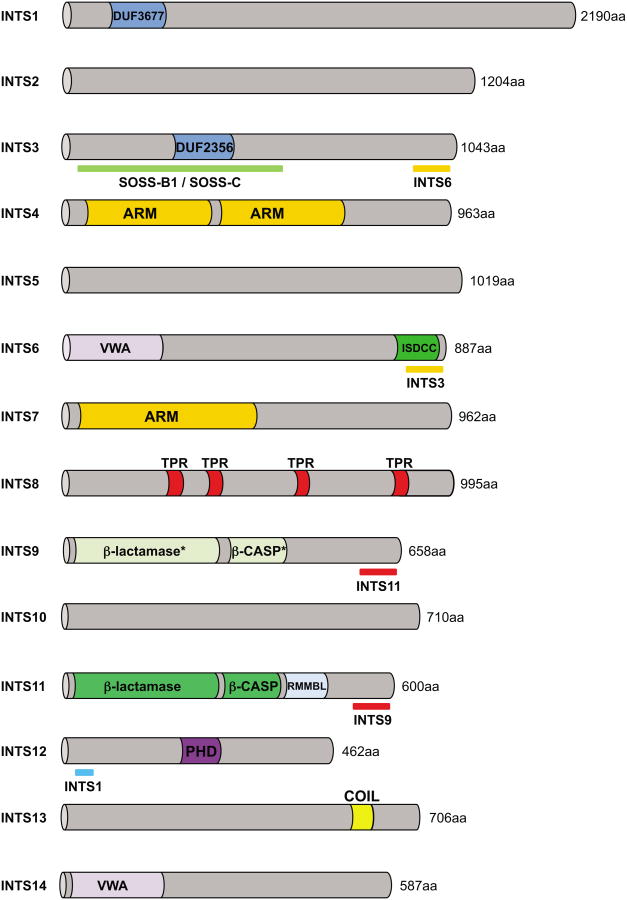
Figure 1. Integrator subunit domain schematic
Predicted protein domains of all 14 Integrator subunits are illustrated and the length of the human orthologues is indicated (in amino acids, aa). DUF=domain of unknown function, ARM=armadillo like repeats, VWA=von Willebrand type A like domain, ISDCC=INTS6/SAGE1/DDX26B/CT45 C-terminus, TPR=tetratricopeptide repeats, β-lactamase/β-CASP (see glossary) “*” indicates the presence of an inactive β-lactamase/β-CASP domain, PHD=plant homeodomain finger, COIL=Coiled coil domain. Identified interacting domains with other proteins are underlined.
Figure 2
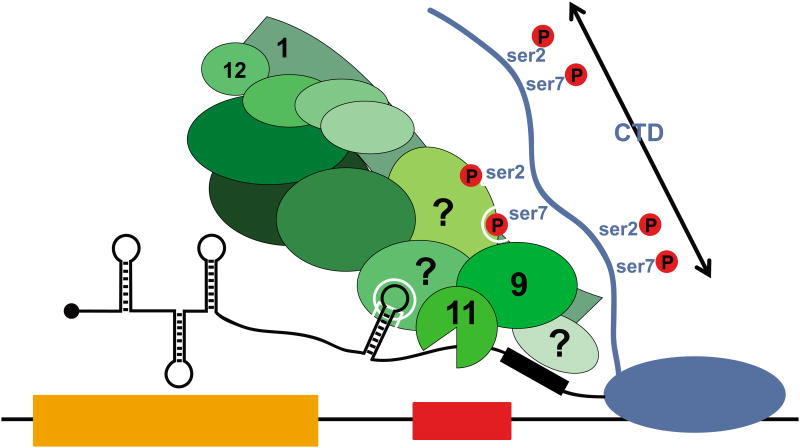
Figure 2. Model of Integrator function in UsnRNA processing
Integrator (INT, green) is recruited early in the UsnRNA transcription cycle and is loaded onto the RNAPII C-terminal domain (CTD) through recognition of the ser7P/ser2P dyad. The identity of the INT subunit(s) that recognize these specific CTD phosphorylations is not known. Once the UsnRNA terminal stem loop and 3′box element emerge from the elongating RNAPII, the RNA is recognized through an unknown mechanism. This event precedes UsnRNA cleavage, which is carried out by the heterodimeric cleavage factor composed of INTS9 and INTS11.
Figure 3
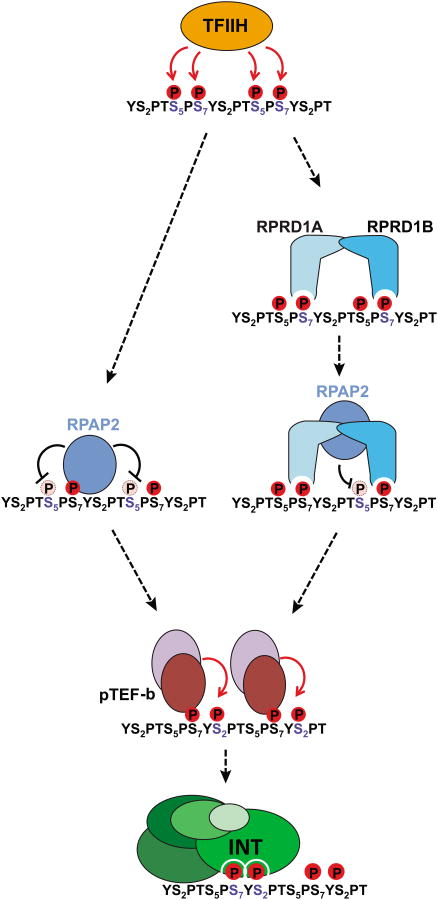
Figure 3. CTD phosphorylation cycle at UsnRNA genes
The CTD of RNAPII is first phosphorylated by TFIIH on ser5/7 positions coinciding with transcription initiation and UsnRNA capping. Two possible paths are then taken. This first (left) involves RPAP2 binding to ser7P and dephosphorylation of ser5P. The second scenario (right) involves the binding of a RPRD1A/B dimer to two ser7P, which in turn recruits RPAP2 and positions it to dephosphorylate ser5P. Either of these events is followed by ser2 phosphorylation by p-TEFb leading to the proper dyad modification pattern (ser7P/ser2P) required for Integrator interaction.
Figure 4
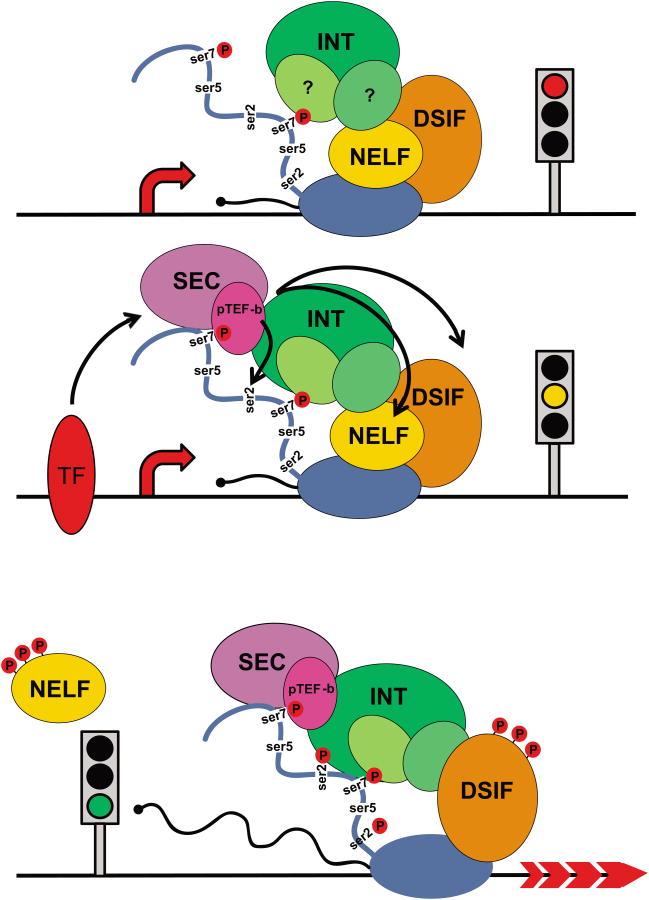
Figure 4. Integrator role in RNAPII promoter proximal pause-release
Top, under non-stimulated conditions, RNAPII initiates transcription and pauses 40-60 nucleotides downstream of the TSS. This paused complex includes the negative elongation factors NELF, DSIF, and likely INT through its association with the RNAPII CTD through ser7P recognition. Middle, upon activation, INT is further enriched at the pause site and recruits p-TEFb and SEC (see glossary), which phosphorylates DSIF, NELF, and ser2. Bottom, once phosphorylated, NELF is displaced, DSIF transitions into a positive regulator of elongation, and the polymerase is converted into an elongation competent state.
Figure I
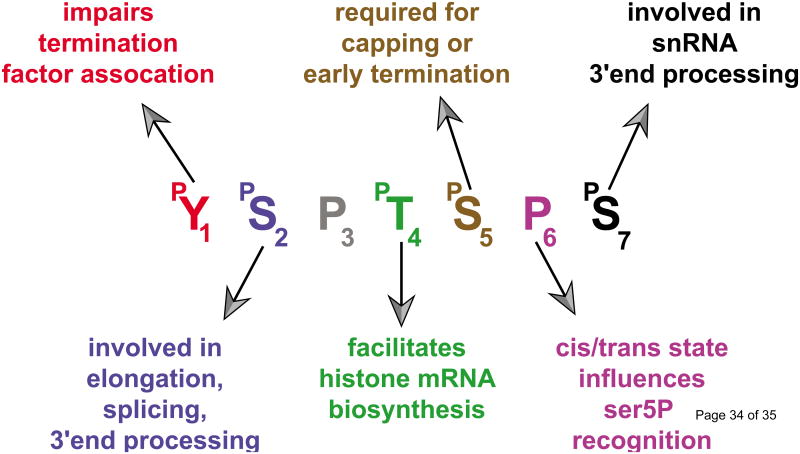
Figure I. The “CTD code”
For each amino acid of the heptad repeat of the C-terminal domain (CTD) of the largest subunit of the RNA polymerase II (RNAPII) is indicated the known functions of the corresponding modification.
Figure I
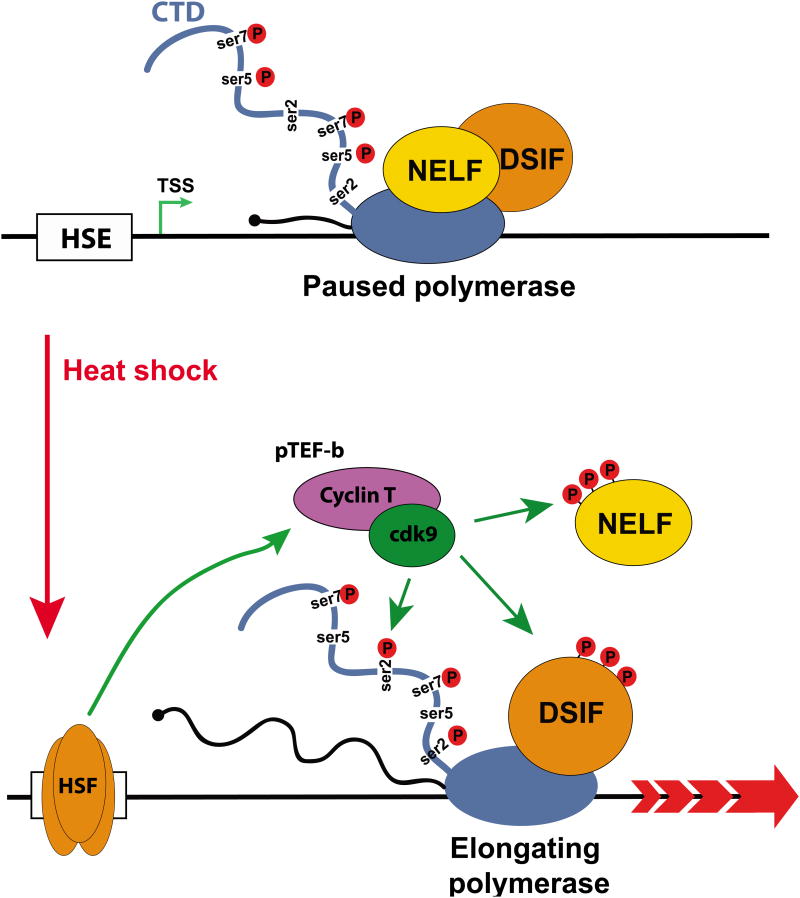
Figure I. Heat Shock Response, a model of promoter proximal pause-release
Top. On promoter proximal paused gene such as HSP70, RNAPII initiates transcription and, in absence of further transcription activation, is stalled 40-60 nucleotides downstream of the transcription start site by the association with the negative elongation factors DSIF and NELF. Bottom. Following heat shock, the Heat Shock Factor (HSF) is recruited to the HSP70 promoter, leading to pTEFb recruitment. The CDK9 component of pTEFb phosphorylates DSIF, NELF and the serine 2 residue of the RNAPII CTD. This cascade of event results in NELF release and progression into productive elongation.

References

    1. Baillat D, et al. Integrator, a multiprotein mediator of small nuclear RNA processing, associates with the C-terminal repeat of RNA polymerase II. Cell. 2005;123:265–76. - PubMed
    1. Jeronimo C, et al. Systematic analysis of the protein interaction network for the human transcription machinery reveals the identity of the 7SK capping enzyme. Mol Cell. 2007;27:262–74. - PMC - PubMed
    1. Malovannaya A, et al. Streamlined analysis schema for high-throughput identification of endogenous protein complexes. Proc Natl Acad Sci U S A. 2010;107:2431–6. - PMC - PubMed
    1. Malovannaya A, et al. Analysis of the human endogenous coregulator complexome. Cell. 2011;145:787–99. - PMC - PubMed
    1. Chen J, et al. An RNAi screen identifies additional members of the Drosophila Integrator complex and a requirement for cyclin C/Cdk8 in snRNA 3′-end formation. RNA. 2012;18:2148–56. - PMC - PubMed

Publication types

LinkOut - more resources