


Conjunctival flora of clinically normal and diseased turtles and tortoises
- PMID: 25889261
- PMCID: PMC4397695
- DOI: 10.1186/s12917-015-0405-x
Conjunctival flora of clinically normal and diseased turtles and tortoises
Abstract
Background: In captive breed turtles and tortoises conjunctival disease is common. Our aim was to investigate the bacterial and fungal flora present in the eyes of healthy and pathological chelonians and to compare findings in turtles with those in tortoises.
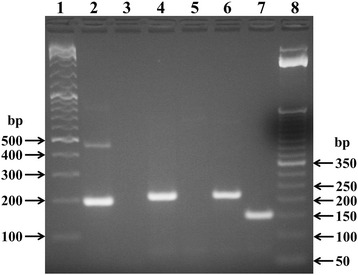
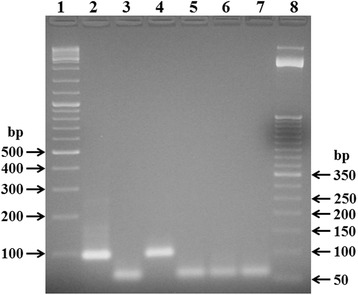
Results: Samples were taken from the conjunctival sacs of 34, diseased and healthy, chelonians (18 tortoises and 16 turtles) and submitted to bacterial and fungal investigation. All samples showed bacterial growth. Thirteen animals (38%), harboured a single bacterial species as sole isolate and twenty-one animals (62%) harboured more than one species. Detection of multiple bacterial infection was clearly greater in tortoises compared to turtles. Most frequently isolated bacterial species were Bacillus spp. (13 isolates), Staphylococcus xylosus (10 isolates), Sphingomonas paucimobilis (6 isolates), Staphylococcus sciuri and Aeromonas hydrophila/caviae (each 5 isolates), Ochrobactrum anthropi (3 isolates), Citrobacter freundii, Enterobacter cloacae and Pseudomonas luteola (each 2 isolates). Only one isolate of Kocuria varians/rosea, Staphylococcus aureus, Staphylococcus auricularis, Staphylococcus haemolyticus, Staphylococcus lentus, Morganella morganii, Pasteurella multocida, Pasteurella pneumotropica/haemolytica, Proteus spp., Pseudomonas putida, Salmonella enterica ssp. arizonae, Stenotrophomonas maltophilia and Vibrio parahaemolyticus was evidenced. The presence in 8 animals of Mycoplasma spp. and in 1 animal with severe conjunctivitis of Chlamydia spp. was detected by PCR. Candida spp. was also isolated from two healthy animals.
Conclusions: A clear predominance of Gram positive isolates in tortoises and Gram negative isolates in turtles was found. However, we cannot ascribe the observed difference to the diversity of animal species, as other factors, including especially different characteristics of the living environments, may play a role. Almost all bacterial species isolated may have clinical significance, mostly as opportunistic pathogens, both for humans and animals. That chelonians are often carrier of bacteria with zoonotic potential is a well-known fact, in particular with regard to Salmonella spp. Therefore, it is not surprising the detection of a strain of Salmonella enterica ssp. arizonae in the eye of one of the animals tested. Worthy of note is the finding of Chlamydia spp. in a severe case of conjunctivitis, though we cannot epidemiologically assess a cause-effect relationship between presence of chlamydia and disease.
Figures
References
-
- Rossi JV. Biology and husbandry. In: Mader DR, editor. Reptile medicine and surgery. 2. St. Louis, Missour: Saunders Elsevier; 2006. pp. 25–41.
-
- Williams DL. Ophthalmology of exotic pets. Chichester, West Sussex: Wiley-Blackwell; 2012. pp. 167–9.
-
- Origgi FC, Jacobson ER. Diseases of the respiratory tract of chelonians. Vet Clin North Am Exot Anim Pract. 2000;3:537–49. - PubMed
-
- Quinn PJ, Carter ME, Markey BK, Carter GR. Clinical veterinary microbiology. Europe: Mosby-Year Book; 1994. Bacterial pathogens: microscopy, culture and identification; pp. 21–66.
-
- Harasawa R, Uemori T, Asada K, Kato I. Sensitive detection of mycoplasmas in cell cultures by using two-step polymerase chain reaction. In: Kahane I, Adoni A, editors. Rapid diagnosis of mycoplasmas. New York: Plenum Publishing Corp; 1993. pp. 227–32.
Publication types
MeSH terms
LinkOut - more resources
Full Text Sources
Other Literature Sources
Medical
Miscellaneous
