


Adult Kawasaki disease in a European patient: a case report and review of the literature
- PMID: 25890055
- PMCID: PMC4403952
- DOI: 10.1186/s13256-015-0516-9
Adult Kawasaki disease in a European patient: a case report and review of the literature
Abstract
Introduction: Kawasaki disease is an acute necrotising vasculitis of the medium- and small-sized vessels, occurring mainly in Japanese and Korean babies and children, aged 6 months to 5 years. Its main complication is damage of coronary arteries, which has the potential to be fatal. Here we report a rare case of Kawasaki disease that occurred in a 20-year-old Greek adult.
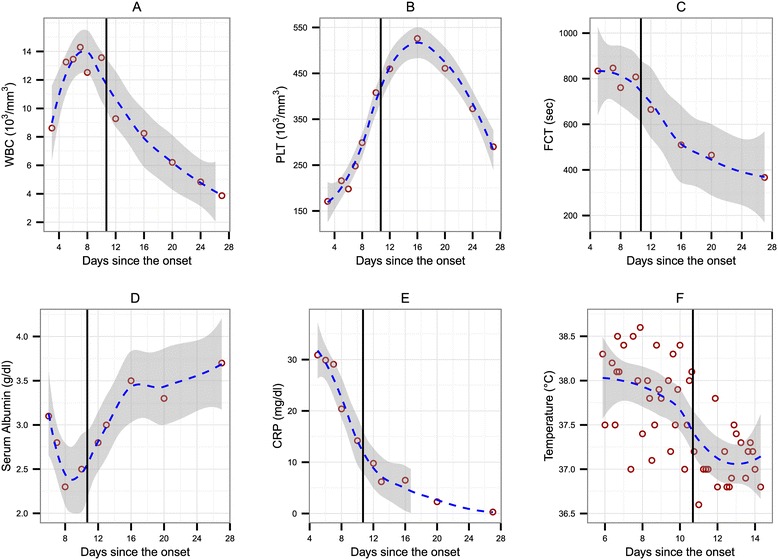
Case presentation: A 20-year-old Greek man presented with high fever, appetite loss, nausea and vomiting, headache and significant malaise. He had an erythema of the palms and strikingly red lips and conjunctiva. As he did not respond to broad-spectrum antibiotics and after having excluded other possible diagnoses, the diagnosis of Kawasaki disease was set. He was treated with intravenous immunoglobulin and oral aspirin on the 10th day since the onset of the illness. His clinico-laboratory response was excellent and no coronary artery aneurysms were detected in coronary artery computed tomography performed 1 month later.
Conclusions: This report of an adult case of European Kawasaki disease may be of benefit to physicians of various specialties, including primary care doctors, hospital internists, intensivists and cardiologists. It demonstrates that a case of prolonged fever, unresponsive to antibiotics, in the absence of other diagnoses may be an incident of Kawasaki disease. It is worth stressing that such a diagnosis should be considered, even if the patient is adult and not of Asian lineage.
Figures
References
Publication types
MeSH terms
Substances
LinkOut - more resources
Full Text Sources
Other Literature Sources
Medical
Research Materials
