


Influenza and other respiratory viruses detected by influenza-like illness surveillance in Leyte Island, the Philippines, 2010-2013
- PMID: 25893441
- PMCID: PMC4404362
- DOI: 10.1371/journal.pone.0123755
Influenza and other respiratory viruses detected by influenza-like illness surveillance in Leyte Island, the Philippines, 2010-2013
Abstract
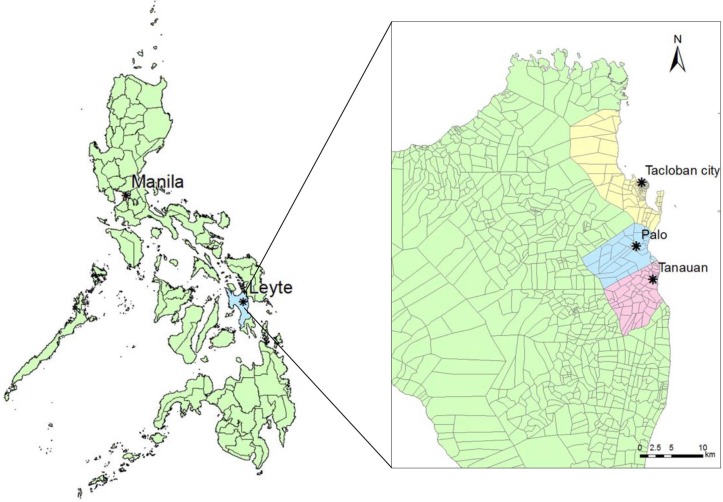
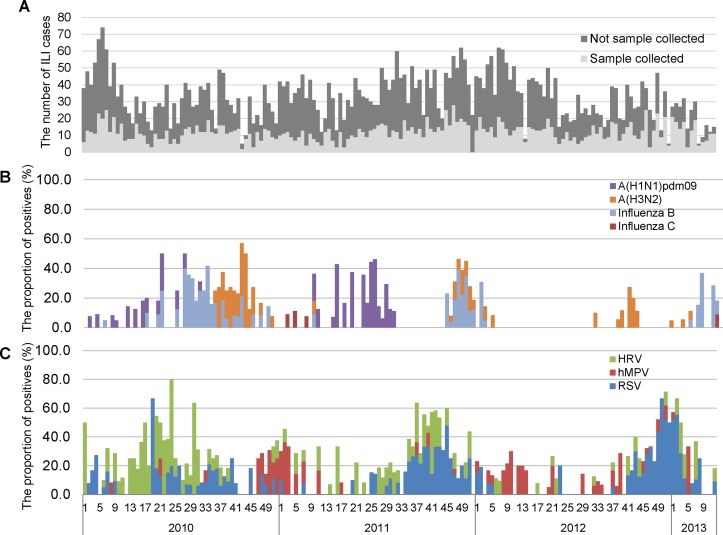
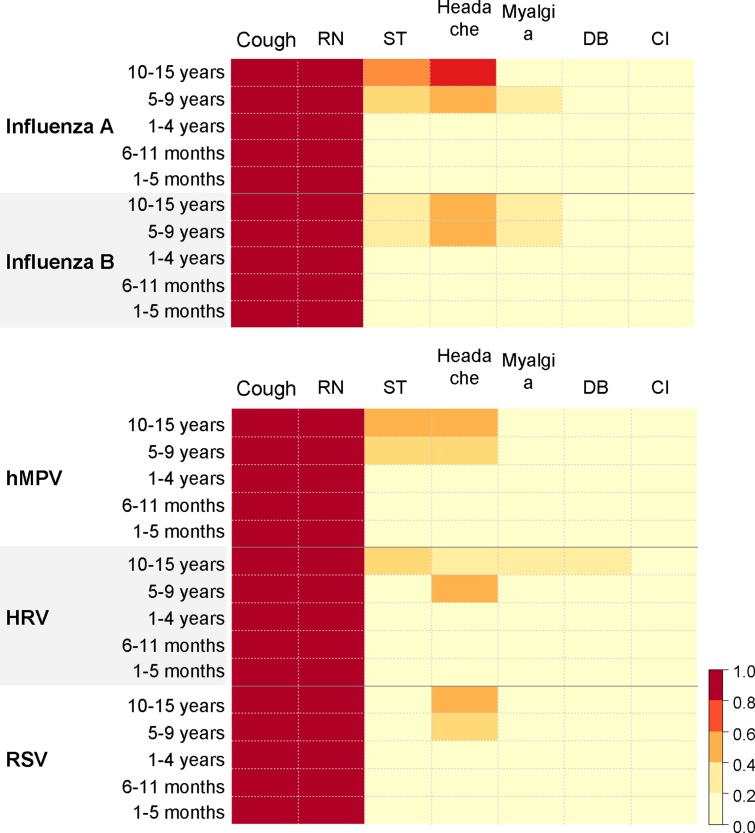
This study aimed to determine the role of influenza-like illness (ILI) surveillance conducted on Leyte Island, the Philippines, including involvement of other respiratory viruses, from 2010 to 2013. ILI surveillance was conducted from January 2010 to March 2013 with 3 sentinel sites located in Tacloban city, Palo and Tanauan of Leyte Island. ILI was defined as fever ≥38°C or feverish feeling and either cough or running nose in a patient of any age. Influenza virus and other 5 respiratory viruses were searched. A total of 5,550 ILI cases visited the 3 sites and specimens were collected from 2,031 (36.6%) cases. Among the cases sampled, 1,637 (75.6%) were children aged <5 years. 874 (43.0%) cases were positive for at least one of the respiratory viruses tested. Influenza virus and respiratory syncytial virus (RSV) were predominantly detected (both were 25.7%) followed by human rhinovirus (HRV) (17.5%). The age distributions were significantly different between those who were positive for influenza, HRV, and RSV. ILI cases were reported throughout the year and influenza virus was co-detected with those viruses on approximately half of the weeks of study period (RSV in 60.5% and HRV 47.4%). In terms of clinical manifestations, only the rates of headache and sore throat were significantly higher in influenza positive cases than cases positive to other viruses. In conclusion, syndromic ILI surveillance in this area is difficult to detect the start of influenza epidemic without laboratory confirmation which requires huge resources. Age was an important factor that affected positive rates of influenza and other respiratory viruses. Involvement of older age children may be useful to detect influenza more effectively.
Conflict of interest statement
Figures
References
-
- World Health Organization. Influenza Fact sheet no.211. Available: http://www.who.int/mediacentre/factsheets/fs211/en/
-
- Monto AS, Gravenstein S, Elliott M, Colopy M, Schweinle J. Clinical signs and symptoms predicting influenza infection. Arch Intern Med. 2000; 160: 3243–3247. - PubMed
-
- Navarro-Mari JM, Perez-Ruiz M, Cantudo-Munoz P, Petit-Gancedo C, Jimenez-Valera M, Rosa-Fraile M. Influenza-like illness criteria were poorly related to laboratory-confirmed influenza in a sentinel surveillance study. J Clin Epidemiol. 2005; 58: 275–279. - PubMed
Publication types
MeSH terms
LinkOut - more resources
Full Text Sources
Other Literature Sources
Medical
Research Materials
