


Hepatocellular carcinoma and liver metastases: clinical data on a new dual-lumen catheter kit for surgical sealant infusion to prevent perihepatic bleeding and dissemination of cancer cells following biopsy and loco-regional treatments
- PMID: 25897320
- PMCID: PMC4403704
- DOI: 10.1186/s13027-015-0006-0
Hepatocellular carcinoma and liver metastases: clinical data on a new dual-lumen catheter kit for surgical sealant infusion to prevent perihepatic bleeding and dissemination of cancer cells following biopsy and loco-regional treatments
Abstract
Background: RFA is a safe and effective procedure for treating unresectable primary or secondary liver malignancies, but it is not without complications. The most common reported complications include abdominal hemorrhage, bile leakage, biloma formation, hepatic abscesses, and neoplastic seeding. The aim of this study is to evaluate the feasibility of percutaneous use of surgical sealant with a new coaxial bilumen catheter, to prevent the perihepatic bleeding and dissemination of cancer cells through the needle-electrode (neoplastic seeding) or along the needle track.
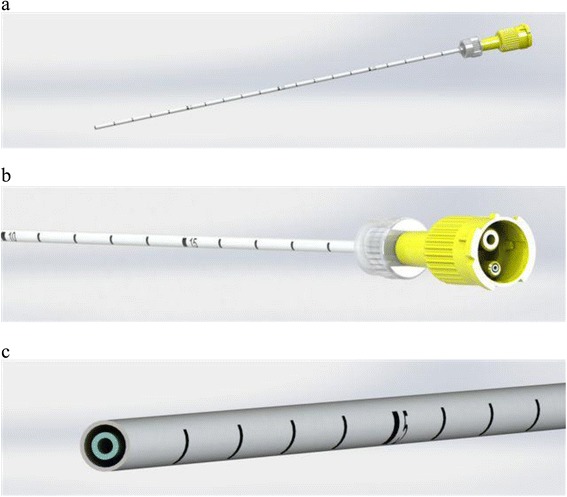
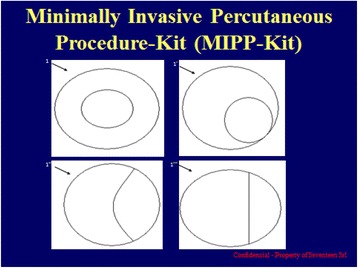
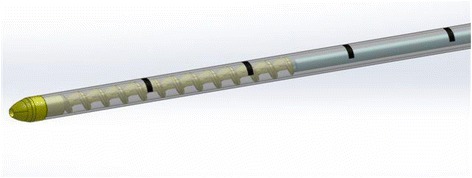
Methods: We designed a novel dual-lumen catheter to facilitate the optimal application of fibrin sealant after diagnostic and therapeutic percutaneous procedures. Percutaneous RFA has been performed using mask ventilation or neuroleptanalgesia. The main aims of this study, after the ablation procedure, in the treatment of unresectable liver cancer were to prevent major adverse events: a) the perihepatic bleeding; b) dissemination of cancer cells through the needle-electrode and or needle track.
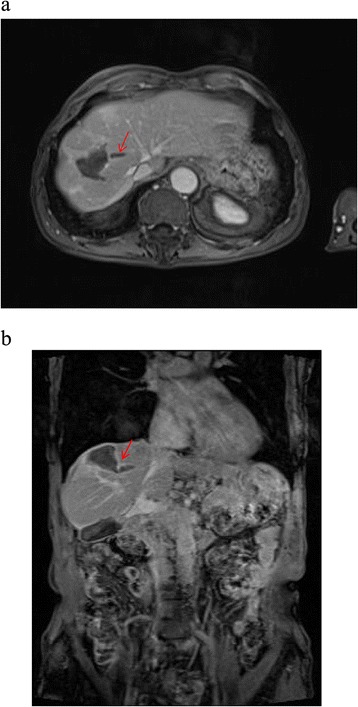
Results: A total of 181 patients were evaluated for this study at National Cancer Institute of Naples from January 2012 to January 2014. The association of blood loss (≤1 g/dl; ≥1 g/dl) with age, gender, histological diagnosis were analyzed. No statistical significance was observed between bleeding and age (p = 0.840), gender (p = 0.607) and histological diagnosis (p = 0,571), respectively.
Conclusions: This study demonstrated that fibrin sealant or other surgical sealant injection, after any locoregional procedure such as biopsy or ablation, could make adverse events even more rare.
Keywords: Dual lumen catheter; Hepatocarcinoma; Liver metastases; Locoregional treatments; Sealant.
Figures
References
-
- Izzo F, Barnett CC, Jr, Curley SA. Radiofrequency ablation of primary and metastatic malignant liver tumors. Adv Surg. 2001;35:225–50. - PubMed
LinkOut - more resources
Full Text Sources
Other Literature Sources
