


Docetaxel, bevacizumab, and androgen deprivation therapy for biochemical disease recurrence after definitive local therapy for prostate cancer
- PMID: 25903013
- PMCID: PMC4566852
- DOI: 10.1002/cncr.29398
Docetaxel, bevacizumab, and androgen deprivation therapy for biochemical disease recurrence after definitive local therapy for prostate cancer
Abstract
Background: Patients with biochemical disease recurrence (BCR) after definitive treatment for prostate cancer comprise a heterogeneous population for whom standard therapy options are lacking. The purpose of the current trial was to evaluate the feasibility, toxicity, and efficacy of early multimodality systemic therapy in men with BCR.
Methods: Eligible patients had an increasing prostate-specific antigen (PSA) level, a PSA doubling time ≤10 months, and no evidence of metastases after radical prostatectomy (RP) and/or radiotherapy (RT) for localized disease. Treatment consisted of docetaxel at a dose of 75 mg/m(2) every 3 weeks for 4 cycles, bevacizumab at a dose of 15 mg/kg every 3 weeks for 8 cycles, and androgen deprivation therapy (ADT) for 18 months. The primary endpoint was the percentage of patients who were free from PSA progression 1 year after the completion of therapy.
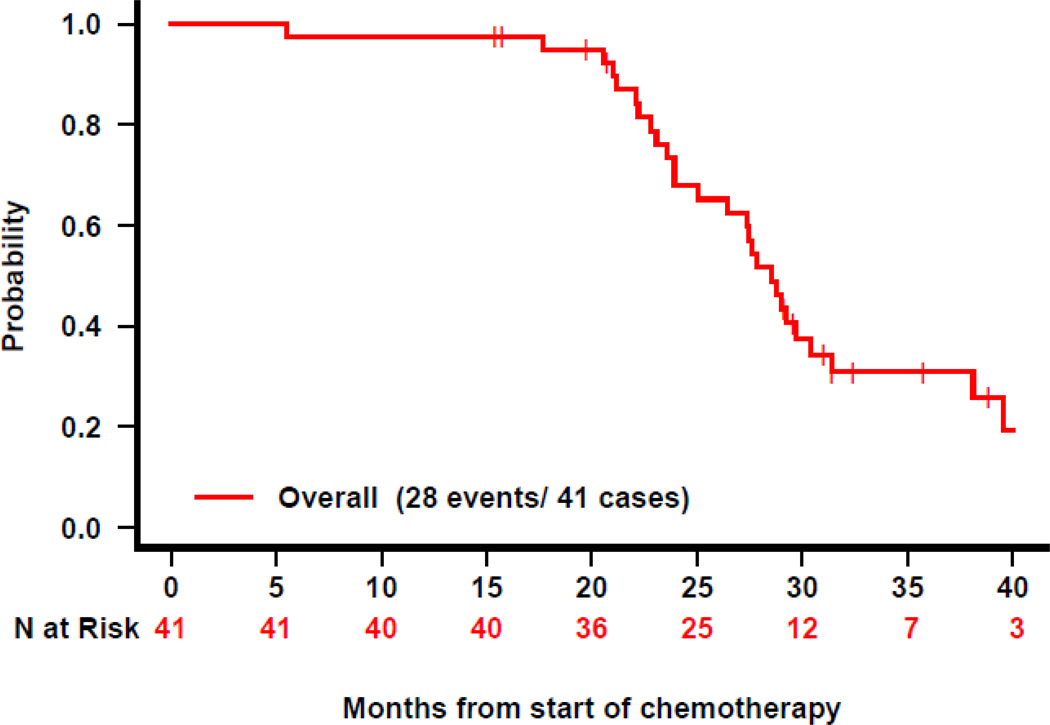
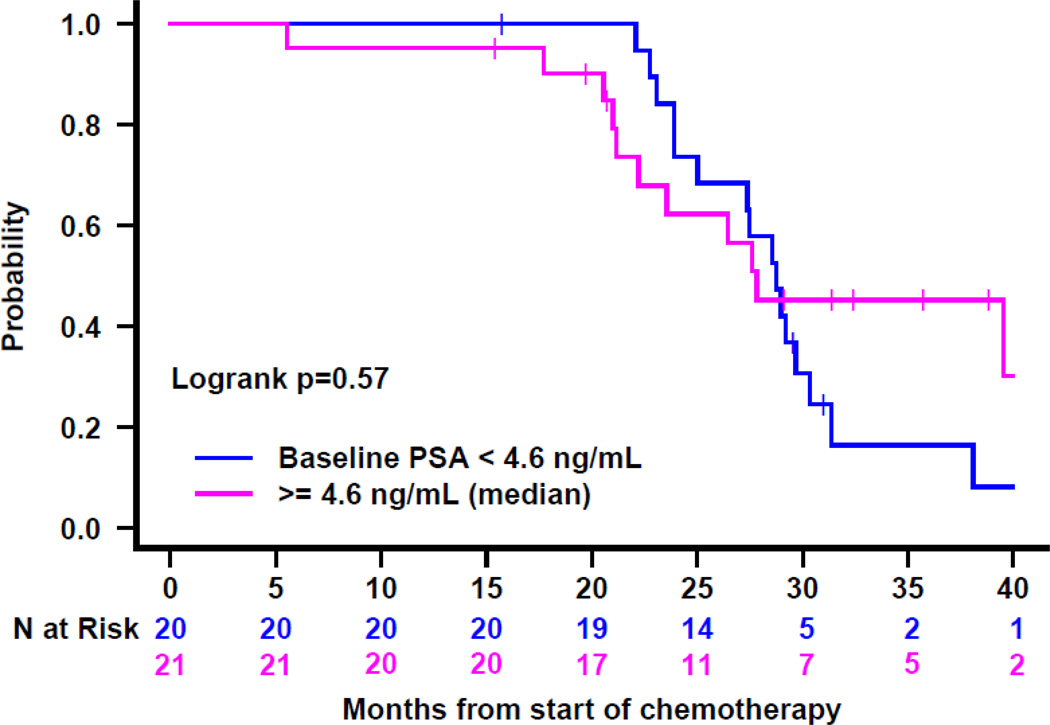
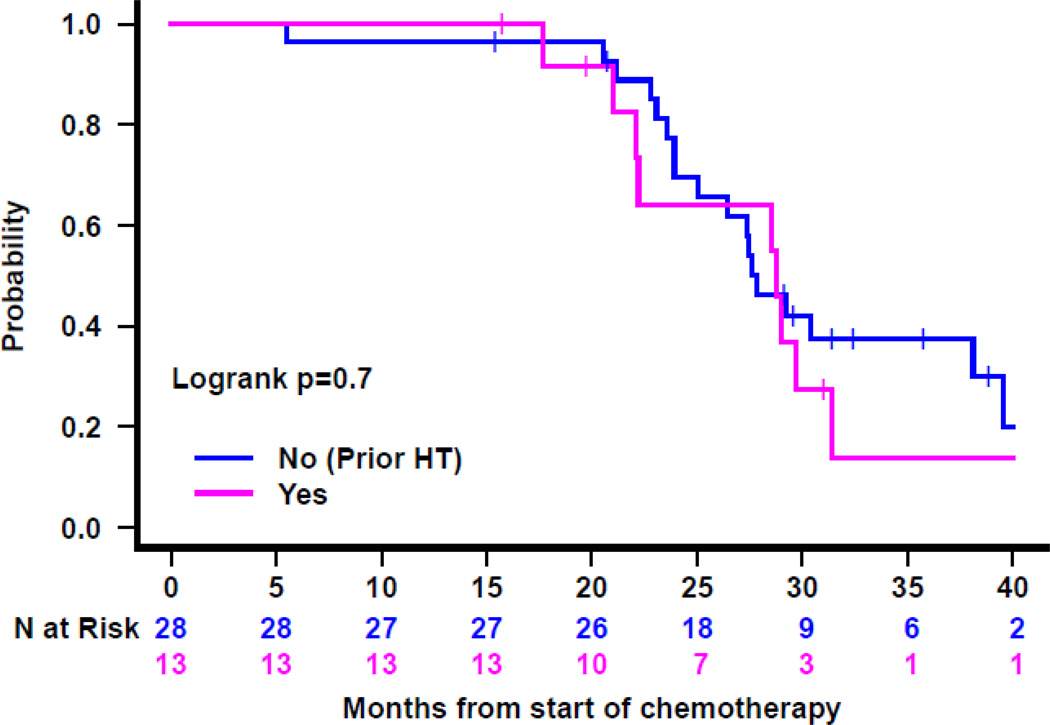
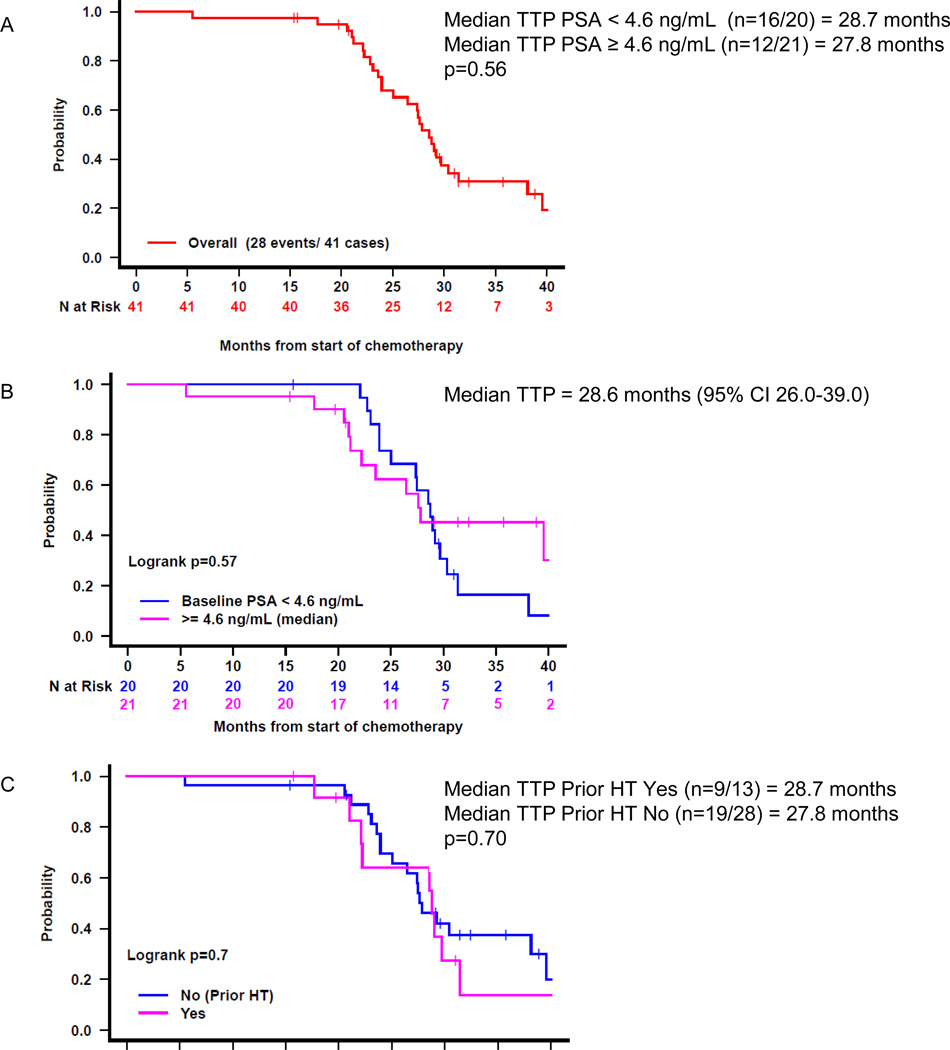
Results: A total of 41 patients were included in the analysis. At 1 year after the completion of ADT, 45% of patients (13 of 29 patients) and 29% of patients (5 of 17 patients) with a testosterone level ≥100 ng/dL and ≥240 ng/dL, respectively, had a PSA <0.2 ng/mL. The median follow-up was 27.5 months (interquartile range, 21.8-38.1 months). Eight patients (20%) were free from PSA progression, 19 patients (46%) did not reinitiate ADT, and 34 patients (83%) were free from metastasis. Sixteen patients (39%) experienced grade 3 and 5 patients (12%) experienced grade 4 toxicities (toxicity was assessed using the National Cancer Institute Common Terminology Criteria for Adverse Events [version 3.0]).
Conclusions: Multimodality systemic therapy with docetaxel, bevacizumab, and ADT is feasible and produces PSA responses in men with BCR. Long-term follow-up is needed to determine the percentage of patients with a durable PSA response who are able to avoid having to reinitiate prostate cancer therapy.
Keywords: androgen deprivation therapy; bevacizumab; biochemical disease recurrence; docetaxel; prostate cancer.
© 2015 American Cancer Society.
Figures
Similar articles
-
Docetaxel, estramustine, and 15-month androgen deprivation for men with prostate-specific antigen progression after definitive local therapy for prostate cancer.J Clin Oncol. 2006 Dec 1;24(34):5408-13. doi: 10.1200/JCO.2006.06.6589. J Clin Oncol. 2006. PMID: 17135641 Clinical Trial.
-
Long-term follow-up of a phase II trial of chemotherapy plus hormone therapy for biochemical relapse after definitive local therapy for prostate cancer.Urology. 2013 Mar;81(3):611-6. doi: 10.1016/j.urology.2012.12.025. Urology. 2013. PMID: 23452809 Clinical Trial.
-
Androgen deprivation therapy plus docetaxel and estramustine versus androgen deprivation therapy alone for high-risk localised prostate cancer (GETUG 12): a phase 3 randomised controlled trial.Lancet Oncol. 2015 Jul;16(7):787-94. doi: 10.1016/S1470-2045(15)00011-X. Epub 2015 May 28. Lancet Oncol. 2015. PMID: 26028518 Clinical Trial.
-
Hormonal therapy options for biochemical recurrence of prostate cancer after local therapy.Mol Urol. 2000 Fall;4(3):267-71;discussion 273. Mol Urol. 2000. PMID: 11062383 Review.
-
EAU guidelines on prostate cancer. Part II: Treatment of advanced, relapsing, and castration-resistant prostate cancer.Eur Urol. 2011 Apr;59(4):572-83. doi: 10.1016/j.eururo.2011.01.025. Epub 2011 Jan 25. Eur Urol. 2011. PMID: 21315502
Cited by
-
A Randomized Phase II Trial of Short-Course Androgen Deprivation Therapy With or Without Bevacizumab for Patients With Recurrent Prostate Cancer After Definitive Local Therapy.J Clin Oncol. 2016 Jun 1;34(16):1913-20. doi: 10.1200/JCO.2015.65.3154. Epub 2016 Apr 4. J Clin Oncol. 2016. PMID: 27044933 Free PMC article. Clinical Trial.
-
Should androgen deprivation therapy and other systemic treatments be used in men with prostate cancer and a rising PSA post-local treatments?Ther Adv Med Oncol. 2021 Oct 20;13:17588359211051870. doi: 10.1177/17588359211051870. eCollection 2021. Ther Adv Med Oncol. 2021. PMID: 34707693 Free PMC article. Review.
References
-
- Siegel R, Ma J, Zou Z, Jemal A. Cancer statistics, 2014. CA Cancer J Clin. 2014 Jan-Feb;64(1):9–29. - PubMed
-
- Novara G, Ficarra V, Mocellin S, et al. Systematic review and meta-analysis of studies reporting oncologic outcome after robot-assisted radical prostatectomy. Eur Urol. 2012 Sep;62(3):382–404. - PubMed
-
- Pound CR, Partin AW, Eisenberger MA, Chan DW, Pearson JD, Walsh PC. Natural history of progression after PSA elevation following radical prostatectomy. JAMA. 1999 May 5;281(17):1591–1597. - PubMed
Publication types
MeSH terms
Substances
Grants and funding
LinkOut - more resources
Full Text Sources
Other Literature Sources
Medical
Research Materials
Miscellaneous
