


Dietary input of microbes and host genetic variation shape among-population differences in stickleback gut microbiota
- PMID: 25909977
- PMCID: PMC4611514
- DOI: 10.1038/ismej.2015.64
Dietary input of microbes and host genetic variation shape among-population differences in stickleback gut microbiota
Abstract
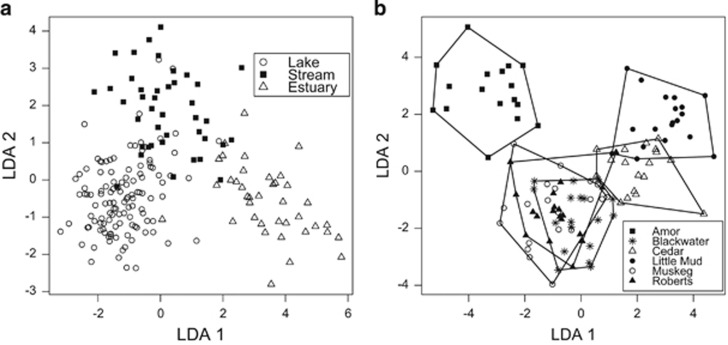
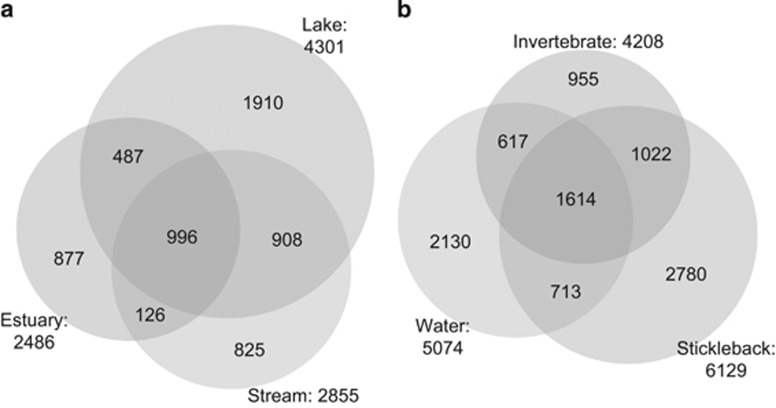
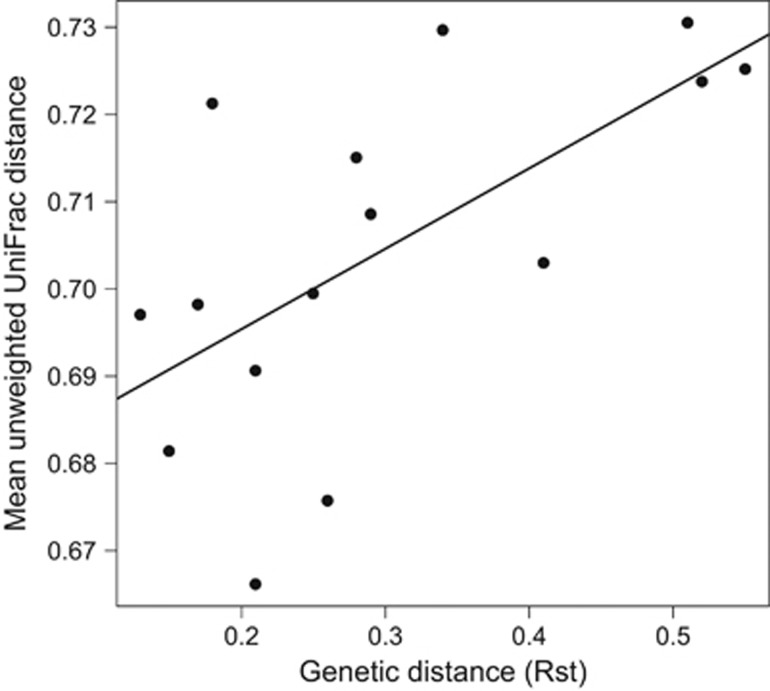
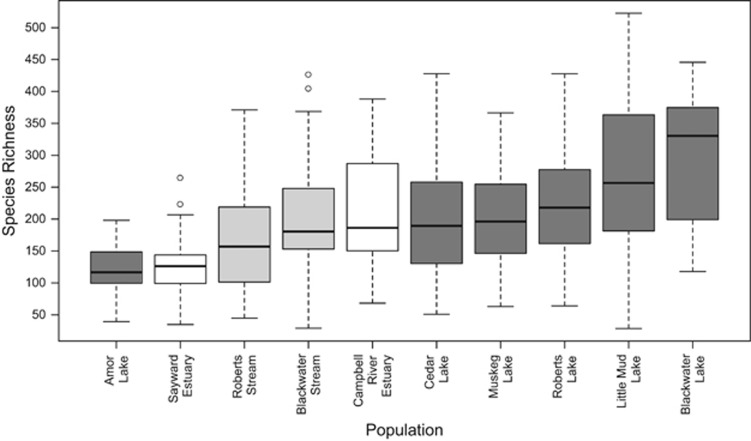
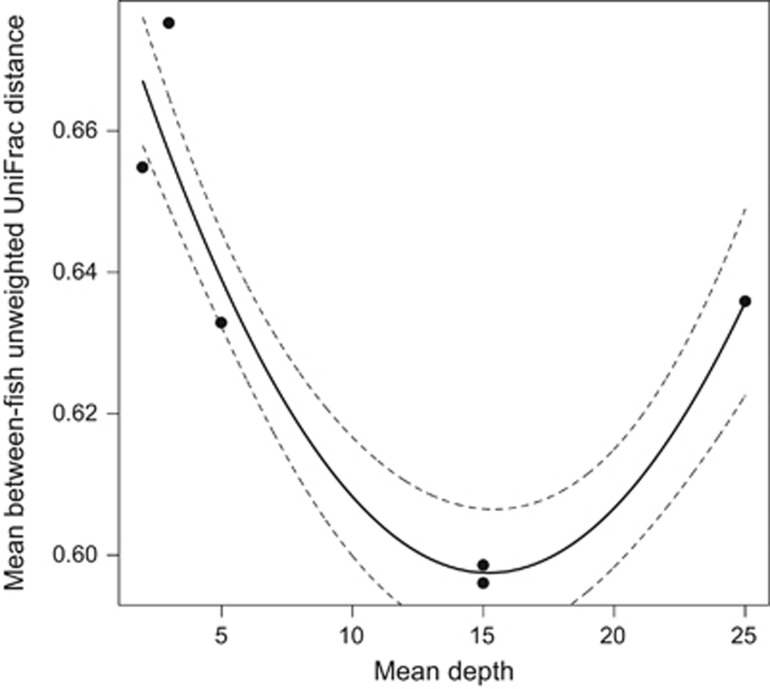
To explain differences in gut microbial communities we must determine how processes regulating microbial community assembly (colonization, persistence) differ among hosts and affect microbiota composition. We surveyed the gut microbiota of threespine stickleback (Gasterosteus aculeatus) from 10 geographically clustered populations and sequenced environmental samples to track potential colonizing microbes and quantify the effects of host environment and genotype. Gut microbiota composition and diversity varied among populations. These among-population differences were associated with multiple covarying ecological variables: habitat type (lake, stream, estuary), lake geomorphology and food- (but not water-) associated microbiota. Fish genotype also covaried with gut microbiota composition; more genetically divergent populations exhibited more divergent gut microbiota. Our results suggest that population level differences in stickleback gut microbiota may depend more on internal sorting processes (host genotype) than on colonization processes (transient environmental effects).
Figures
References
-
- Atarashi K, Tanoue T, Oshima K, Suda W, Nagano Y, Nishikawa H et al. (2013). Treg induction by a rationally selected mixture of Clostridia strains from the human microbiota. Nature 500: 232–236. - PubMed
-
- Bergh Ø. (1995). Bacteria associated with early life stages of halibut, Hippoglossus hippoglossus L., inhibit growth of a pathogenic Vibrio sp. J Fish Dis 18: 31–40.
Publication types
MeSH terms
Substances
Grants and funding
LinkOut - more resources
Full Text Sources
Other Literature Sources
Molecular Biology Databases
