


Increased plasma clot permeability and susceptibility to lysis are associated with heavy menstrual bleeding of unknown cause: a case-control study
- PMID: 25909989
- PMCID: PMC4409067
- DOI: 10.1371/journal.pone.0125069
Increased plasma clot permeability and susceptibility to lysis are associated with heavy menstrual bleeding of unknown cause: a case-control study
Abstract
Background: Formation of compact and poorly lysable clots has been reported in thromboembolic disorders. Little is known about clot properties in bleeding disorders.
Objectives: We hypothesized that more permeable and lysis-sensitive fibrin clots can be detected in women with heavy menstrual bleeding (HMB).
Methods: We studied 52 women with HMB of unknown cause and 52 age-matched control women. Plasma clot permeability (Ks), turbidity and efficiency of fibrinolysis, together with coagulation factors, fibrinolysis proteins, and platelet aggregation were measured.
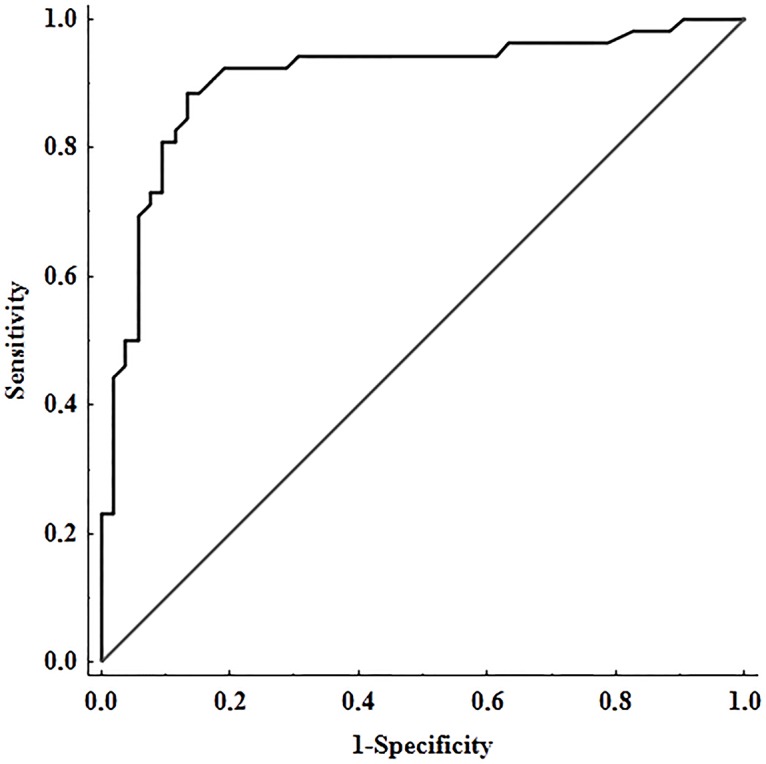
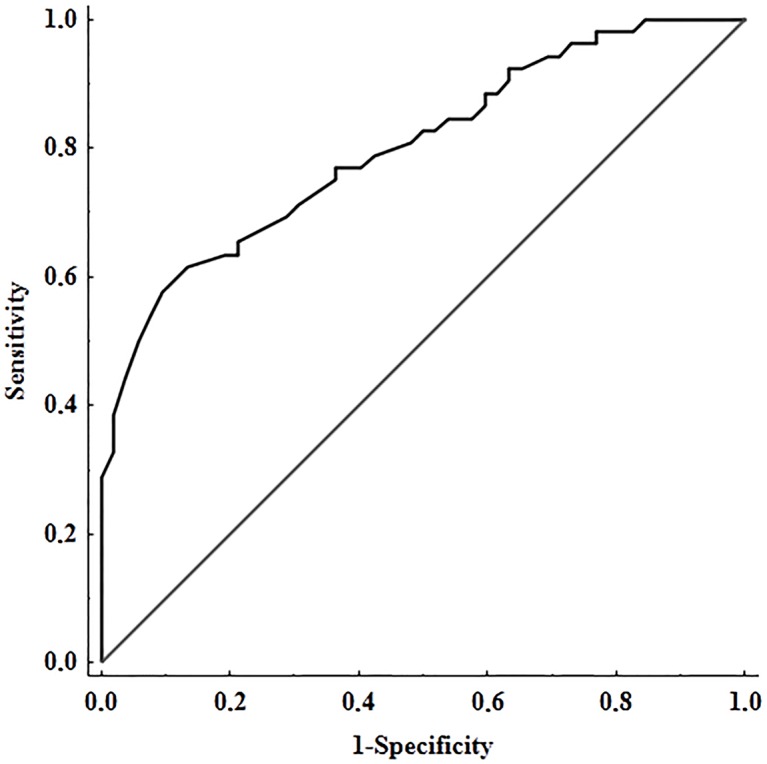
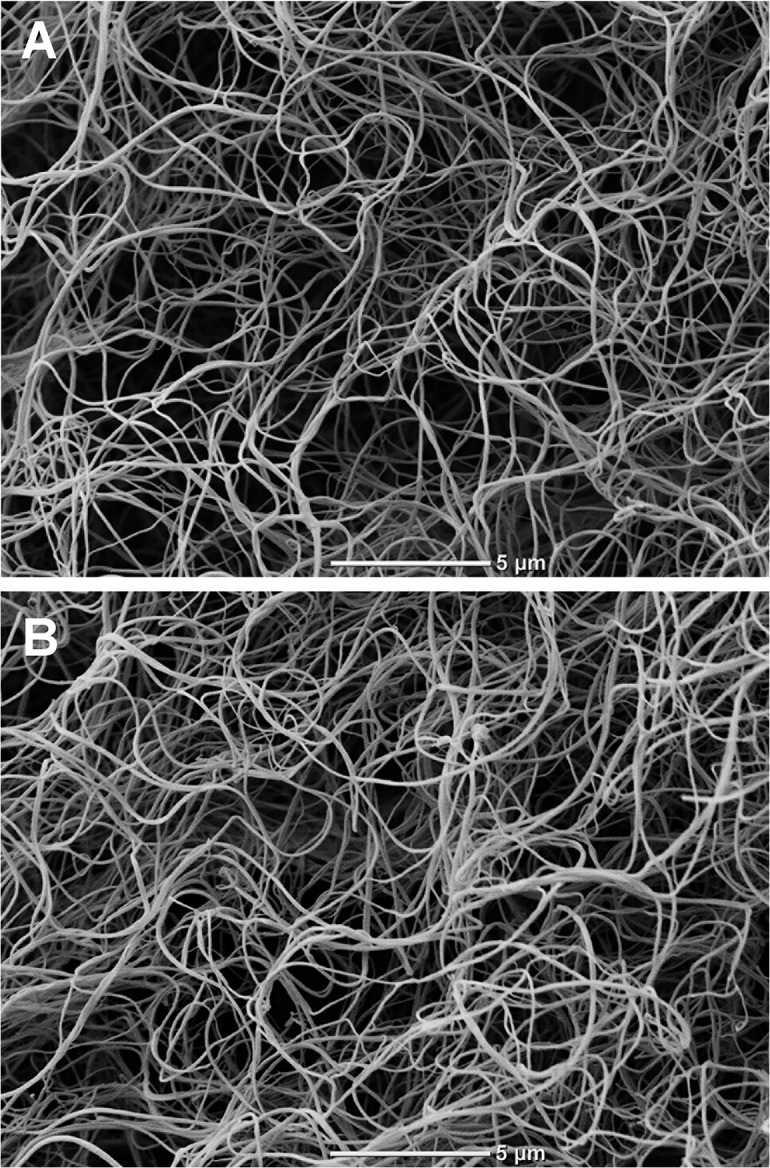
Results: Women with HMB formed looser plasma fibrin clots (+16% [95%CI 7-18%] Ks) that displayed lower maximum absorbancy (-7% [95%CI -9 - -1%] ΔAbsmax), and shorter clot lysis time (-17% [95%CI -23 - -11%] CLT). The HMB patients and controls did not differ with regard to coagulation factors, fibrinogen, von Willebrand antigen, thrombin generation markers and the proportion of subjects with defective platelet aggregation. The patients had lower platelet count (-12% [95%CI -19 - -2%]), tissue plasminogen activator antigen (-39% [95%CI -41 - -29%] tPA:Ag), and plasminogen activator inhibitor-1 antigen (-28% [95%CI -38 - -18%] PAI-1:Ag) compared with the controls. Multiple regression analysis upon adjustment for age, body mass index, glucose, and fibrinogen showed that decreased tPA:Ag and shortened CLT were the independent predictors of HMB.
Conclusions: Increased clot permeability and susceptibility to fibrinolysis are associated with HMB, suggesting that altered plasma fibrin clot properties might contribute to bleeding disorders of unknown origin.
Conflict of interest statement
Figures
References
-
- Vessey MP, Villard-Mackintosh L, McPherson K, Coulter A, Yeates D. (1992) The epidemiology of hysterectomy: findings in a large cohort study. Br J Obstet Gynaecol 99: 402–407. - PubMed
-
- Cote I, Jacobs P, Cumming D. (2002) Work loss associated with increased menstrual loss in the United States. Obstet Gynecol 100: 683–687. - PubMed
-
- Kujovich JL. (2005) von Willebrand’s disease and menorrhagia: prevalence, diagnosis, and management. Am J Hematol 79: 220–228. - PubMed
-
- Philipp CS, Dilley A, Miller CH, Evatt B, Baranwal A, Schwartz R, et al. (2003) Platelet functional defects in women with unexplained menorrhagia. J Thromb Haemost 1: 477–484. - PubMed
Publication types
MeSH terms
Substances
LinkOut - more resources
Full Text Sources
Other Literature Sources
Miscellaneous
