


Insight into the beneficial immunomodulatory mechanism of the sevoflurane metabolite hexafluoro-2-propanol in a rat model of endotoxaemia
- PMID: 25925908
- PMCID: PMC4557383
- DOI: 10.1111/cei.12648
Insight into the beneficial immunomodulatory mechanism of the sevoflurane metabolite hexafluoro-2-propanol in a rat model of endotoxaemia
Abstract
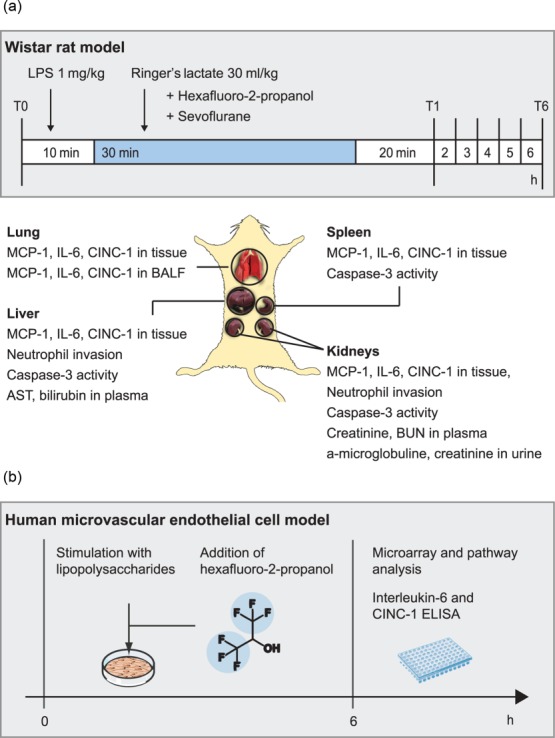
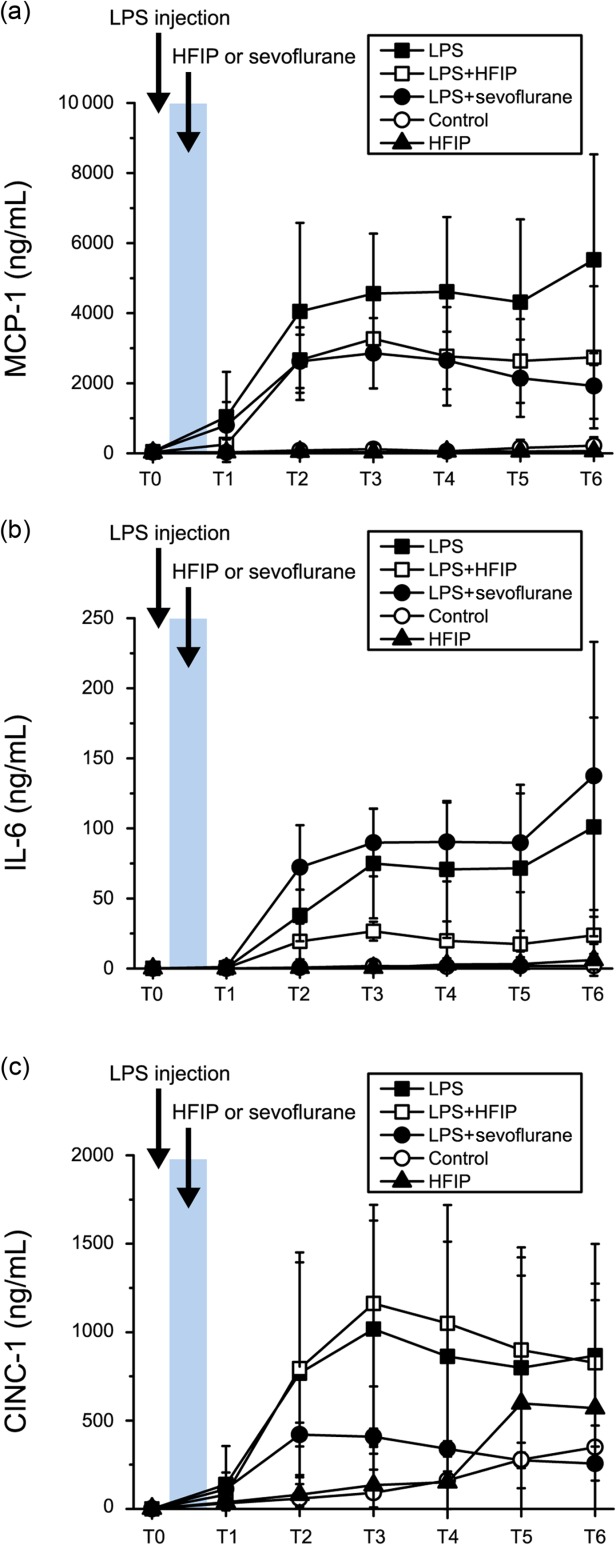
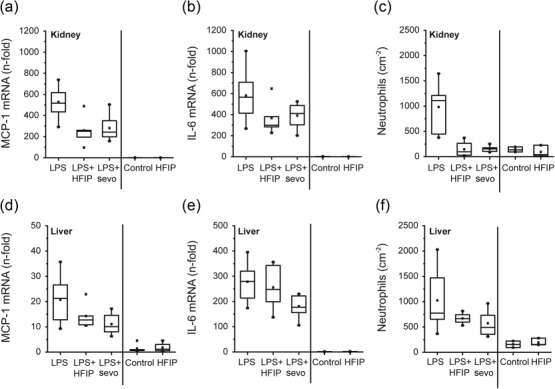
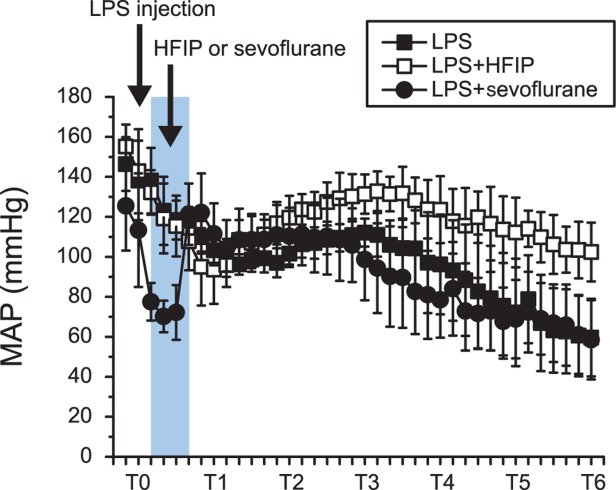
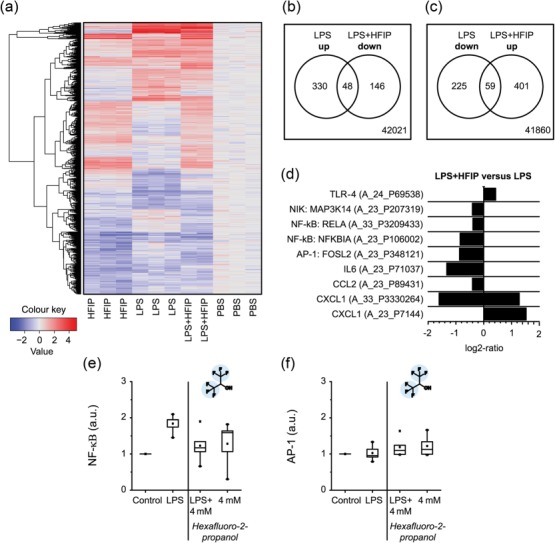
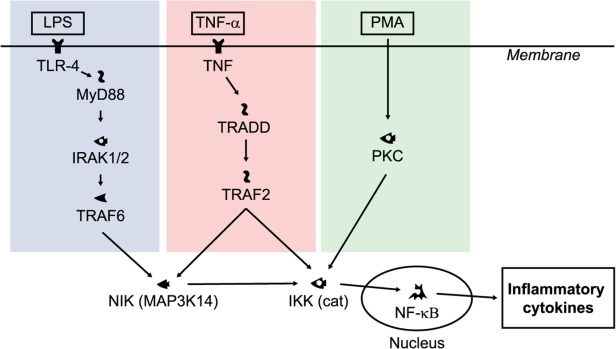
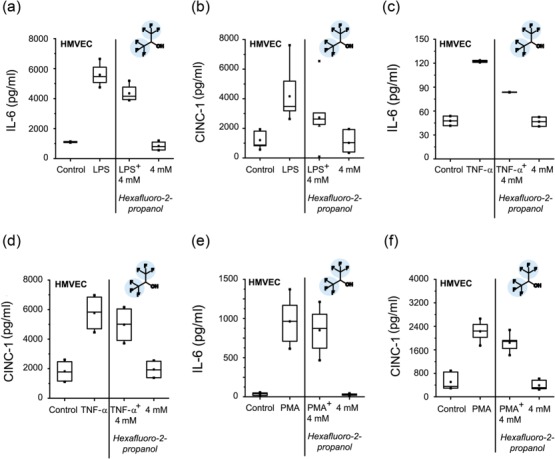
Volatile anaesthetics such as sevoflurane attenuate inflammatory processes, thereby impacting patient outcome significantly. Their inhalative administration is, however, strictly limited to controlled environments such as operating theatres, and thus an intravenously injectable immunomodulatory drug would offer distinct advantages. As protective effects of volatile anaesthetics have been associated with the presence of trifluorinated carbon groups in their basic structure, in this study we investigated the water-soluble sevoflurane metabolite hexafluoro-2-propanol (HFIP) as a potential immunomodulatory drug in a rat model of endotoxic shock. Male Wistar rats were subjected to intravenous lipopolysaccharide (LPS) and thereafter were treated with HFIP. Plasma and tissue inflammatory mediators, neutrophil invasion, tissue damage and haemodynamic stability were the dedicated end-points. In an endotoxin-induced endothelial cell injury model, underlying mechanisms were elucidated using gene expression and gene reporter analyses. HFIP reduced the systemic inflammatory response significantly and decreased endotoxin-induced tissue damage. Additionally, the LPS-provoked drop in blood pressure of animals was resolved by HFIP treatment. Pathway analysis revealed that the observed attenuation of the inflammatory process was associated with reduced nuclear factor kappa B (NF-κΒ) activation and suppression of its dependent transcripts. Taken together, intravenous administration of HFIP exerts promising immunomodulatory effects in endotoxaemic rats. The possibility of intravenous administration would overcome limitations of volatile anaesthetics, and thus HFIP might therefore represent an interesting future drug candidate for states of severe inflammation.
Keywords: anaesthesia; fluorinated carbon groups; inflammation; interleukin; sepsis.
© 2015 British Society for Immunology.
Figures
References
-
- Lagu T, Rothberg MB, Shieh MS, Pekow PS, Steingrub JS, Lindenauer PK. Hospitalizations, costs, and outcomes of severe sepsis in the United States 2003 to 2007. Crit Care Med. 2012;40:754–61. - PubMed
-
- Gaieski DF, Mikkelsen ME, Band RA, et al. Impact of time to antibiotics on survival in patients with severe sepsis or septic shock in whom early goal-directed therapy was initiated in the emergency department. Crit Care Med. 2010;38:1045–53. - PubMed
-
- Dellinger RP, Levy MM, Rhodes A, et al. Surviving sepsis campaign: international guidelines for management of severe sepsis and septic shock: 2012. Crit Care Med. 2013;41:580–637. - PubMed
-
- Landoni G, Fochi O, Tritapepe L, et al. Cardiac protection by volatile anesthetics. A review. Minerva Anestesiol. 2009;75:269–73. - PubMed
-
- Beck-Schimmer B, Breitenstein S, Urech S, et al. A randomized controlled trial on pharmacological preconditioning in liver surgery using a volatile anesthetic. Ann Surg. 2008;248:909–18. - PubMed
Publication types
MeSH terms
Substances
Grants and funding
LinkOut - more resources
Full Text Sources
Other Literature Sources
Molecular Biology Databases
Research Materials
