


Health disparities and cancer: racial disparities in cancer mortality in the United States, 2000-2010
- PMID: 25932459
- PMCID: PMC4398881
- DOI: 10.3389/fpubh.2015.00051
Health disparities and cancer: racial disparities in cancer mortality in the United States, 2000-2010
Abstract
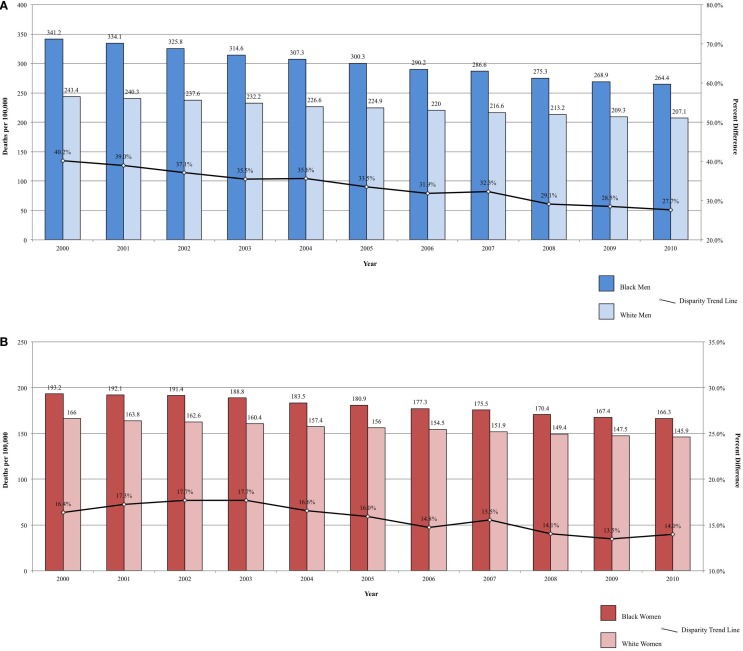
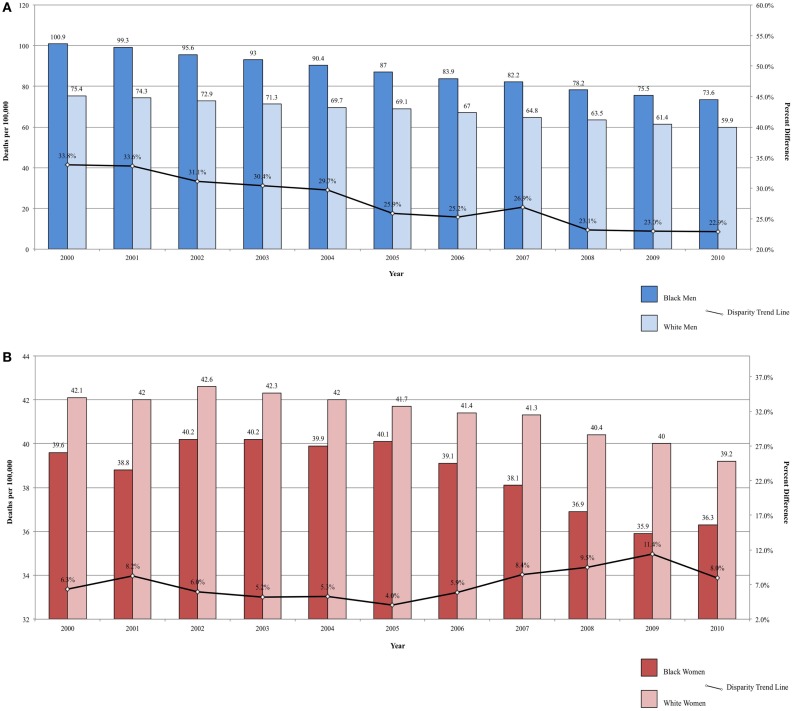
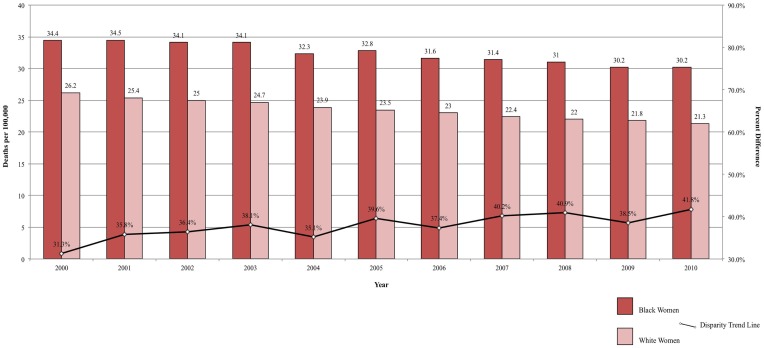
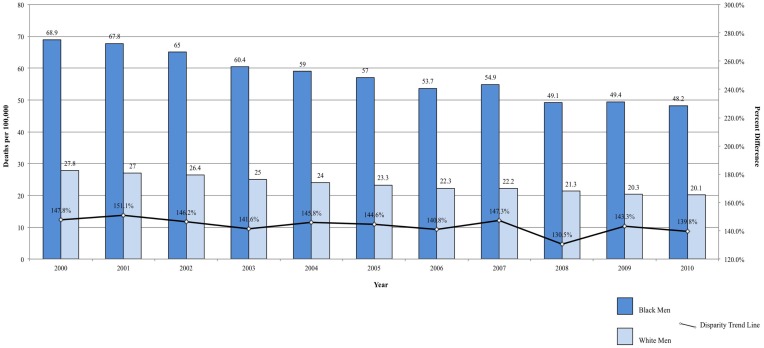
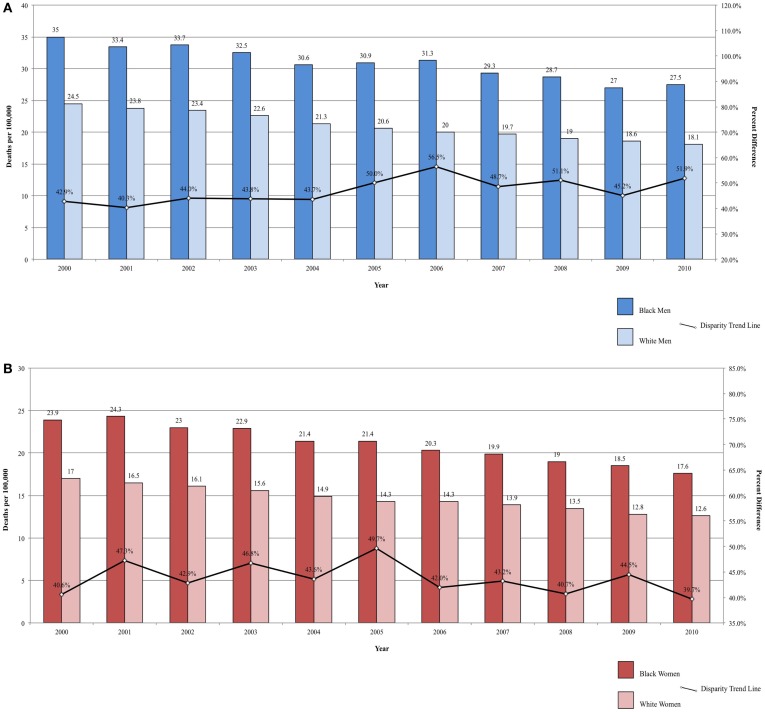
Declining cancer incidence and mortality rates in the United States (U.S.) have continued through the first decade of the twenty-first century. Reductions in tobacco use, greater uptake of prevention measures, adoption of early detection methods, and improved treatments have resulted in improved outcomes for both men and women. However, Black Americans continue to have the higher cancer mortality rates and shorter survival times. This review discusses and compares the cancer mortality rates and mortality trends for Blacks and Whites. The complex relationship between socioeconomic status and race and its contribution to racial cancer disparities is discussed. Based on current trends and the potential and limitations of the patient protection and affordable care act with its mandate to reduce health care inequities, future trends, and challenges in cancer mortality disparities in the U.S. are explored.
Keywords: affordable care act; cancer mortality; disparities; race/ethnicity; socioeconomic status.
Figures
References
-
- Singh GK, Miller BA, Hankey BF, Edwards BK. Area Socioeconomic Variations in U.S. Cancer Incidence, Mortality, Stage, Treatment, and Survival, 1975-1999. NCI Cancer Surveillance Monograph Series, Number 4. Bethesda, MD: National Cancer Institute; (2003). NIH Publication No. 03-5417.
Publication types
Grants and funding
LinkOut - more resources
Full Text Sources
Other Literature Sources
