Inhibition of Mouse Breast Tumor-Initiating Cells by Calcitriol and Dietary Vitamin D
- PMID: 25934710
- PMCID: PMC4549392
- DOI: 10.1158/1535-7163.MCT-15-0066
Inhibition of Mouse Breast Tumor-Initiating Cells by Calcitriol and Dietary Vitamin D
Abstract
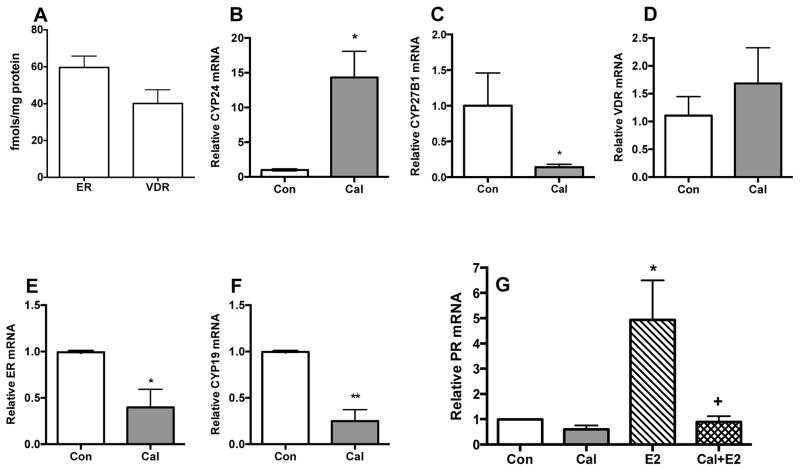
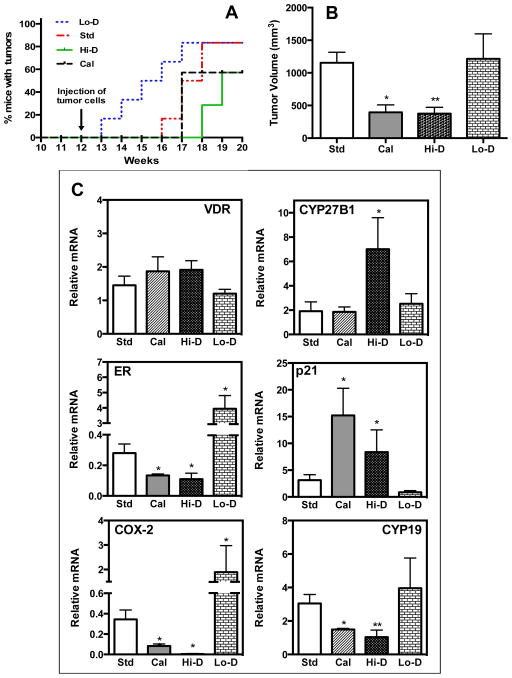
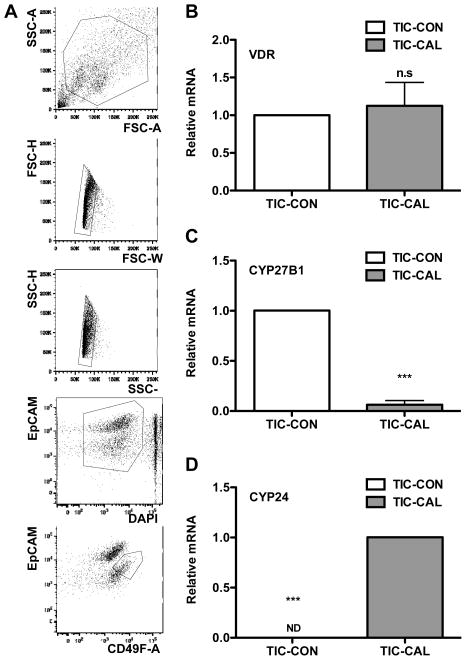
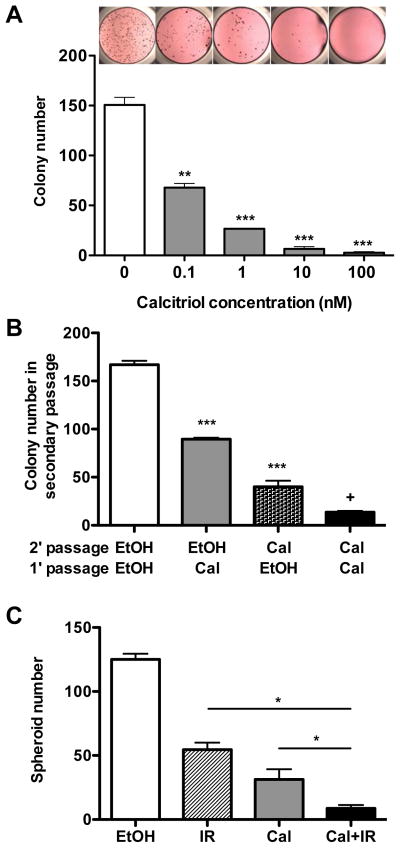
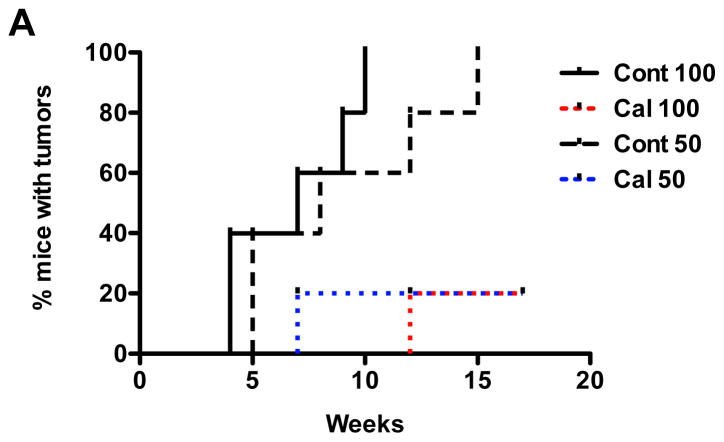
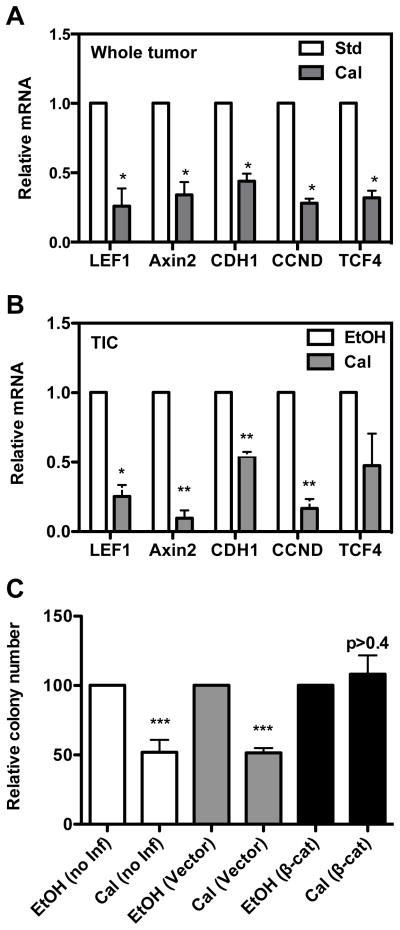
The anticancer actions of vitamin D and its hormonally active form, calcitriol, have been extensively documented in clinical and preclinical studies. However, the mechanisms underlying these actions have not been completely elucidated. Here, we examined the effect of dietary vitamin D and calcitriol on mouse breast tumor-initiating cells (TICs, also known as cancer stem cells). We focused on MMTV-Wnt1 mammary tumors, for which markers for isolating TICs have previously been validated. We confirmed that these tumors expressed functional vitamin D receptors and estrogen receptors (ER) and exhibited calcitriol-induced molecular responses including ER downregulation. Following orthotopic implantation of MMTV-Wnt1 mammary tumor cells into mice, calcitriol injections or a vitamin D-supplemented diet caused a striking delay in tumor appearance and growth, whereas a vitamin D-deficient diet accelerated tumor appearance and growth. Calcitriol inhibited TIC tumor spheroid formation in a dose-dependent manner in primary cultures and inhibited TIC self-renewal in secondary passages. A combination of calcitriol and ionizing radiation inhibited spheroid formation more than either treatment alone. Further, calcitriol significantly decreased TIC frequency as evaluated by in vivo limiting dilution analyses. Calcitriol inhibition of TIC spheroid formation could be overcome by the overexpression of β-catenin, suggesting that the inhibition of Wnt/β-catenin pathway is an important mechanism mediating the TIC inhibitory activity of calcitriol in this tumor model. Our findings indicate that vitamin D compounds target breast TICs reducing tumor-initiating activity. Our data also suggest that combining vitamin D compounds with standard therapies may enhance anticancer activity and improve therapeutic outcomes.
©2015 American Association for Cancer Research.
Conflict of interest statement
Figures
References
-
- Angeloni V, Tiberio P, Appierto V, Daidone MG. Implications of stemness-related signaling pathways in breast cancer response to therapy. Seminars in cancer biology. 2014 - PubMed
-
- Li X, Lewis MT, Huang J, Gutierrez C, Osborne CK, Wu MF, et al. Intrinsic resistance of tumorigenic breast cancer cells to chemotherapy. Journal of the National Cancer Institute. 2008;100:672–9. - PubMed
-
- Haussler MR, Whitfield GK, Kaneko I, Haussler CA, Hsieh D, Hsieh JC, et al. Molecular mechanisms of vitamin D action. Calcified tissue international. 2013;92:77–98. - PubMed