. 2015 May 7;10(5):e0126190.
doi: 10.1371/journal.pone.0126190. eCollection 2015.

Arterial Hypertension Is Characterized by Imbalance of Pro-Angiogenic versus Anti-Angiogenic Factors

Affiliations

Arterial Hypertension Is Characterized by Imbalance of Pro-Angiogenic versus Anti-Angiogenic Factors

Natalia Marek-Trzonkowska et al. PLoS One. .

Abstract

Objective: Hypertension is the most common cardiovascular disease and the main risk factor for stroke, peripheral arterial disease, arterial aneurysms and kidney disease. It has been reported recently that hypertensive patients and animals are characterized by decreased density of arterioles and capillaries in the tissues, called rarefaction. Rarefaction significantly increases peripheral resistance which results in elevated blood pressure, leads to vessel damage and induction of inflammation. Therefore, we hypothesized that hypertension is associated with decreased serum concentration of physiological pro-angiogenic factors and concomitant increased production of angiogenesis inhibitors.

Materials and methods: 82 patients diagnosed with hypertension and 34 healthy volunteers were recruited to the study. Flow cytometry and enzyme-linked immunosorbent assay (ELISA) techniques were used to measure serum levels of the following cytokines: endostatin, vascular endothelial growth factor (VEGF), interleukin 8 (IL-8), angiogenin, and basic fibroblast growth factor (bFGF).

Results: Hypertensive patients were characterized by increased serum concentration of endostatin which is an anti-angiogenic factor. In addition, hypertension was associated with decreased levels of physiological pro-angiogenic mediators such as: angiogenin and bFGF. The hypertensive group was also characterized by elevated levels of CRP, VEGF and IL-8 that are the hallmarks of inflammation.

Conclusions: Presented results show that hypertension is characterized by imbalance of pro-angiogenic and anti-angiogenic factors in the background of inflammation.


Conflict of interest statement

Competing Interests: The authors have declared that no competing interests exist.

Figures

Fig 1
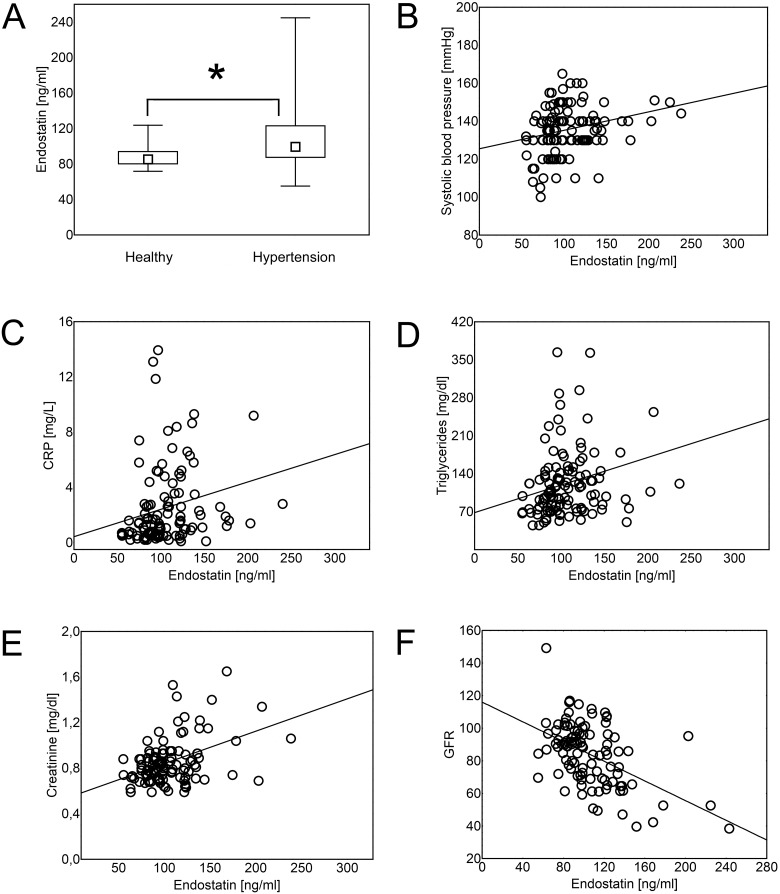
Fig 1. Endostatin concentration in hypertension.
Hypertension was associated with increased serum levels of endostatin (Mann- Whitney U test; p = 8x10⁻⁴). The data are presented as medians (symbols inside the boxes), 25–75% percentiles (boundaries of the boxes) and minimum—maximum (error bars outside the boxes). Statistical significance (p<0.05) is marked with “*” (A). Endostatin concentration was in positive correlation (Spearman’s rank correlation) with systolic blood pressure (B; R = 0.287, p = 1x10⁻³), CRP (C; R = 0,326,p = 4x10⁻⁴), triglycerides (D; R = 0.260, p = 4x10⁻³), serum creatinine (E; R = 0,313 p = 8x10⁻⁴) and in negative correlation with glomerular filtration rate (GFR) (F; R = -0.42, p = 1x10⁻⁵). Correlations were calculated for both- hypertensive and healthy individuals together.
Fig 2
Fig 2. VEGF concentration in hypertension.
Hypertension was associated with increased serum levels of VEGF (Mann- Whitney U test; p = 0.02). The data are presented as medians (symbols inside the boxes), 25–75% percentiles (boundaries of the boxes) and minimum—maximum (error bars outside the boxes). Statistical significance (p<0.05) is marked with “*” (A). Concentration of VEGF was in positive correlation (Spearman’s rank correlation) with systolic blood pressure (B; R = 0,337, p = 3x10⁻³), CRP (C; R = 0.265, p = 0.02), serum creatinine (D; R = 0.253, p = 0.03) and in negative correlation with glomerular filtration rate (GFR) (E; R = -0.24, p = 0.04). Correlations were calculated for both- hypertensive and healthy individuals together.
Fig 3
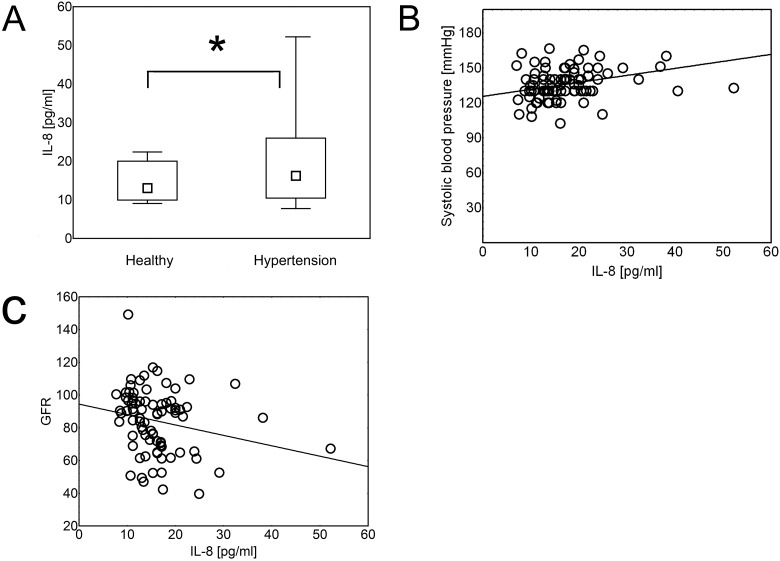
Fig 3. IL-8 concentration in hypertension.
Hypertension was associated with increased serum levels of IL = 8 (Mann- Whitney U test; p = 0.02). The data are presented as medians (symbols inside the boxes), 25–75% percentiles (boundaries of the boxes) and minimum—maximum (error bars outside the boxes). Statistical significance (p<0.05) is marked with “*” (A). Concentration of IL = 8 was in positive correlation (Spearman’s rank correlation) with systolic blood pressure (B; R = 0,326, p = 1x10⁻³) and in negative correlation with glomerular filtration rate (GFR) (C; R = -0.26, p = 0.01). Correlations were calculated for both- hypertensive and healthy individuals together.
Fig 4
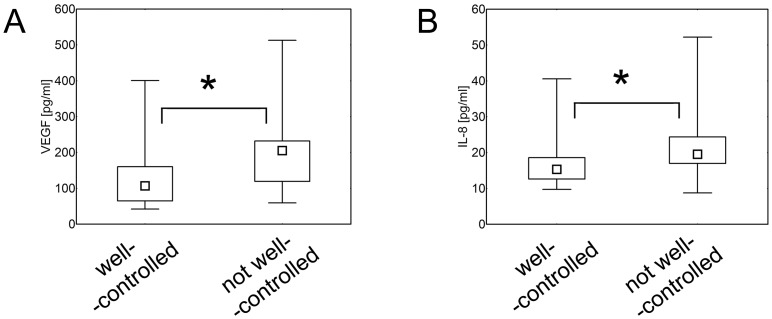
Fig 4. Control of hypertension and serum concentration of cytokines.
Patients with well controlled hypertension had lower serum levels of VEGF (A) and IL = 8 (B) (Mann- Whitney U test; p = 8x10⁻³ and p = 7x10⁻³, respectively) in comparison with individuals with not well-controlled hypertension. The data are presented as medians (symbols inside the boxes), 25–75% percentiles (boundaries of the boxes) and minimum—maximum (error bars outside the boxes). Statistical significance (p<0.05) is marked with “*”.
Fig 5
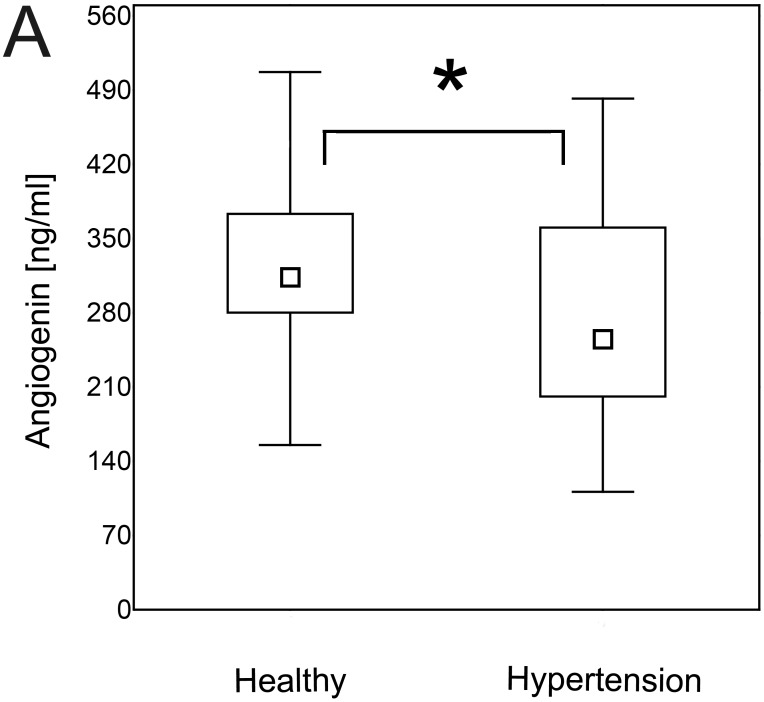
Fig 5. Angiogenin concentration in hypertension.
Patients with hypertension were characterized by lower serum concentration of angiogenin than healthy individuals (Mann- Whitney U test; p = 0.01). The data are presented as medians (symbols inside the boxes), 25–75% percentiles (boundaries of the boxes) and minimum—maximum (error bars outside the boxes). Statistical significance (p<0.05) is marked with “*”.
Fig 6
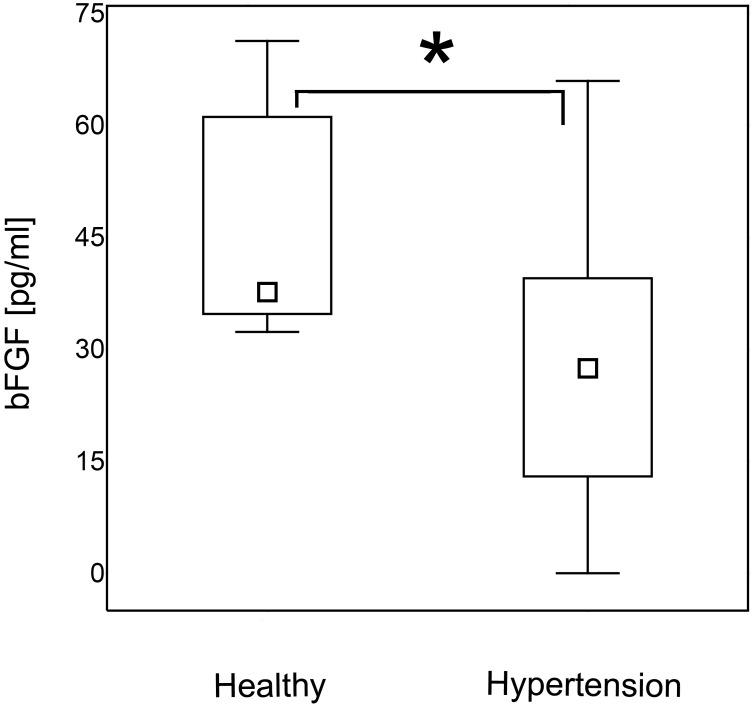
Fig 6. bFGF concentration in hypertension.
Patients with hypertension were characterized by lower serum concentration of bFGF than healthy individuals (Mann- Whitney U test; p = 0.01). The data are presented as medians (symbols inside the boxes), 25–75% percentiles (boundaries of the boxes) and minimum—maximum (error bars outside the boxes). Statistical significance (p<0.05) is marked with “*”.
Fig 7
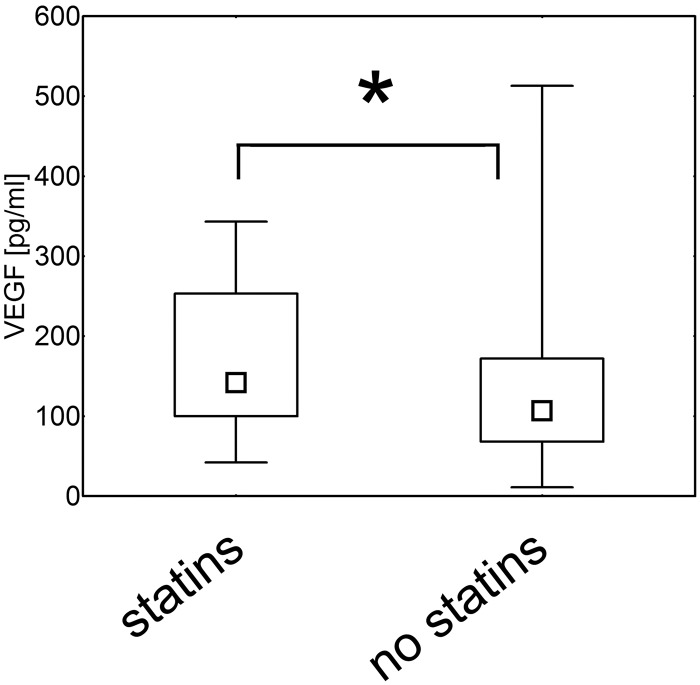
Fig 7. Statin treatment and serum levels of VEGF.
Healthy and hypertensive individuals treated with statins had increased serum levels of VEGF when compared with not treated subjects (Mann- Whitney U test; p = 0.04). The data are presented as medians (symbols inside the boxes), 25–75% percentiles (boundaries of the boxes) and minimum-maximum (error bars outside the boxes). Statistical significance (p<0.05) is marked with “*”.

References

    1. Félétou M, Vanhoutte PM. Endothelial dysfunction: a multifaceted disorder (The Wiggers Award Lecture). Am J Physiol Heart Circ Physiol. 2006;291: H985–1002. - PubMed
    1. Bobik A. The structural basis of hypertension: vascular remodelling, rarefaction and angiogenesis/arteriogenesis. J Hypertens. 2005;23: 1473–1475. - PubMed
    1. Touyz RM. Intracellular mechanisms involved in vascular remodelling of resistance arteries in hypertension: role of angiotensin II. Exp Physiol. 2005;90: 449–455. - PubMed
    1. Humar R, Zimmerli L, Battegay E. Angiogenesis and hypertension: an update. J Hum Hypertens. 2009;23: 773–782. 10.1038/jhh.2009.63 - DOI - PubMed
    1. Maitland ML, Bakris GL, Black HR, Chen HX, Durand JB, Elliott WJ, et al. Initial assessment, surveillance and management of blood pressure patients receiving vascular endothelial growth factor signalling pathway inhibitors. J Natl Cancer Inst. 2010;102: 596–604. 10.1093/jnci/djq091 - DOI - PMC - PubMed

Publication types