


Determinants of family planning service uptake and use of contraceptives among postpartum women in rural Uganda
- PMID: 25967466
- PMCID: PMC4644123
- DOI: 10.1007/s00038-015-0683-x
Determinants of family planning service uptake and use of contraceptives among postpartum women in rural Uganda
Abstract
Objective: Uganda has one of the highest unmet needs for family planning globally, which is associated with negative health outcomes for women and population-level public health implications. The present cross-sectional study identified factors influencing family planning service uptake and contraceptive use among postpartum women in rural Uganda.
Methods: Participants were 258 women who attended antenatal care at a rural Ugandan hospital. We used logistic regression models in SPSS to identify determinants of family planning service uptake and contraceptive use postpartum.
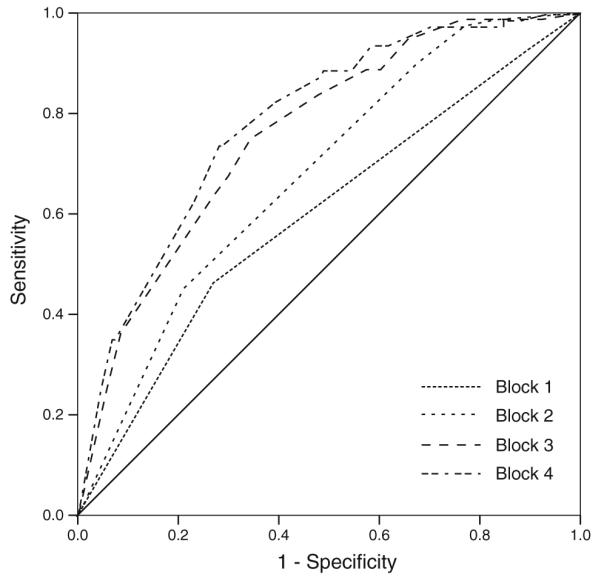
Results: Statistically significant predictors of uptake of family planning services included: education (AOR = 3.03, 95 % CI 1.57-5.83), prior use of contraceptives (AOR = 7.15, 95 % CI 1.58-32.37), partner communication about contraceptives (AOR = 1.80, 95 % CI 1.36-2.37), and perceived need of contraceptives (AOR = 2.57, 95 % CI 1.09-6.08). Statistically significant predictors of contraceptive use since delivery included: education (AOR = 2.04, 95 % CI 1.05-3.95), prior use of contraceptives (AOR = 10.79, 95 % CI 1.40-83.06), and partner communication about contraceptives (AOR = 1.81, 95 % CI 1.34-2.44).
Conclusions: Education, partner communication, and perceived need of family planning are key determinants of postpartum family planning service uptake and contraceptive use, and should be considered in antenatal and postnatal family planning counseling.
Keywords: Contraception; Family Planning; Uganda.
Figures


References
-
- Agyei WKA, Migadde M. Demographic and sociocultural factors influencing contraceptive use in Uganda. J Biosoc Sci. 1995;27:47–60. - PubMed
-
- Andersen R. A behavioral model for families’ use of health services. Center for Health Administration Studies Research Series, University of Chicago Press; Chicago: 1968. (Research Series No. 25).
-
- Andersen RM. Revisiting the behavioral model and access to medical care: does it matter? J Health Soc Behav. 1995;36(1):1–10. - PubMed
-
- Andersen RM, Newman JF. Social and individual determinants of medical care utilization in the United States. Milbank Meml Q. 1973;51:95–124. - PubMed
-
- Ankomah A, Anyanti J, Oladosu M. Myths, misinformation, and communication about family planning and contraceptive use in Nigeria. Open Access J Contracep. 2011;2:95–105. (2011) doi:10.2147/OAJC.S20921.
Publication types
MeSH terms
Grants and funding
LinkOut - more resources
Full Text Sources
Other Literature Sources
