. 2015 May 13;10(5):e0126501.
doi: 10.1371/journal.pone.0126501. eCollection 2015.

Noninvasive Digital Detection of Fetal DNA in Plasma of 4-Week-Pregnant Women following In Vitro Fertilization and Embryo Transfer

Affiliations

Noninvasive Digital Detection of Fetal DNA in Plasma of 4-Week-Pregnant Women following In Vitro Fertilization and Embryo Transfer

Bedri Karakas et al. PLoS One. .

Abstract

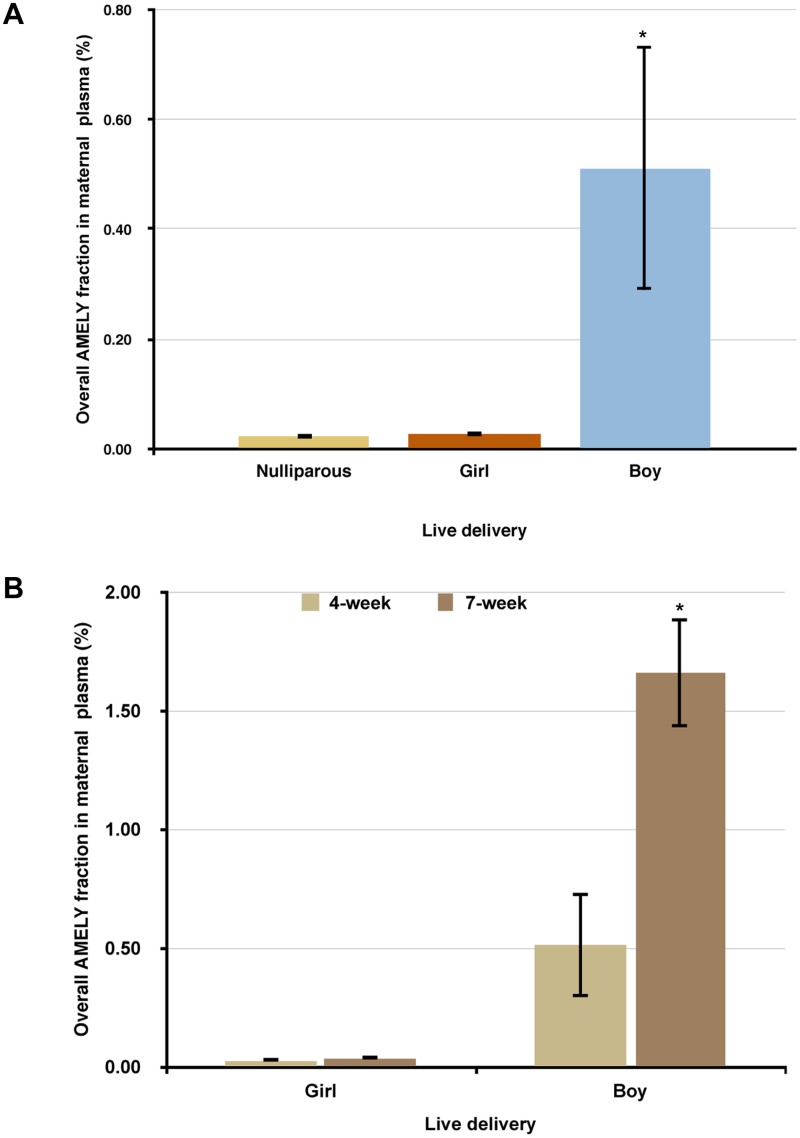
The discovery of cell-free fetal DNA (cfDNA) circulating in the maternal blood has provided new opportunities for noninvasive prenatal diagnosis (NIPD). However, the extremely low levels of cfDNA within a high background of the maternal DNA in maternal circulation necessitate highly sensitive molecular techniques for its reliable use in NIPD. In this proof of principle study, we evaluated the earliest possible detection of cfDNA in the maternal plasma by a bead-based emulsion PCR technology known as BEAMing (beads, emulsion, amplification, magnetics). Blood samples were collected from in vitro fertilization (IVF) patients at 2 to 6 weeks following embryo transfer (i.e., 4 to 8 week pregnancies) and plasma DNA was extracted. The genomic regions of both X and Y chromosome-specific sequences (AMELX and AMELY) were concurrently amplified in two sequential PCRs; first by conventional PCR then by BEAMing. The positive beads either for AMELX or AMELY gene sequences were counted by a flow cytometer. Our results showed that the pregnancies yielding boys had significantly higher plasma AMELY gene fractions (0.512 ± 0.221) than the ones yielding girls (0.028 ± 0.003) or non-pregnant women (0.020 ± 0.005, P= 0.0059). Here, we clearly demonstrated that the BEAMing technique is capable of reliably detecting cfDNA in the blood circulation of 4-week-pregnant women, which is only two weeks after the embryo transfer. BEAMing technique can also be used to early detect fetal DNA alterations in other pregnancy-associated disorders.


Conflict of interest statement

Competing Interests: The authors have declared that no competing interests exist.

Figures

Fig 1
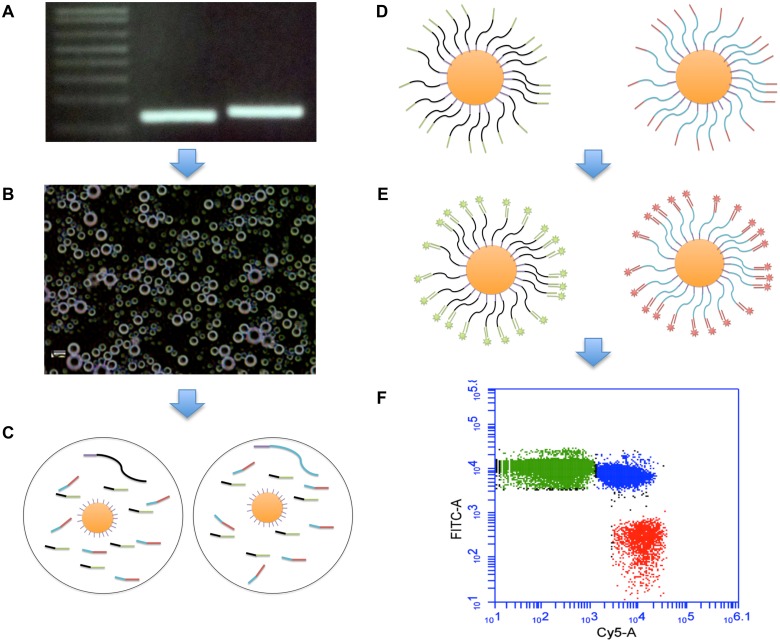
Fig 1. An overview of the BEAMing protocol.
(A) AMELX and AMELY gene products from the preamplification step, (B) water-in-oil emulsion droplets that include PCR reaction mix with allele specific primers for AMELX and AMELY genes, a single DNA molecule from the preamplification step, and a single primer-coated magnetic bead, (C) oil droplets each harboring either the AMELX or AMELY gene fragment, (D) beads coated with either AMELX or AMELY-specific DNA following the BEAMing reaction, (E) beads hybridized either with the Cy5-AMELY or FITC-AMELX probe, (F) flow cytometry result of a test sample. Green beads represent AMELX, red beads AMELY, and blue beads represent both AMELX and AMELY-specific DNA sequences.
Fig 2
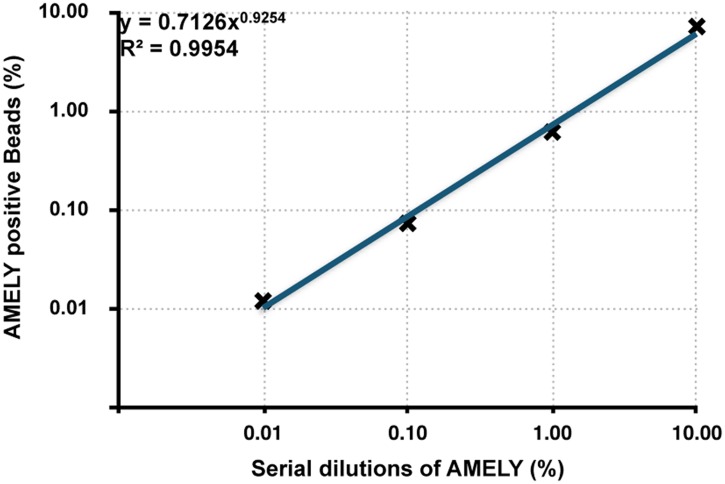
Fig 2. The sensitivity and accuracy of the BEAMing technique.
Human genomic DNA from a male subject (AMELY) is serially diluted with the female DNA (AMELX) in concentrations of 10%, 1%, 0.1%, and 0.01% AMELY (r2>0.99).
Fig 3
Fig 3
(A) The mean and standard error (SE) of the AMELY gene fractions from plasma samples of the nulliparous women (n = 10), the 4-week-pregnant mothers with girl deliveries (n = 4), and the 4-week-pregnant mothers with boy deliveries (n = 5). (B) The mean and standard error (SE) of the AMELY gene fractions of the plasma samples of 4 or 7 week-pregnant women with either girl or boy deliveries. *Statistically significant (P<0.05).
Fig 4
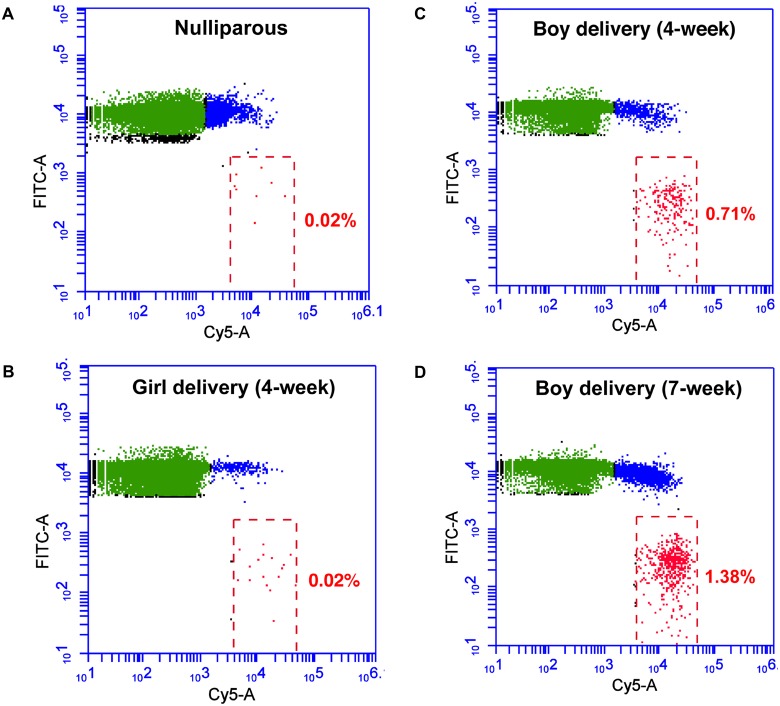
Fig 4. The representative flow cytometric profiles showing the plasma AMELY fractions (red beads) of (A) a nulliparous woman, (B) a 4-week-pregnant mother who delivered a girl, (C) a 4-week-pregnant mother who delivered a boy, (D) a 7-week-pregnant mother who delivered a boy.
Sample names and percent AMELY positive fractions are shown on each plot.

References

    1. Bianchi DW. From prenatal genomic diagnosis to fetal personalized medicine: progress and challenges. Nat Med. 2011; 18: 1041–1051. - PMC - PubMed
    1. Ferguson-Smith MA, Bianchi DW. Prenatal Diagnosis: past, present, and future. Prenat Diagn. 2010;30: 601–604. 10.1002/pd.2574 - DOI - PubMed
    1. Resta RG. The first prenatal diagnosis of a fetal abnormality. J Genet Counsel. 1997;6: 81–84. - PubMed
    1. Herzenberg LA, Bianchi DW, Schröder J, Cann HM, Iverson M. Fetal cells in the blood of pregnant women: detection and enrichment by fluorescence-activated cell sorting. Proc Natl Acad Sci USA. 1979;76: 1453–1455. - PMC - PubMed
    1. Lo YMD, Corbetta N, Chamberlain PF, Rai V, Sargent IL, Redman CWG, et al. Presence of fetal DNA in maternal plasma and serum. The Lancet. 1997;350: 485–487. - PubMed

Publication types