


Cationic nanoemulsions as potential carriers for intracellular delivery
- PMID: 25972740
- PMCID: PMC4421023
- DOI: 10.1016/j.jsps.2014.07.007
Cationic nanoemulsions as potential carriers for intracellular delivery
Abstract
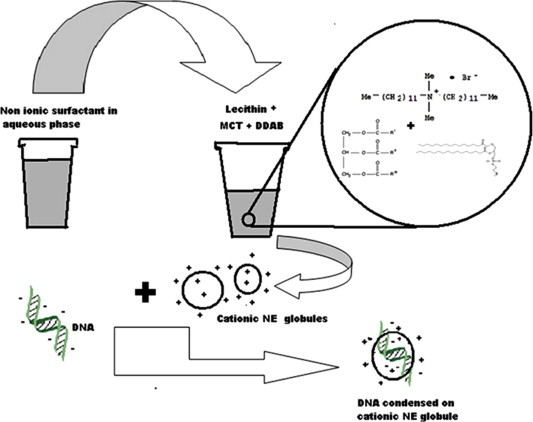
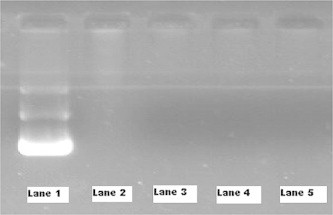
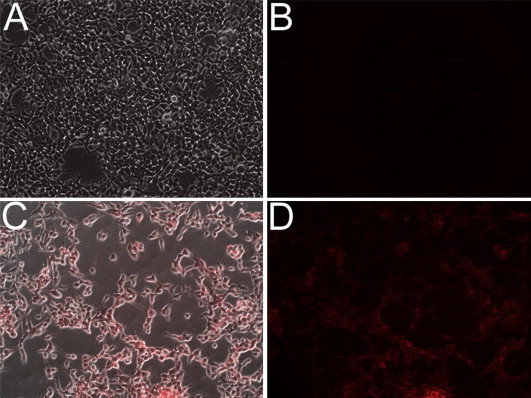
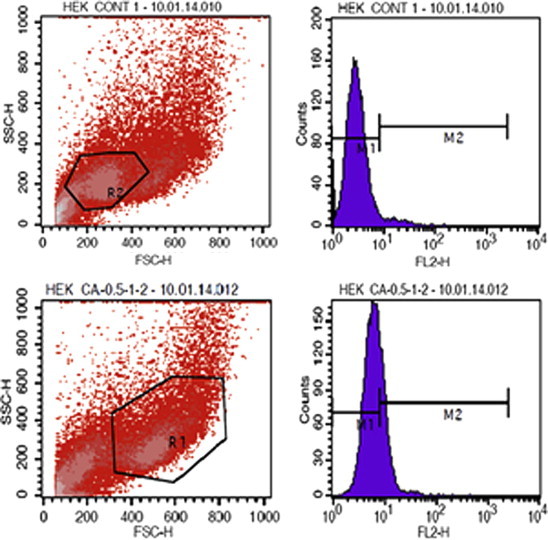
Successful cytosolic delivery enables opportunities for improved treatment of various genetic disorders, infectious diseases and cancer. Cationic nanoemulsions were designed using alternative excipients and evaluated for particle size, charge, effect of sterilization on its stability, DNA condensation potential and cellular uptake efficiency. Various concentrations of non-ionic and ionic stabilizers were evaluated to design formula for colloidally stable cationic nanoemulsion. The nanoemulsion comprised of 5% Capmul MCM, 0.5% didodecyldimethylammonium bromide (DDAB), 1% phospholipid, 1% Poloxamer 188 and 2.25% glycerol and possessed particle size of 81.6 ± 3.56 nm and 137.1 ± 1.57 nm before and after steam sterilization, respectively. DNA condensation studies were carried out at various nanoemulsion: DNA ratios ranging from 1:1 to 10:1. Cell uptake studies were conducted on human embryonic kidney (HEK) cell lines which are widely reported for transfection studies. The nanoemulsions showed excellent cellular uptake as evaluated by fluorescence microscopy and flow cytometry. Overall, a colloidally stable cationic nanoemulsion with good DNA condensation ability was successfully fabricated for efficient cytosolic delivery and potential for in vivo effectiveness.
Keywords: Cationic; Cytosolic delivery; Didodecyldimethylammonium bromide; Intracellular delivery; Nanoemulsion.
Figures
References
-
- Belting M. Heparan sulfate proteoglycan as a plasma membrane carrier. Trends Biochem. Sci. 2003;28:145–151. - PubMed
-
- Campbell R.B., Fukumura D., Brown E.B. Cationic charge determines the distribution of liposomes between the vascular and extravascular compartments of tumors. Cancer Res. 2002;62:6831. - PubMed
-
- Chou L.Y., Ming K., Chan W.C. Strategies for the intracellular delivery of nanoparticles. Chem. Soc. Rev. 2011;40:233–245. - PubMed
-
- de Araújo S.C., de Mattos A.C.A., Teixeira H.F. Improvement of in vitro efficacy of a novel schistosomicidal drug by incorporation into nanoemulsions. Int. J. Pharm. 2007;337:307–315. - PubMed
-
- Hung C.F., Hwang T.L., Chang C.C. Physicochemical characterization and gene transfection efficiency of lipid emulsions with various co-emulsifiers. Int. J. Pharm. 2005;289:197–208. - PubMed
LinkOut - more resources
Full Text Sources
Other Literature Sources
Miscellaneous
