


Updating experimental models of diabetic cardiomyopathy
- PMID: 25973429
- PMCID: PMC4417999
- DOI: 10.1155/2015/656795
Updating experimental models of diabetic cardiomyopathy
Abstract
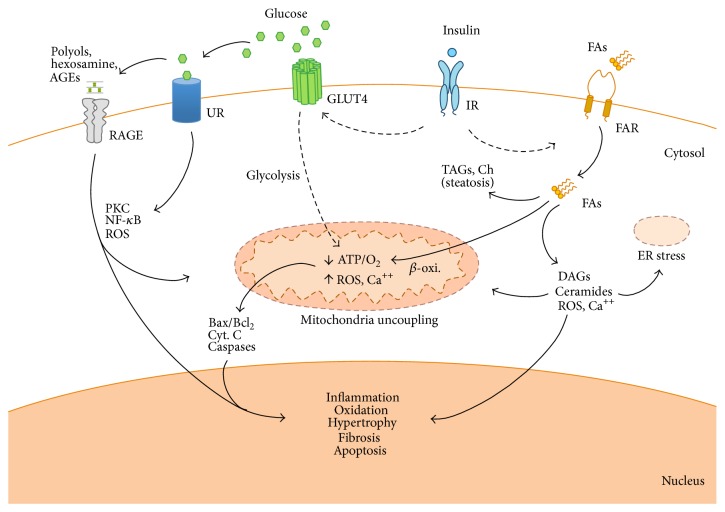
Diabetic cardiomyopathy entails a serious cardiac dysfunction induced by alterations in structure and contractility of the myocardium. This pathology is initiated by changes in energy substrates and occurs in the absence of atherothrombosis, hypertension, or other cardiomyopathies. Inflammation, hypertrophy, fibrosis, steatosis, and apoptosis in the myocardium have been studied in numerous diabetic experimental models in animals, mostly rodents. Type I and type II diabetes were induced by genetic manipulation, pancreatic toxins, and fat and sweet diets, and animals recapitulate the main features of human diabetes and related cardiomyopathy. In this review we update and discuss the main experimental models of diabetic cardiomyopathy, analysing the associated metabolic, structural, and functional abnormalities, and including current tools for detection of these responses. Also, novel experimental models based on genetic modifications of specific related genes have been discussed. The study of specific pathways or factors responsible for cardiac failures may be useful to design new pharmacological strategies for diabetic patients.
Figures
References
-
- Khan J. N., Wilmot E. G., Leggate M., et al. Subclinical diastolic dysfunction in young adults with Type 2 diabetes mellitus: a multiparametric contrast-enhanced cardiovascular magnetic resonance pilot study assessing potential mechanisms. European Heart Journal—Cardiovascular Imaging. 2014;15(11):1263–1269. doi: 10.1093/ehjci/jeu121. - DOI - PubMed
Publication types
MeSH terms
LinkOut - more resources
Full Text Sources
Other Literature Sources
Medical
