


Culturally Competent Strategies for Recruitment and Retention of African American Populations into Clinical Trials
- PMID: 25974328
- PMCID: PMC4626379
- DOI: 10.1111/cts.12285
Culturally Competent Strategies for Recruitment and Retention of African American Populations into Clinical Trials
Abstract
Purpose: To identify successful recruitment strategies, challenges and best practices for researchers to engage African American communities in clinical studies taken into consideration target participants' culture and context.
Methods: We reviewed 50 studies conducted from 2001 to 2012 at an inner-city research center to determine the type, duration, anticipated enrollments and actual enrollments. Survey was sent to study coordinators to obtain data on recruitment and retention strategies, challenges and dropout rates. We also interviewed 25 study coordinators on challenges and strategies.
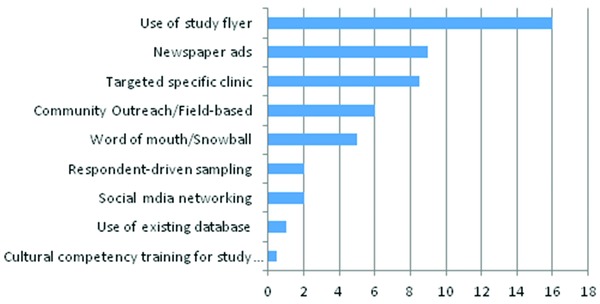
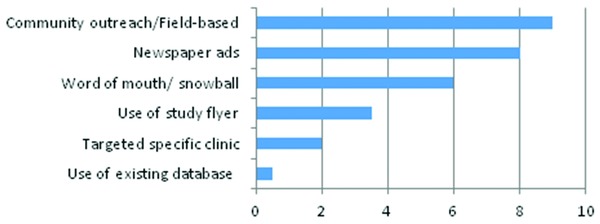
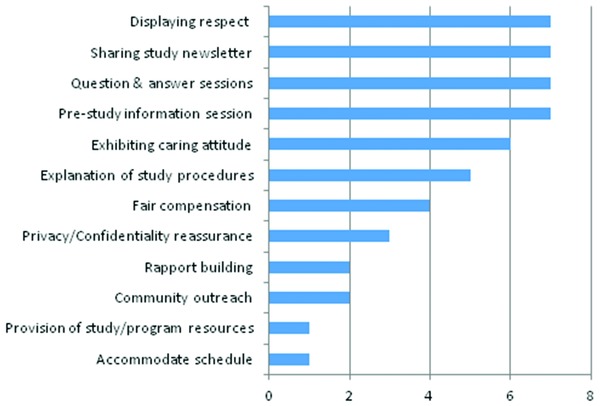
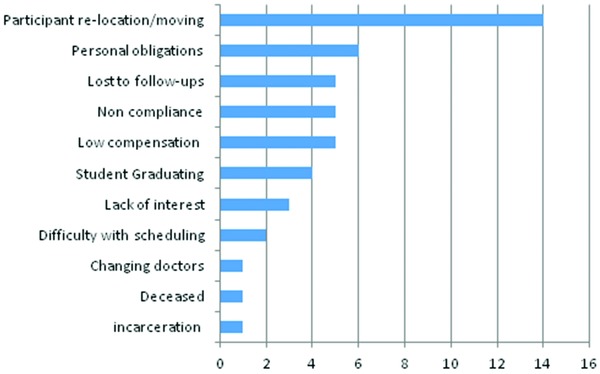
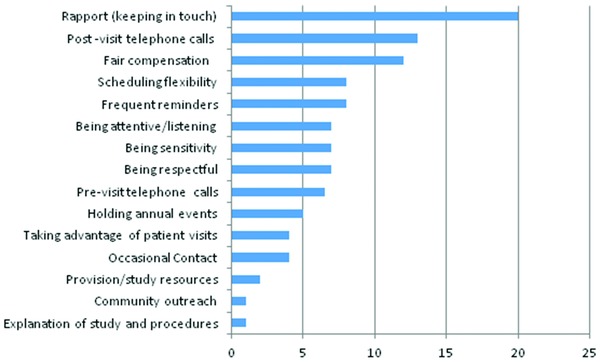
Results: Of the 50 studies, 24 had completed recruitment at the time of this report. The completed studies achieved a median recruitment rate of 88% (range: 50-110). Successful recruitment and retention strategies included: field-based strategy and snowballing. Major barriers were: distrust, compensation, education disadvantage, lack of interest, and inability to have study partner. Strategies to reduce barriers included providing informational sessions, disseminating newsletters about study outcomes. Best practices include being culturally sensitive including demonstrating a caring attitude and being responsive to participants needs.
Conclusions: Cultural competence is critical in order to design and implement successful recruitment strategies in this population. Research teams should consist of multiethnic staff, involve the community, demonstrate trust and deliver concise education of the research endeavor.
Keywords: African Americans; clinical trials; cultural competency; minorities; recruitment and retention strategies; underrepresented minorities.
© 2015 Wiley Periodicals, Inc.
Figures

References
-
- Braunstein, JB , Sherber NS, Schulman SP, Ding EL, Powe NR. Race, medical research distrust, perceived harm, and willingness to participate in cardiovascular prevention trials. Medicine. 2008; 87(1): 1–9. - PubMed
-
- Kennedy BR, Mathis CC, Woods AK. African Americans and their distrust of the health care system: healthcare for diverse populations. J Cult Divers. 2007; 4(2): 56–60. - PubMed
-
- Corbie‐Smith G, Thomas SB, St. George DMM. Distrust, race, and research. Arch Int Med. 2002; 162(21): 2458–2463. - PubMed
Publication types
MeSH terms
Grants and funding
LinkOut - more resources
Full Text Sources
Other Literature Sources
Medical
