


Evaluation of particle resuspension in young children's breathing zone using stationary and robotic (PIPER) aerosol samplers
- PMID: 25977589
- PMCID: PMC4426999
- DOI: 10.1016/j.jaerosci.2015.03.001
Evaluation of particle resuspension in young children's breathing zone using stationary and robotic (PIPER) aerosol samplers
Abstract
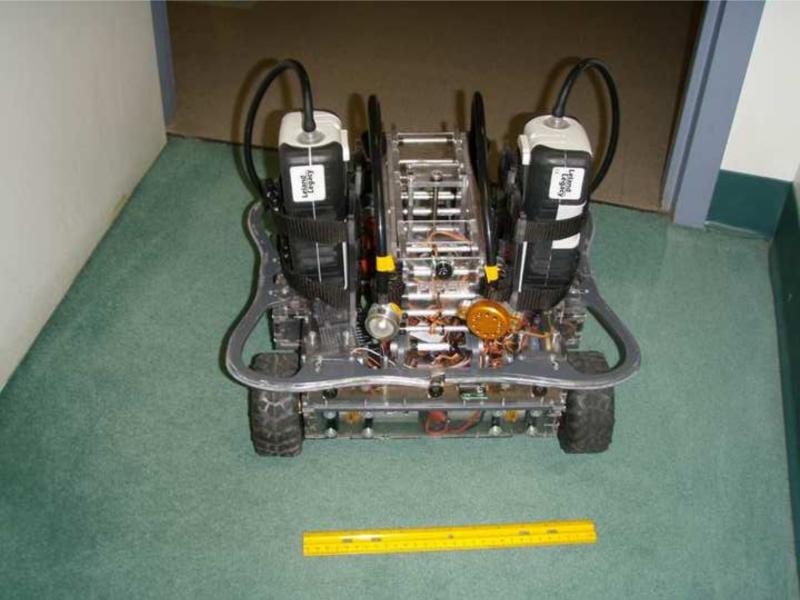
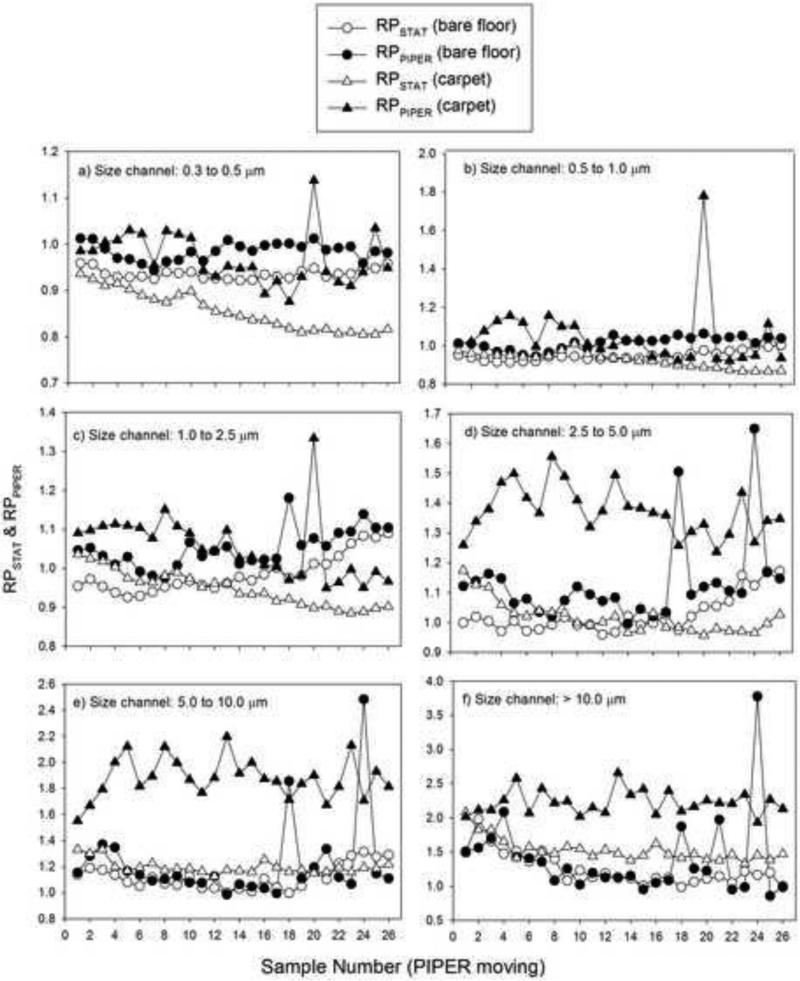
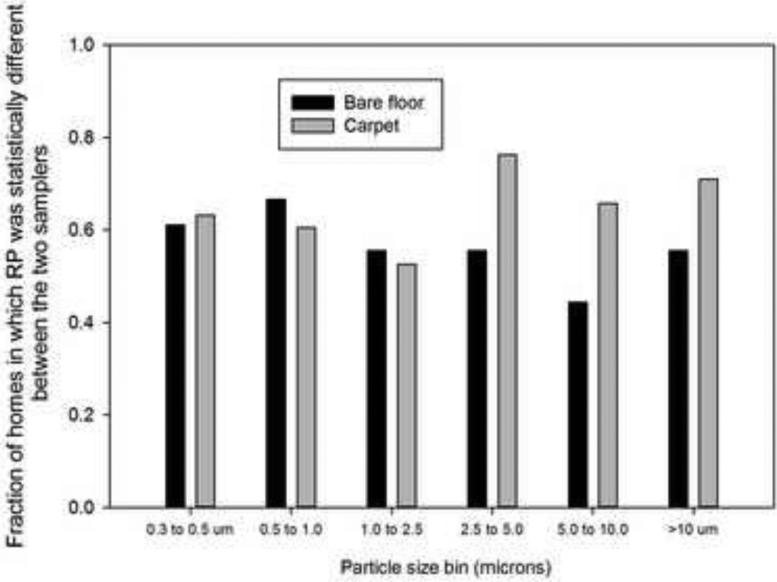
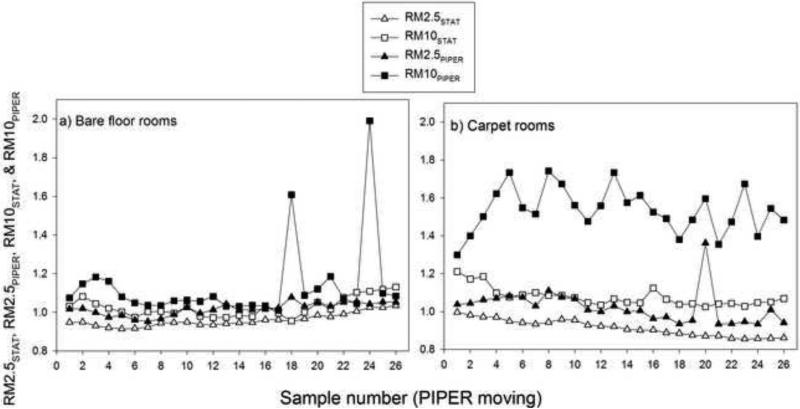
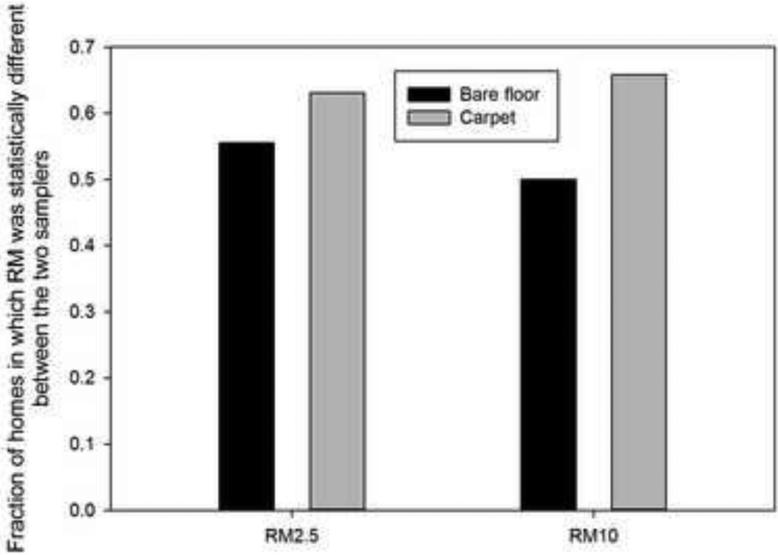
Development of asthma in young children may be associated with high exposure to particulate matter (PM). However, typical stationary samplers may not represent the personal exposure of children ages 3 and younger since they may not detect particles resuspended from the floor as children play, thus reducing our ability to correlate exposure and disease etiology. To address this, an autonomous robot, the Pretoddler Inhalable Particulate Environmental Robotic (PIPER) sampler, was developed to simulate the movements of children as they play on the floor. PIPER and a stationary sampler took simultaneous measurements of particle number concentration in six size channels using an optical particle counter and inhalable PM on filters in 65 homes in New Jersey, USA. To study particle resuspension, for each sampler we calculated the ratio of particle concentration measured while PIPER was moving to the average concentration of particles measured during a reference period when PIPER remained still. For all investigated particle sizes, higher particle resuspension was observed by PIPER compared to the stationary sampler. In 71% of carpeted homes a more significant (at the α = 0.05 level) resuspension of particles larger than 2.5 μm was observed by PIPER compared to the stationary sampler. Typically, particles larger than 2.5 μm were resuspended more efficiently than smaller particles, over both carpeted and bare floors. Additionally, in carpeted homes estimations of PM10 mass from the particle number concentrations measured on PIPER while it was moving were on average a factor of 1.54 higher compared to reference period when PIPER was not moving. For comparison, the stationary sampler measured an increase of PM2.5 mass by a factor of only 1.08 when PIPER was moving compared to a reference period. This demonstrates that PIPER is able to resuspend particles through movement, and provide a better characterization of the resuspended particles than stationary samplers. Accurate measurement of resuspended PM will improve estimates of children's total PM exposure.
Keywords: PM size fractions; Pretoddler Inhalable Particulate Environmental Robotic sampler; children's exposures to PM; floor type; resuspension; robotic sampling platform.
Figures

References
-
- Cheng KC, Goebes MD, Hildemann LM. Association of size-resolved airborne particles with foot traffic inside a carpeted hallway. Atmospheric Environment. 2010;44:2062–2066.
-
- Connell DP, Withum JA, Winter SE, Statnick RM, Bilonick RA. The Steubenville comprehensive air monitoring program (SCAMP): Analysis of short-term and episodic variations in PM2.5 concentrations using hourly air monitoring data. Journal of the Air & Waste Management Association. 2005;55:559–573. - PubMed
-
- EPA, U.S. A Standardized EPA Protocol for Characterizing Indoor Air Quality in Large Office Buildings. U.S. Environmental Protection Agency; 2003.
-
- Evans GJ, Peers A, Sabaliauskas K. Particle dose estimation from frying in residential settings. Indoor Air. 2008;18:499–510. - PubMed
-
- Ferro AR, Kopperud RJ, Hildemann LM. Elevated personal exposure to particulate matter from human activities in a residence. Journal of Exposure Analysis & Environmental Epidemiology. 2004;14:S34–S40. - PubMed
Grants and funding
LinkOut - more resources
Full Text Sources
Other Literature Sources