


Transcriptome sequencing of two phenotypic mosaic Eucalyptus trees reveals large scale transcriptome re-modelling
- PMID: 25978451
- PMCID: PMC4433141
- DOI: 10.1371/journal.pone.0123226
Transcriptome sequencing of two phenotypic mosaic Eucalyptus trees reveals large scale transcriptome re-modelling
Abstract
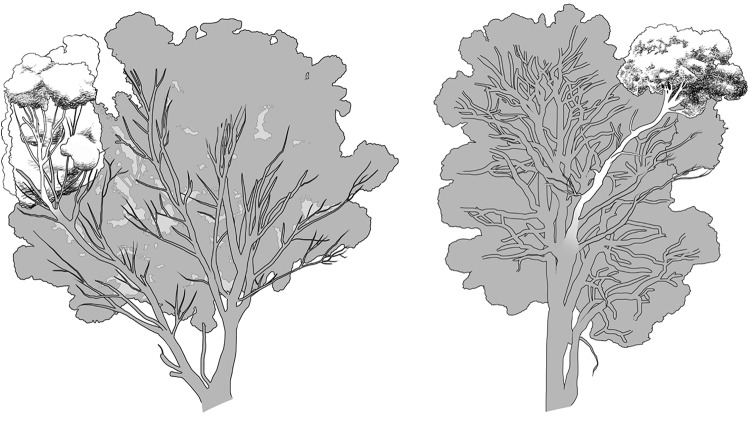
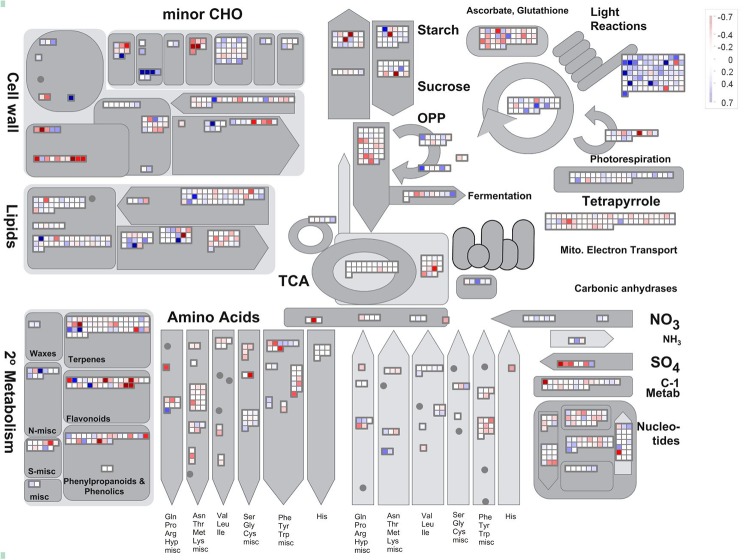
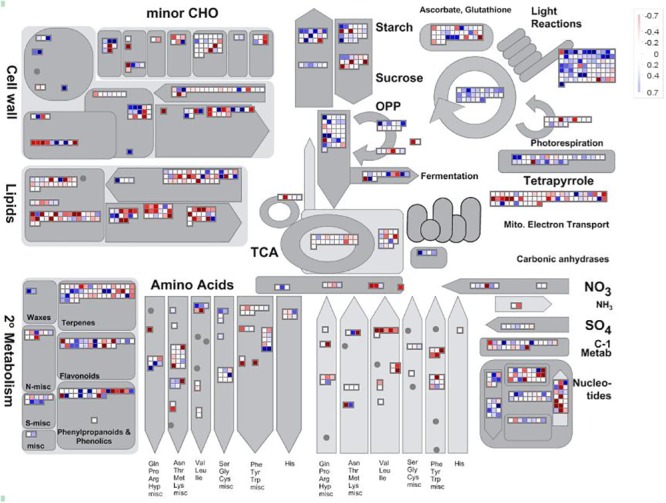
Phenotypic mosaic trees offer an ideal system for studying differential gene expression. We have investigated two mosaic eucalypt trees from two closely related species (Eucalyptus melliodora and E. sideroxylon), which each support two types of leaves: one part of the canopy is resistant to insect herbivory and the remaining leaves are susceptible. Driving this ecological distinction are differences in plant secondary metabolites. We used these phenotypic mosaics to investigate genome wide patterns of foliar gene expression with the aim of identifying patterns of differential gene expression and the somatic mutation(s) that lead to this phenotypic mosaicism. We sequenced the mRNA pool from leaves of the resistant and susceptible ecotypes from both mosaic eucalypts using the Illumina HiSeq 2000 platform. We found large differences in pathway regulation and gene expression between the ecotypes of each mosaic. The expression of the genes in the MVA and MEP pathways is reflected by variation in leaf chemistry, however this is not the case for the terpene synthases. Apart from the terpene biosynthetic pathway, there are several other metabolic pathways that are differentially regulated between the two ecotypes, suggesting there is much more phenotypic diversity than has been described. Despite the close relationship between the two species, they show large differences in the global patterns of gene and pathway regulation.
Conflict of interest statement
Figures
References
-
- Berkowitz FE. Antibiotic resistance in bacteria. South Med J. 1995; 88: 797–804. - PubMed
-
- Welin BV, Olson Å, Nylander M, Palva ET. Characterization and differential expression of dhn/lea/rab-like genes during cold acclimation and drought stress in Arabidopsis thaliana . Plant Mol Biol. 1994; 26: 131–144. - PubMed
-
- Lebenthal E, Antonowicz I, Shwachman H. Correlation of lactase activity, lactose tolerance and milk consumption in different age groups. Am J Clin Nutr. 1975; 28: 595–600. - PubMed
-
- Dong J, Chen C, Chen Z. Expression profiles of the Arabidopsis WRKY gene superfamily during plant defense response. Plant Mol Biol. 2003; 51: 21–37. - PubMed
Publication types
MeSH terms
LinkOut - more resources
Full Text Sources
Other Literature Sources
Molecular Biology Databases
