


Characterization and Cytotoxicity of PM<0.2, PM0.2-2.5 and PM2.5-10 around MSWI in Shanghai, China
- PMID: 25985309
- PMCID: PMC4454955
- DOI: 10.3390/ijerph120505076
Characterization and Cytotoxicity of PM<0.2, PM0.2-2.5 and PM2.5-10 around MSWI in Shanghai, China
Abstract
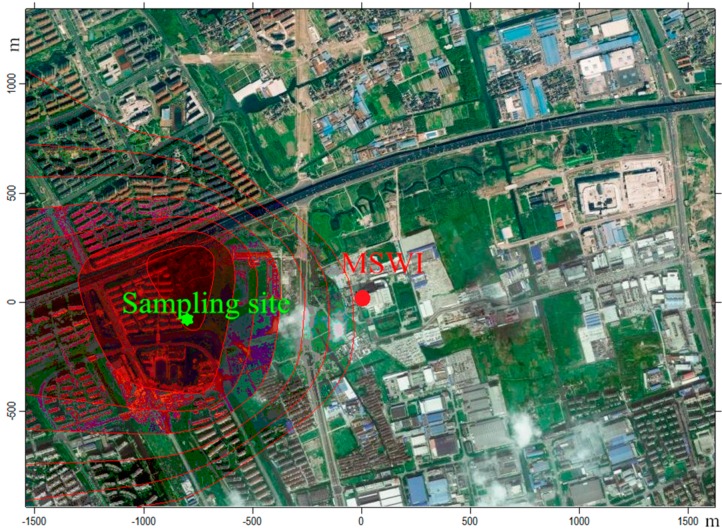
Background: The potential impact of municipal solid waste incineration (MSWI), which is an anthropogenic source of aerosol emissions, is of great public health concern. This study investigated the characterization and cytotoxic effects of ambient ultrafine particles (PM<0.2), fine particles (PM0.2-2.5) and coarse particles (PM2.5-10) collected around a municipal solid waste incineration (MSWI) plant in the Pudong district of Shanghai.
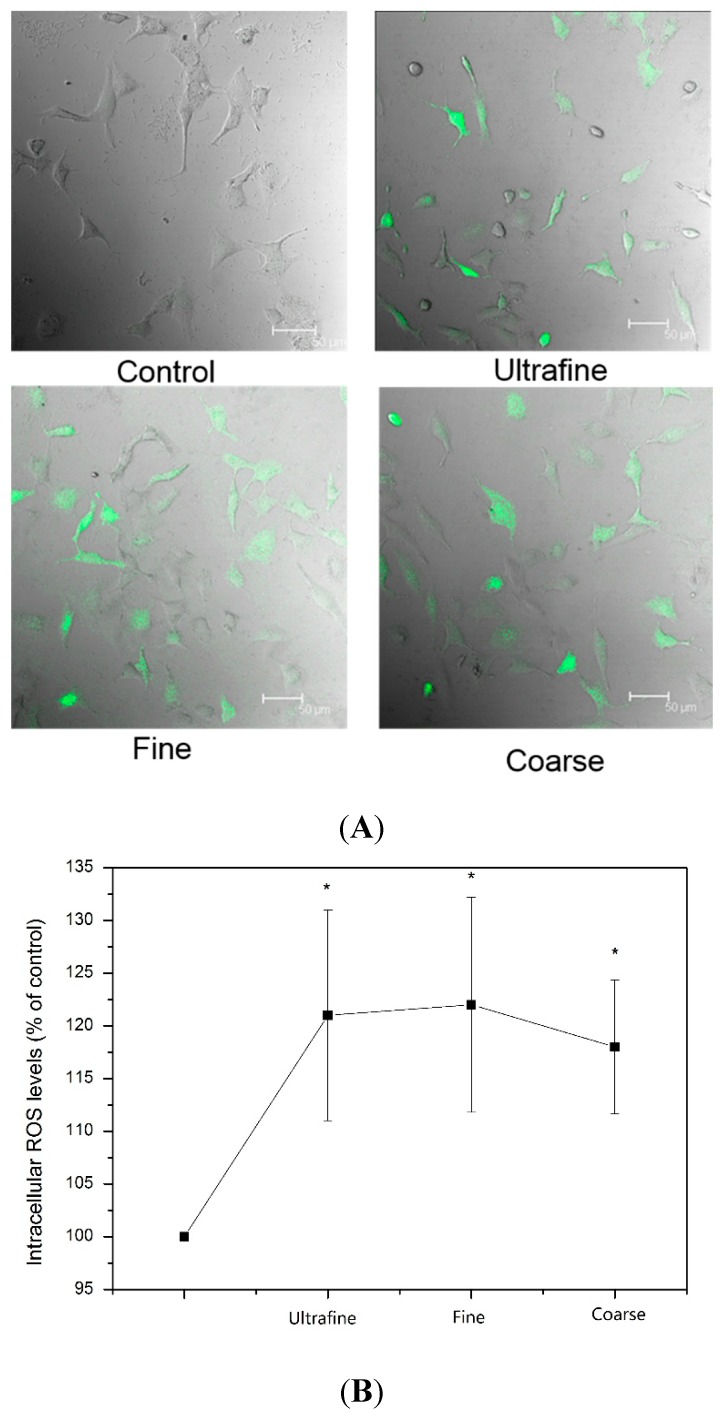
Methods: Mass concentrations of trace elements in particulate matter (PM) samples were determined using ICP-MS (Inductively Coupled Plasma Mass Spectrometry). The cytotoxicity of sampled atmospheric PM was evaluated by cell viability and reactive oxygen species (ROS) levels in A549 cells.
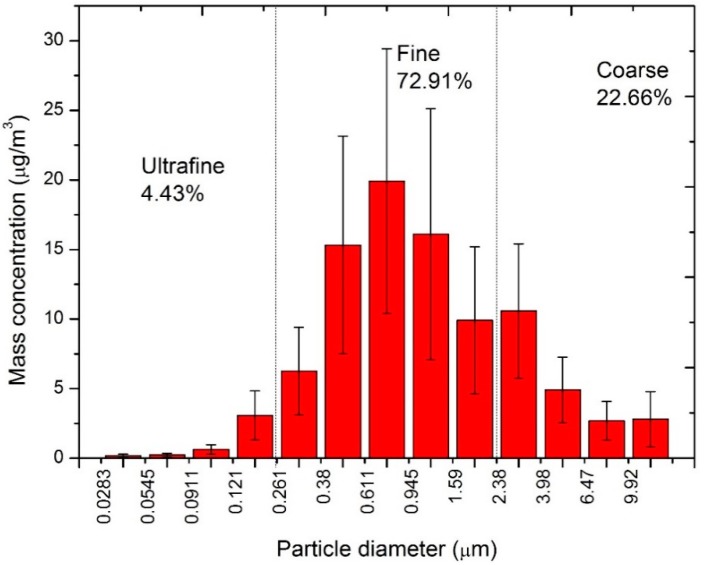
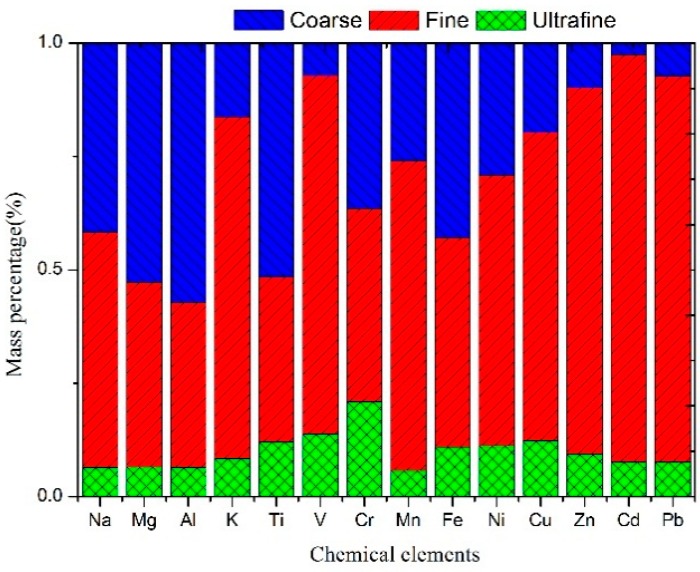
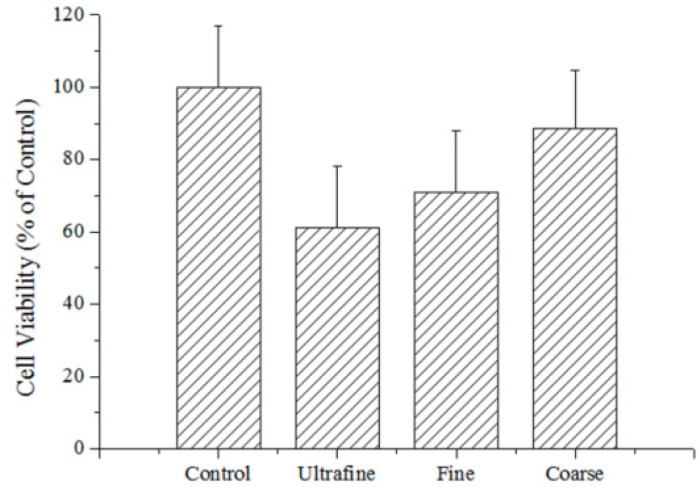
Result: The mass percentage of PM0.2-2.5 accounted for 72.91% of the total mass of PM. Crustal metals (Mg, Al, and Ti) were abundant in the coarse particles, while the anthropogenic elements (V, Ni, Cu, Zn, Cd, and Pb) were dominant in the fine particles. The enrichment factors of Zn, Cd and Pb in the fine and ultrafine particles were extremely high (>100). The cytotoxicity of the size-resolved particles was in the order of coarse particles < fine particles < ultrafine particles.
Conclusions: Fine particles dominated the MSWI ambient particles. Emissions from the MSWI could bring contamination of anthropogenic elements (Zn, Cd and Pb) into ambient environment. The PM around the MSWI plant displayed an additive toxic effect, and the ultrafine and fine particles possessed higher biological toxicity than the coarse particles.
Keywords: Fine particles; ROS generation; coarse particles; cytotoxicity; metallic elements; ultrafine particles.
Figures
References
-
- Tie X., Wu D., Brasseur G. Lung cancer mortality and exposure to atmospheric aerosol particles in Guangzhou, China. Atmos. Environ. 2009;43:2375–2377. doi: 10.1016/j.atmosenv.2009.01.036. - DOI
-
- Osornio-Vargas A.R., Bonner J.C., Alfaro-Moreno E., Martinez L., Garcia-Cuellar C., Rosales S.P.D., Miranda J., Rosas I. Proinflammatory and cytotoxic effects of Mexico City air pollution particulate matter in vitro are dependent on particle size and composition. Environ. Health Perspect. 2003;111:1289–1293. doi: 10.1289/ehp.5913. - DOI - PMC - PubMed
Publication types
MeSH terms
Substances
LinkOut - more resources
Full Text Sources
Other Literature Sources
