


Epidemiology of pediatric functional abdominal pain disorders: a meta-analysis
- PMID: 25992621
- PMCID: PMC4439136
- DOI: 10.1371/journal.pone.0126982
Epidemiology of pediatric functional abdominal pain disorders: a meta-analysis
Abstract
Objective: We aimed to review the literature regarding epidemiology of functional abdominal pain disorders in children and to assess its geographic, gender and age distribution including associated risk factors of developing functional abdominal pain.
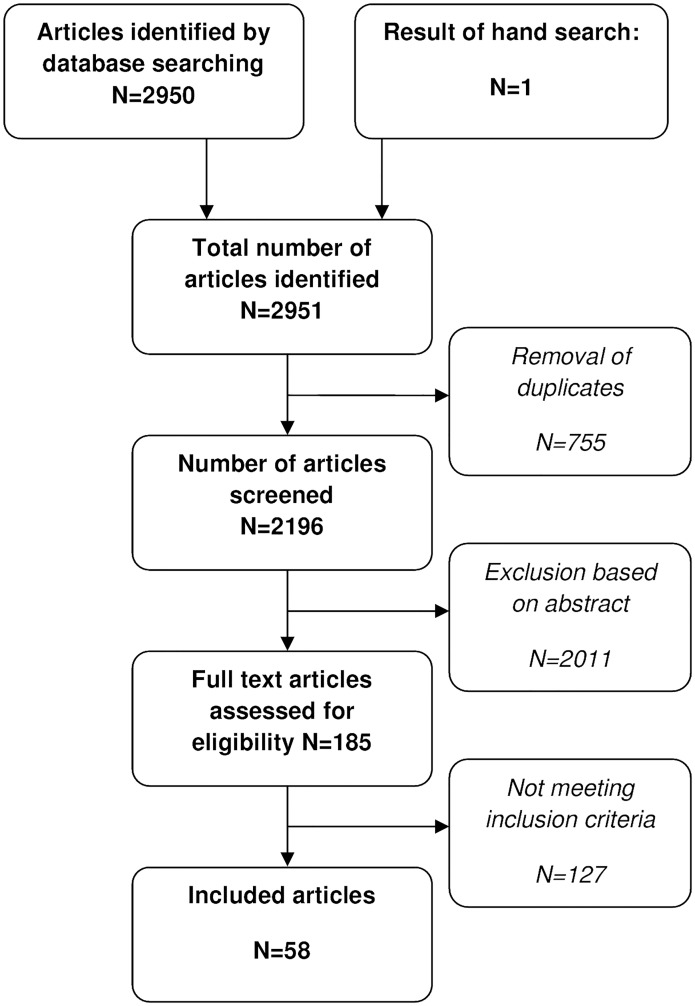
Methods: The Cochrane Library, MEDLINE, EMBASE, CINAHL and PsychInfo databases were systematically searched up to February 2014. Study selection criteria included: (1) studies of birth cohort, school based or general population samples (2) containing data concerning epidemiology, prevalence or incidence (3) of children aged 4-18 years (4) suffering from functional abdominal pain. Quality of studies was rated by a self-made assessment tool. A random-effect meta-analysis model was used to estimate the prevalence of functional abdominal pain in childhood.
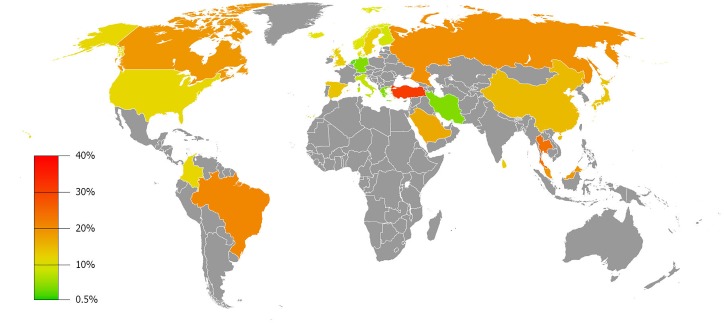
Results: A total of 58 articles, including 196,472 children were included. Worldwide pooled prevalence for functional abdominal pain disorders was 13.5% (95% CI 11.8-15.3), of which irritable bowel syndrome was reported most frequently (8.8%, 95% CI 6.2-11.9). The prevalence across studies ranged widely from 1.6% to 41.2%. Higher pooled prevalence rates were reported in South America (16.8%) and Asia (16.5%) compared to Europe (10.5%). And a higher pooled prevalence was reported when using the Rome III criteria (16.4%, 95% CI 13.5-19.4). Functional abdominal pain disorders are shown to occur significantly more in girls (15.9% vs. 11.5%, pooled OR 1.5) and is associated with the presence of anxiety and depressive disorders, stress and traumatic life events.
Conclusion: Functional abdominal pain disorders are a common problem worldwide with irritable bowel syndrome as most encountered abdominal pain-related functional gastrointestinal disorder. Female gender, psychological disorders, stress and traumatic life events affect prevalence.
Conflict of interest statement
Figures
References
-
- Chitkara DK, Rawat DJ, Talley NJ. The epidemiology of childhood recurrent abdominal pain in Western countries: a systematic review. Am J Gastroenterol. 2005. August;100(8):1868–75. - PubMed
Publication types
MeSH terms
LinkOut - more resources
Full Text Sources
Other Literature Sources
Medical
