. 2015 May 20:4:e07578.
doi: 10.7554/eLife.07578.

Thalamic theta phase alignment predicts human memory formation and anterior thalamic cross-frequency coupling

Affiliations

Thalamic theta phase alignment predicts human memory formation and anterior thalamic cross-frequency coupling

Catherine M Sweeney-Reed et al. Elife. .

Abstract

Previously we reported electrophysiological evidence for a role for the anterior thalamic nucleus (ATN) in human memory formation (Sweeney-Reed et al., 2014). Theta-gamma cross-frequency coupling (CFC) predicted successful memory formation, with the involvement of gamma oscillations suggesting memory-relevant local processing in the ATN. The importance of the theta frequency range in memory processing is well-established, and phase alignment of oscillations is considered to be necessary for synaptic plasticity. We hypothesized that theta phase alignment in the ATN would be necessary for memory encoding. Further analysis of the electrophysiological data reveal that phase alignment in the theta rhythm was greater during successful compared with unsuccessful encoding, and that this alignment was correlated with the CFC. These findings support an active processing role for the ATN during memory formation.

Keywords: cross-frequency coupling; encoding; human; iEEG; memory; neuroscience; phase alignment; thalamus.


Conflict of interest statement

The authors declare that no competing interests exist.

Figures
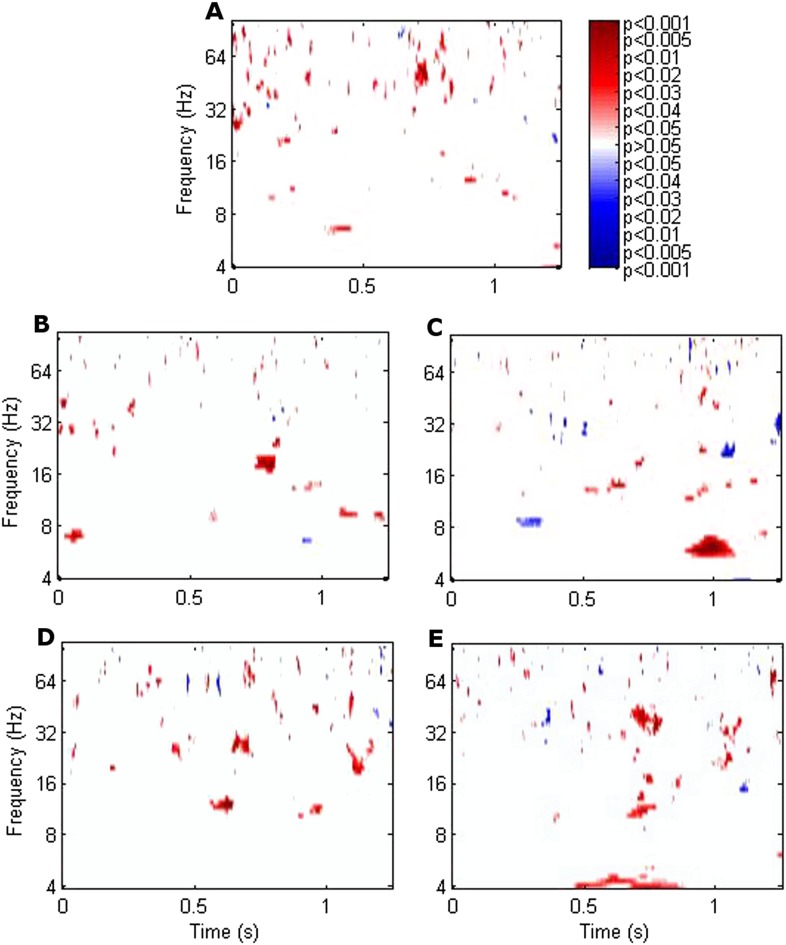
Figure 1.
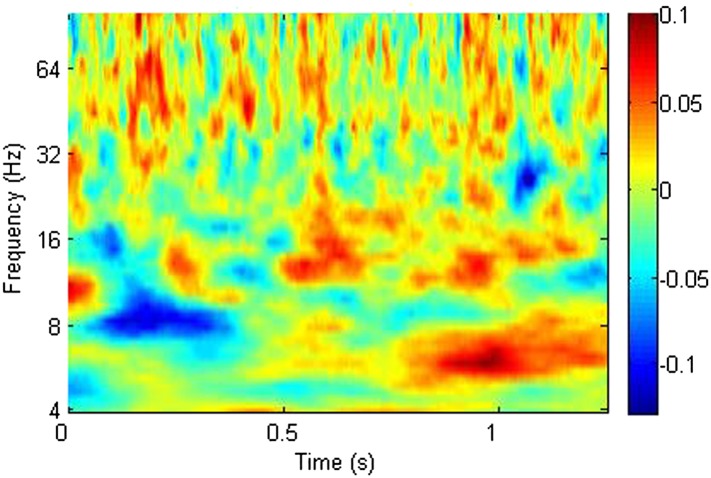
Figure 1.. Significance of the difference between poststimulus phase alignment during successful compared with unsuccessful encoding using T-tests.
(A) Frontal. (B) Left anterior thalamic nucleus (ATN). (C) Right ATN (RATN). At 0.9–1.1 s poststimulus, theta phase alignment was significantly greater during successful compared with unsuccessful encoding (T = 8.50, p = 0.00015). The difference was significant on cluster-size permutation testing (p = 0.048). (D) Left dorsomedial thalamic nucleus (DMTN). (E) Right DMTN. DOI: http://dx.doi.org/10.7554/eLife.07578.002
Figure 1—figure supplement 1.
Figure 1—figure supplement 1.. Group difference between phase alignment levels during successful vs unsuccessful encoding in the RATN.
DOI: http://dx.doi.org/10.7554/eLife.07578.003
Figure 1—figure supplement 2.
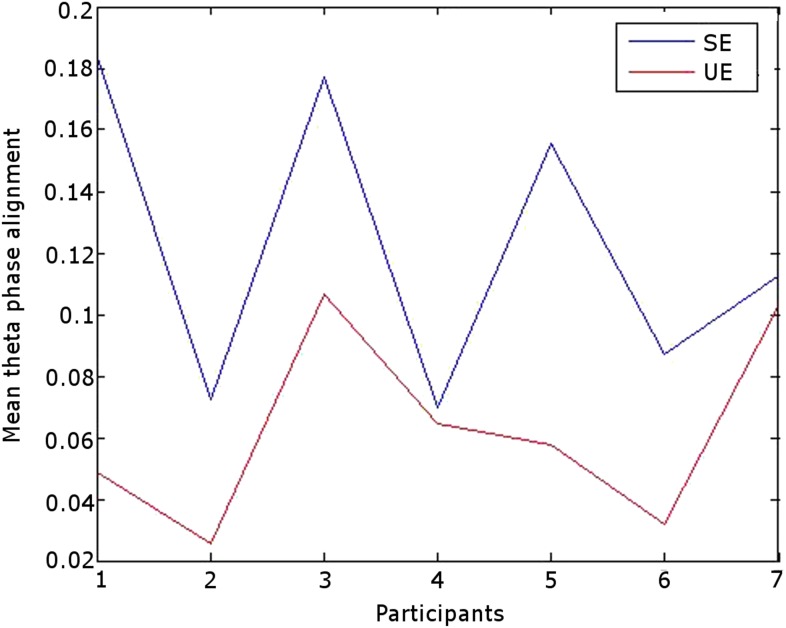
Figure 1—figure supplement 2.. Mean RATN theta phase alignment 1 s poststimulus was greater following successful than unsuccessful encoding in each individual participant.
DOI: http://dx.doi.org/10.7554/eLife.07578.004
Figure 2.
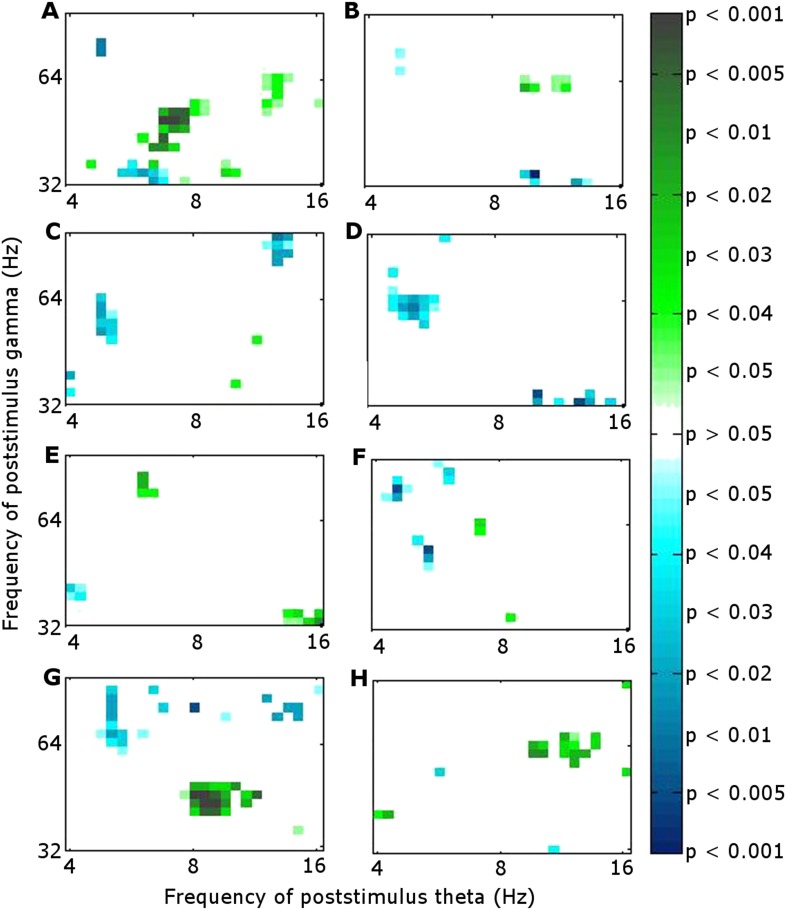
Figure 2.. Significance of correlation between theta (4–8 Hz) phase alignment and theta-gamma cross-frequency coupling (CFC) within the RATN.
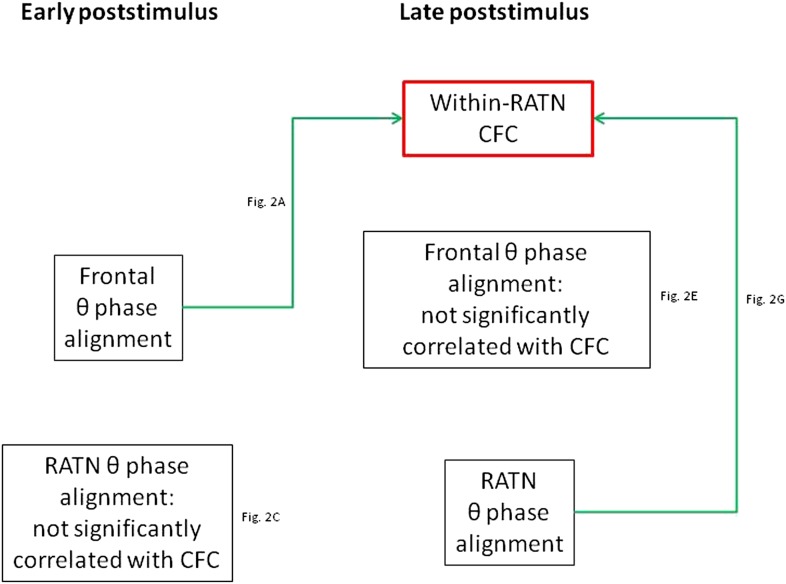
(A, B) Early poststimulus (0–0.5 s) frontal phase alignment: (A) Successful encoding (SE): significant correlation (r = 0.84, p = 0.019). (B) Unsuccessful encoding (UE): no significant correlation. (C, D) Early poststimulus RATN phase alignment: (C) SE: no significant correlation. (D) UE: no significant correlation. (E, F) Late poststimulus (0.9–1.1 s) frontal phase alignment: (E) SE: no significant correlation. (F) UE: no significant correlation. (G, H) Late poststimulus RATN phase alignment: (G) SE: significant correlation (r = 0.78, p = 0.039). (H) UE: no significant correlation. DOI: http://dx.doi.org/10.7554/eLife.07578.005
Figure 3.
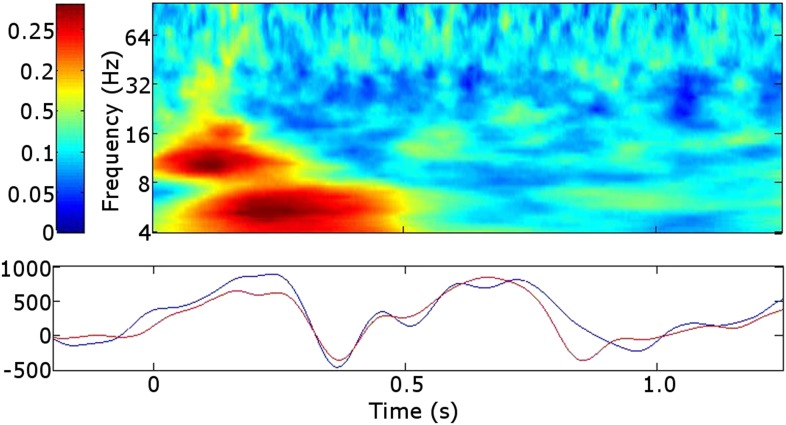
Figure 3.. Early poststimulus activity in the RATN.
Top: Broadband alpha/theta phase alignment early poststimulus during successful encoding (SE). A similar finding during unsuccessful encoding (UE) suggests that this is a task-related phenomenon not specific to successful memory formation. Bottom: Event-related potentials (ERPs). blue = during SE. red = during UE. DOI: http://dx.doi.org/10.7554/eLife.07578.006
Figure 3—figure supplement 1.
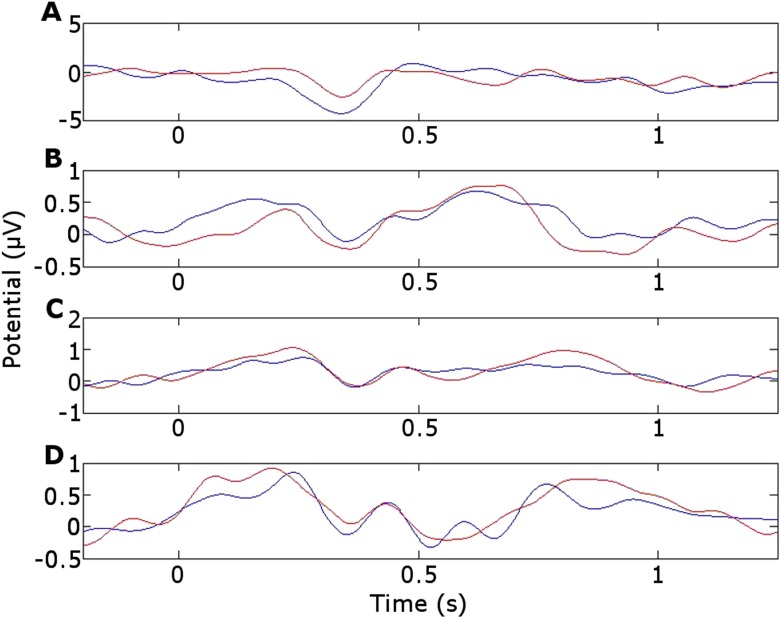
Figure 3—figure supplement 1.. Event-related potentials (ERPs).
(A) Frontal cortex. (B) Left ATN. (C) Left dorsomedial thalamic nucleus. (D) Right dorsomedial thalamic nucleus. blue = during successful encoding. red = during unsuccessful encoding. DOI: http://dx.doi.org/10.7554/eLife.07578.007
Figure 4.
Figure 4.. Summary of correlations between frontal and RATN theta (θ) phase alignment and within-RATN theta-gamma CFC.
Green: significant correlation. DOI: http://dx.doi.org/10.7554/eLife.07578.008

References

    1. Aggleton JP. Multiple anatomical systems embedded within the primate medial temporal lobe: implications for hippocampal function. Neuroscience and Biobehavioral Reviews. 2012;36:1579–1596. doi: 10.1016/j.neubiorev.2011.09.005. - DOI - PubMed
    1. Aggleton JP, O'Mara SM, Vann SD, Wright NF, Tsanov M, Erichsen JT. Hippocampal-anterior thalamic pathways for memory: uncovering a network of direct and indirect actions. The European Journal of Neuroscience. 2010;31:2292–2307. doi: 10.1111/j.1460-9568.2010.07251.x. - DOI - PMC - PubMed
    1. Axmacher N, Henseler MM, Jensen O, Weinreich I, Elger CE, Fell J. Cross-frequency coupling supports multi-item working memory in the human hippocampus. Proceedings of the National Academy of Sciences of USA. 2010;107:3228–3233. doi: 10.1073/pnas.0911531107. - DOI - PMC - PubMed
    1. Benjamini Y, Hochberg Y. Controlling the false discovery rate : a practical and powerful approach to multiple testing. Journal of the Royal Statistical Society: Series B. 2009;57:289–300.
    1. Buzsáki G. Theta rhythm of navigation: link between path integration and landmark navigation, episodic and semantic memory. Hippocampus. 2005;15:827–840. doi: 10.1002/hipo.20113. - DOI - PubMed